Before heading out on a cycling trip in Southern Ontario, make sure you’re well-prepared with essential travel packing tips. Many travelers overlook the variety of terrain available, from paved parkways to rugged gravel paths that wind through historic farmland. To create a memorable itinerary, you must first define your fitness level and the type of scenery that appeals to your sense of adventure. Whether you prefer the open skies of the countryside or the lush greenery of the Niagara Escarpment, the region offers distinct options. For those seeking a classic coastal experience, you should definitely look into how to bike the bruce for a truly immersive journey. This approach ensures you capture the best of what the province has to offer without overwhelming yourself with unnecessary distance.
Choosing the Right Terrain for Your Skill Level
Before you book a single hotel, you need to assess your physical readiness and determine which type of surface suits your riding style. Gravel riding has exploded in popularity across the province, offering a softer landing and a more engaging experience on uneven ground. However, if you are new to long-distance cycling, sticking to paved paths like the Bruce Trail sections or dedicated bike lanes might be safer. Gravel routes often require better bike maintenance and a higher tolerance for vibration, which can affect your comfort over several days. Consider your bike setup carefully, as wider tires provide stability but increase rolling resistance on hard surfaces.
Another critical factor is the elevation profile of your chosen path. Southern Ontario features rolling hills that can feel gentle until you hit a sustained climb, which tests your endurance more than flat terrain does. If you are planning a relaxed vacation, avoid routes with significant cumulative elevation gains unless you are an experienced climber. You can use mapping software to analyze the gradient of specific segments before you commit to a plan. This preparation helps you pace yourself correctly and prevents burnout on the second or third day of your trip. Understanding the terrain is the first step toward a successful and enjoyable cycling holiday.
The Coastal Route: A Classic for Scenic Views
For many travelers, the coast offers the most iconic imagery of Ontario, featuring white sand beaches and calm waters. This route is particularly appealing for those who want a mix of cultural stops and natural beauty along the way. The infrastructure here is generally well-developed, with plenty of cafes and small towns where you can rest and recharge. You will pass through charming villages that have maintained their historic character despite the influx of tourists. Stopping for a fresh seafood lunch provides a perfect break from the saddle and adds to the overall sensory experience of the trip.
The coastal path also offers excellent opportunities for photography, especially during the golden hour when the light reflects off the water. You should plan your daily distances to allow for these stops, as rushing through the area defeats the purpose of a leisurely vacation. The scenery changes dramatically as you move from the northern reaches to the southern ports, providing a sense of progression. Many cyclists report that the coastal route feels less isolated than inland paths, which is a plus for those who enjoy a bit of human interaction. It is a popular choice for a reason, and it delivers on its promise of scenic pleasure.
If you decide to take this route, be aware that summer weekends can be quite crowded, especially near popular beach towns. You may need to arrive at your accommodation earlier than usual to secure a parking spot for your bike and gear. The extra noise and traffic are minor inconveniences compared to the beauty of the coastline. You can mitigate this by starting your ride early in the morning, when the roads are quiet and the air is cool. This strategy allows you to make the most of the best views without dealing with peak-hour congestion.
Inland Escarpment Paths: Wilderness and Waterfalls
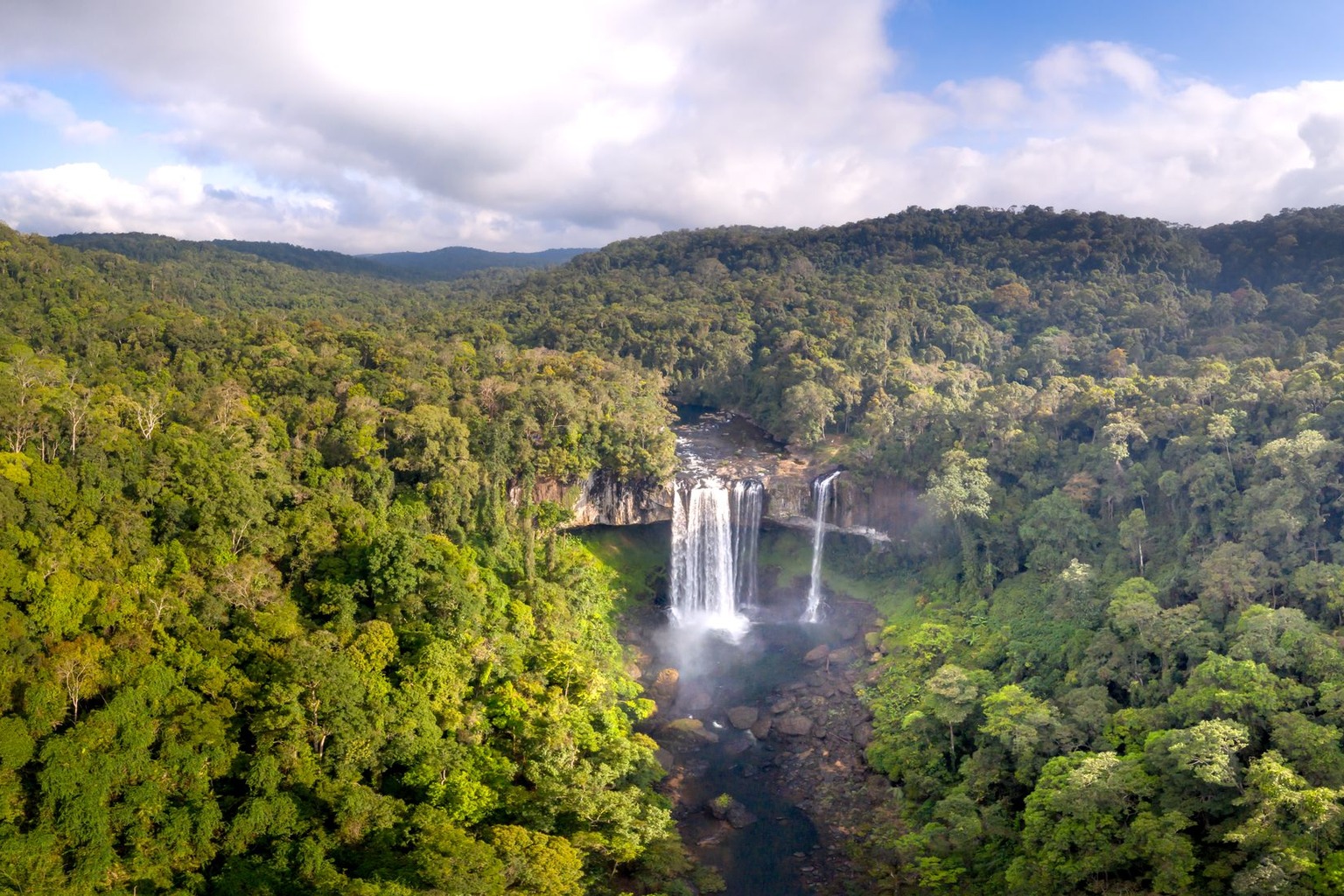
Moving inland, the Niagara Escarpment offers a starkly different environment characterized by limestone cliffs and deep valleys. This region is home to some of the province’s most dramatic waterfalls, which provide a cooling relief on hot summer days. The trails here are often narrower and more winding, requiring greater concentration and balance from the rider. You will encounter sections of forested paths that offer shade and protection from the sun, making them ideal for midday riding. The air quality is noticeably cleaner here, which enhances the overall feeling of escape from urban life.
On the Tia and Andy channel, they cover the best cycling routes in Southern Ontario, and you can watch it right here.
Accommodations along the escarpment tend to be more rustic, focusing on nature-based tourism rather than luxury amenities. You might find yourself staying in a cabin or a bed and breakfast that emphasizes local produce and farm-to-table dining. This setting encourages a slower pace of travel, allowing you to truly connect with the landscape. The quietude of these areas is a major draw for cyclists who seek solitude and mental clarity. You should be prepared for occasional wildlife sightings, which add an element of surprise to your daily routine.
One of the unique aspects of this route is the variety of surface types you will encounter within short distances. You may transition from paved roads to gravel logging trails and back again, which keeps the ride dynamic and interesting. This variety also means you need to be more versatile with your gear, ensuring your bike can handle multiple conditions. The physical challenge is higher here, but the reward is a deeper appreciation of the natural environment. Many experienced cyclists consider this area the heart of Ontario’s scenic cycling potential.
Logistics of Staying Overnight on the Road
Securing a place to stay is often the most complex part of planning a multi-day tour, as you need to balance cost, location, and availability. It is wise to book at least two to three weeks in advance for popular summer months, especially if you are traveling during a long weekend. Look for accommodations that offer secure bike storage, as leaving your equipment unattended is a significant risk. Many hotels and inns in rural areas are accustomed to cyclists and can provide advice on local spots and safe parking options. Building a relationship with your host can also lead to unexpected perks, like a late checkout or a meal discount.
Consider the distance between your accommodation and the start of your next day’s ride. You want to minimize your transfer time, so choose places that are close to the trailhead or a major access point. This saves energy and time, allowing you to maximize your riding hours. Some travelers prefer to stay in a single location for multiple days, using it as a base to explore different routes. This approach works well if you have limited gear and do not want to pack and unpack every night. It also reduces the stress of navigating new towns repeatedly.
Another option is to look for campgrounds that allow tents, which can be a more affordable and immersive experience. However, this requires more preparation, including packing a reliable tent, sleeping bag, and cooking gear. You must also consider the weather forecast, as overnight camping in a humid climate can be challenging if it rains. Check the facility’s amenities, such as hot showers and clean toilets, to ensure your comfort level is met. Weighing the convenience of a hotel against the authenticity of camping is a personal choice that depends on your priorities.
Packing Essentials for a Self-Supported Journey
Your gear list should be stripped down to the essentials to avoid carrying unnecessary weight on your back or bike. A repair kit is non-negotiable, including a pump, tire levers, spare tubes, and a multi-tool for basic adjustments. You should also carry a small first aid kit, including blister plasters and antiseptic wipes, to handle minor injuries on the go. Hydration is critical, so bring at least two water bottles and a way to refill them, such as a filter or a plan to visit cafes. The goal is to be self-sufficient while remaining light enough to enjoy the ride.
Clothing choices should be layered to accommodate changing weather conditions, which can be unpredictable in Southern Ontario. A lightweight rain shell is essential, even if the forecast looks clear, as sudden showers are common in the summer months. You should also pack a change of clothes for the evening, as you may want to look presentable when dining out. Avoid wearing new items that could cause chafing, and make sure your shoes are broken in before you depart. Comfort is the key to maintaining a positive attitude throughout the multi-day challenge.
Do not forget your electronic devices and their chargers, as you will likely need your phone for navigation and photography. A portable power bank is a wise investment to ensure you never run out of battery in a remote area. You should also bring a small lock for your bike, just in case you need to step away from your vehicle or accommodation for a short time. Keeping your gear organized in a dry bag will protect it from rain and mud. A well-prepared cyclist is a confident cyclist, and your preparation will show in your enjoyment of the trip.
Timing Your Trip for the Best Experience
The timing of your trip can make or break your experience, as Southern Ontario has distinct seasons that affect visibility and comfort. Late May through September is generally the best time, but early September offers the most favorable conditions with warmer days and cooler nights. You should avoid the peak of July if you are sensitive to humidity, as the heat can be oppressive and physically draining. Spring can be muddy, which is difficult for both gravel and road bikes, so it may not be the ideal time for a scenic tour. Autumn brings stunning foliage, but the days are shorter, which limits your riding hours.

Weather patterns in this region can change rapidly, so you must stay flexible and monitor forecasts daily. A sunny morning can turn into a thunderstorm by the afternoon, which requires you to have a backup plan. Consider building buffer days into your itinerary to account for weather delays or unexpected fatigue. This flexibility allows you to enjoy the trip without feeling pressured to stick to a rigid schedule. The best trips are often those that adapt to the conditions rather than fighting against them.
Local events and festivals can also impact your experience, so check the calendar for major holidays or community gatherings. These events can add to the fun, but they can also cause traffic and accommodation shortages. You may find that visiting a town during a festival provides a unique cultural experience, but you must plan ahead to secure lodging. Balancing the desire for quiet solitude with the excitement of local events is a personal preference. Ultimately, the timing should align with your personal goals for relaxation and adventure.
Matching the Route to Your Travel Style
Finally, you must align your chosen route with your specific travel preferences and fitness goals. If you are a seasoned cyclist looking for a challenge, the escarpment routes with their technical sections and elevation gains will satisfy your need for adventure. For those who prefer a relaxed pace with frequent cultural stops, the coastal route offers a more structured and accessible experience. You should be honest with yourself about your limits and choose a path that allows you to enjoy the scenery without struggling. The goal is to create a trip that feels rewarding, not punishing.
Consider the social aspect of your trip as well, as some routes are better suited for solo riders while others are popular with groups. Solo riders may prefer the quieter inland paths, where they can set their own pace and stop whenever they wish. Group riders might enjoy the coastal route, where there are more opportunities to socialize with other cyclists and locals. You should also think about your photography style, as certain routes offer better vantage points for capturing specific types of landscapes. Your personal style should dictate the final decision on which path to take.
Remember that the best trip is the one that you are most excited about, so choose the option that sparks your imagination. Whether you are drawn to the rugged beauty of the escarpment or the open vistas of the coast, there is a perfect route waiting for you. Take the time to research, plan, and pack, and you will be well on your way to an unforgettable cycling holiday. The memories you create on the road will last long after you have returned home. Enjoy the process of planning as much as you enjoy the ride itself.

I have spent years uncovering the hidden gems and scenic routes across Southern Ontario, from the vineyards of Niagara to the rugged trails of the Bruce Peninsula. My weekends are dedicated to road trips and finding the perfect local diner or cabin stay. I love sharing the diverse beauty and relaxation opportunities found right here in the region.