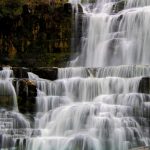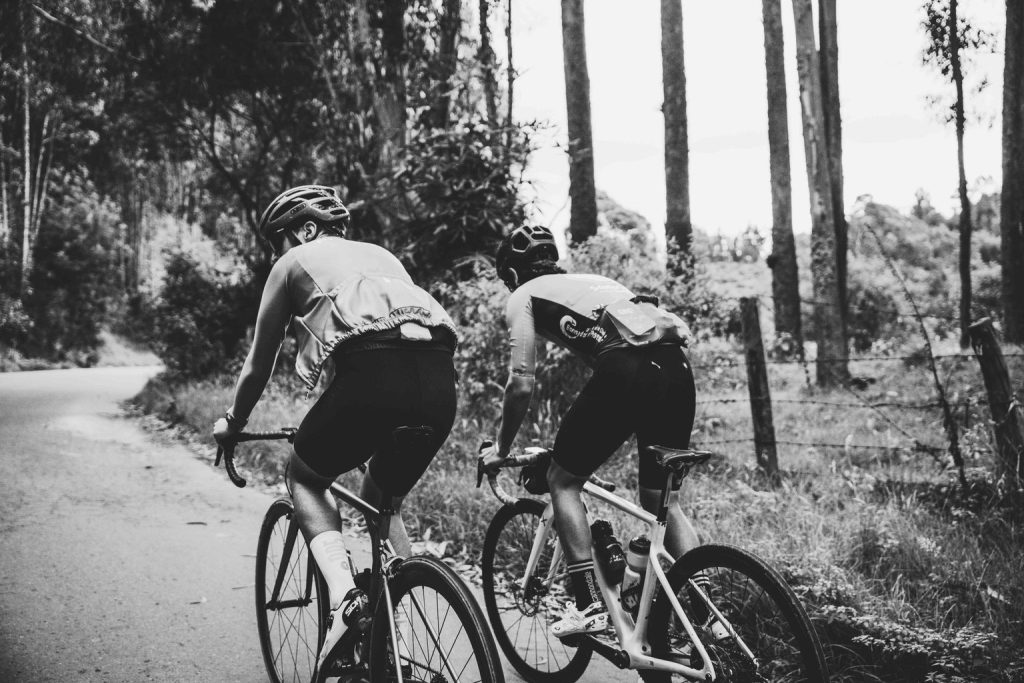
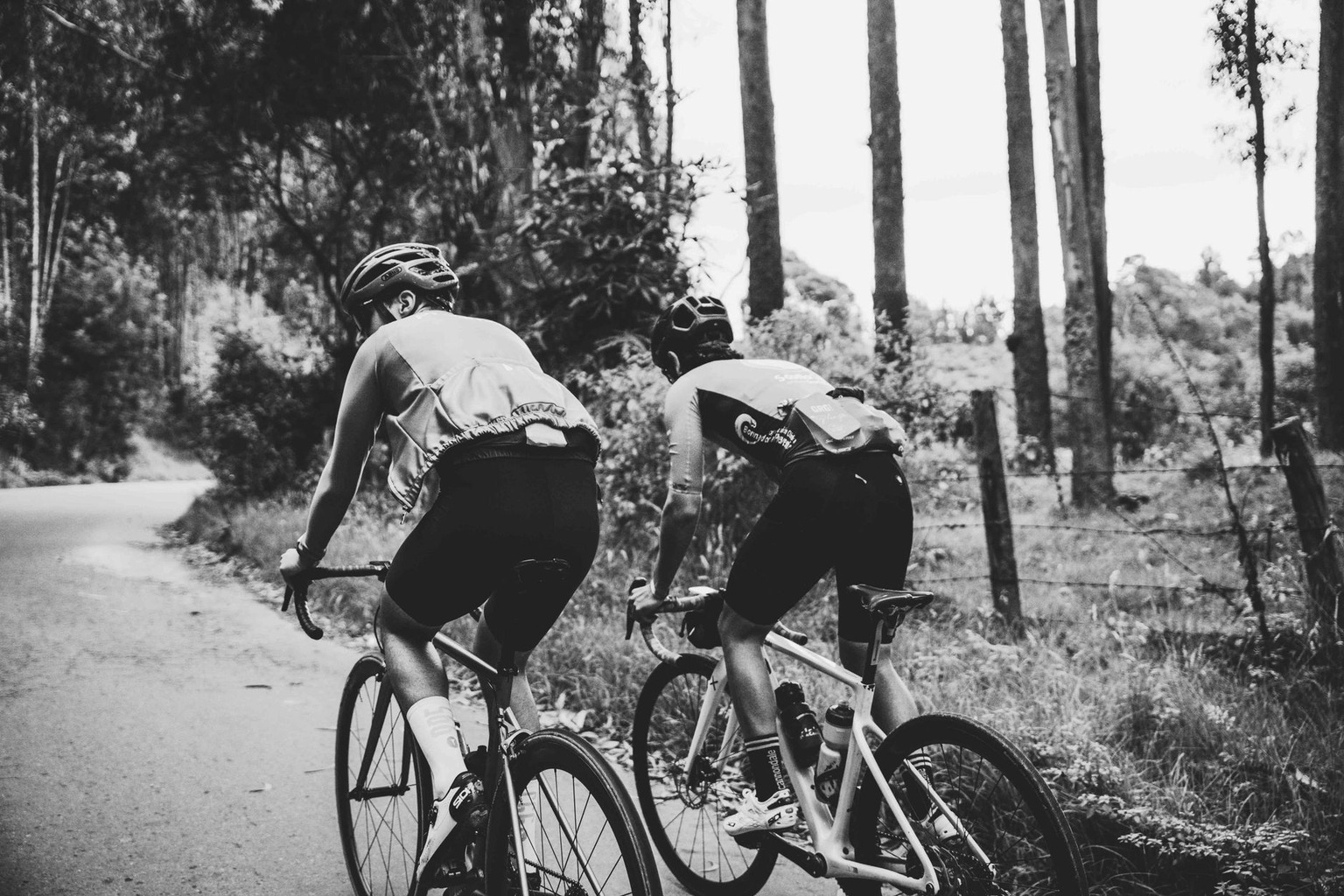
The Bruce Trail stretches over 900 kilometers through Southern Ontario, weaving its way through forests, farmland, and coastal cliffs, making it one of the most rewarding destinations for multi-day bike tours in the region. Whether you’re seeking a rugged adventure or a leisurely exploration of Ontario’s natural beauty, planning a Bruce Trail bike tour requires careful consideration of terrain, lodging, and logistical support. With the right preparation, you can transform this iconic trail into an unforgettable cycling experience that highlights the charm of Southern Ontario’s small towns, national parks, and hidden gems.
Understand the Bruce Trail’s Varied Terrain and Distances
The Bruce Trail isn’t a single, uniform path but a network of interconnected routes that span diverse landscapes, from the rugged limestone cliffs near Bruce Peninsula to the rolling farmland near Elora, Bruce Trail bike tour planning. For multi-day bike tours, the most popular segments include the Bruce Peninsula section, which offers coastal views and challenging climbs, and the Niagara Escarpment stretches near Hamilton and Niagara Falls, known for its gentle rolling hills and scenic overlooks. A typical multi-day route might cover 50 to 100 kilometers per day, depending on your fitness level and the terrain. The escarpment’s elevation changes can be demanding, so beginners should start with shorter segments like the Elora Gorge section, while experienced cyclists might tackle the more remote sections near Tobermory, where the trail hugs the shores of Georgian Bay. Always check the Bruce Trail Conservancy’s official maps for real-time trail conditions, as some sections may close due to weather or maintenance.
Choose Your Base: Camping, Lodges, or Small-Town Stays
Logistics are everything when planning a multi-day bike tour along the Bruce Trail, and accommodation choices can make or break your experience. Camping is the most immersive option, with sites like the Bruce Trail Conservancy’s designated camps near Elora or the rugged shores of Fathom Five National Park offering direct trail access. However, camping requires permits, proper gear, and a tolerance for shared facilities, something not all travelers prefer. For a more comfortable stay, consider lodges like the Elora Hotel or the Bruce Trail Inn, both of which cater to cyclists with bike storage, repair services, and hearty meals. Alternatively, small towns like Creemore or Collingwood provide charming B&Bs and inns, often with bike-friendly amenities like secure parking and nearby trailheads. If you’re cycling near Niagara Falls, the town itself offers a mix of budget motels and boutique stays, though you’ll need to plan shuttle services for your bike if staying outside the immediate trail corridor.
Pack Light but Smart: Essential Gear for a Multi-Day Tour
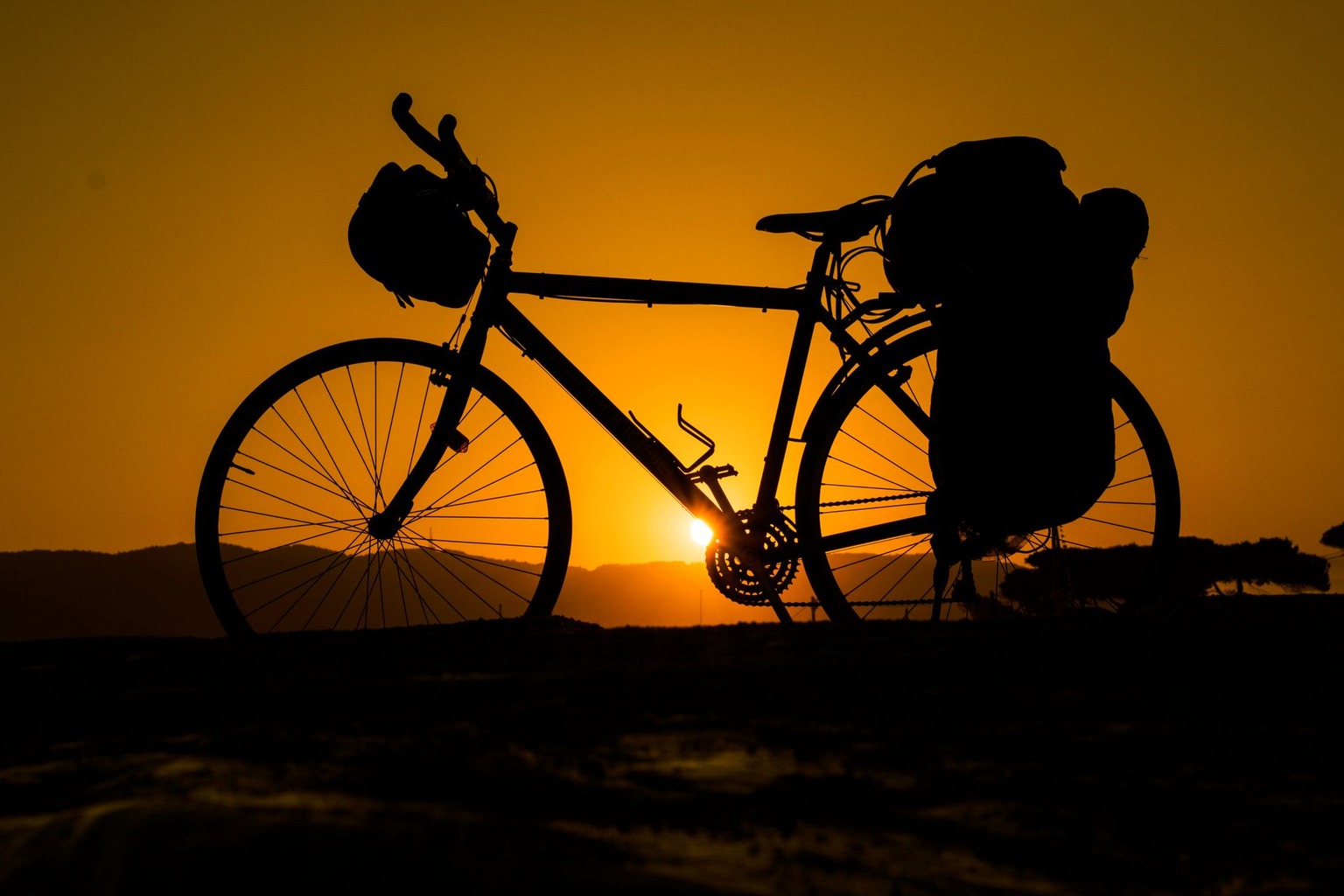
When you’re covering 100-plus kilometers over several days, your bike packout becomes a critical part of the experience. A lightweight, well-organized setup is key, think of a 20- to 30-liter frame bag or handlebar rolls for essentials like spare tubes, a multi-tool, and a small repair kit. Hydration is non-negotiable on the Bruce Trail, especially in summer, so a hydration bladder or water bottles with mounts are a must. Clothing should layer for Ontario’s unpredictable weather: a moisture-wicking base layer, a windproof jacket, and quick-dry pants will keep you comfortable whether you’re riding through a sudden rainstorm or climbing the escarpment’s sunlit slopes. Don’t forget a helmet with a visor for sun protection and a sturdy pair of gloves, your hands will thank you after hours of gripping the bars. For overnight stays, a compact sleeping bag, a lightweight camp chair, and a portable stove for campfire dinners (if camping) will elevate your comfort without adding bulk.
For a great visual guide to the stunning cycling routes along the Bruce Trail, you can watch this video by BeyondthehorizoN right here.
Plan for Fuel Stops: Where to Eat Along the Trail
The Bruce Trail’s remote sections mean you’ll need to strategically plan your meals to avoid long detours off the path. In popular areas like Elora or Niagara-on-the-Lake, you’ll find cafés and bistros within minutes of the trail, offering everything from fresh-baked pastries to hearty sandwiches. For a quick bite, the Elora Gorge Conservation Area has a small café, while the town of Creemore is famous for its microbreweries and pubs, perfect for a post-ride beer and a hearty meal. If you’re cycling through more rural stretches, like the section near Bruce Peninsula, you’ll want to pack energy bars, nuts, and jerky for long stretches between towns. Some trailheads also have picnic tables and nearby farms that sell fresh produce or homemade treats. Always carry a refillable water bottle, as many towns along the trail have public water fountains, though filtration is recommended if the source isn’t guaranteed clean.
Navigate with Technology: Apps and Maps to Stay on Track
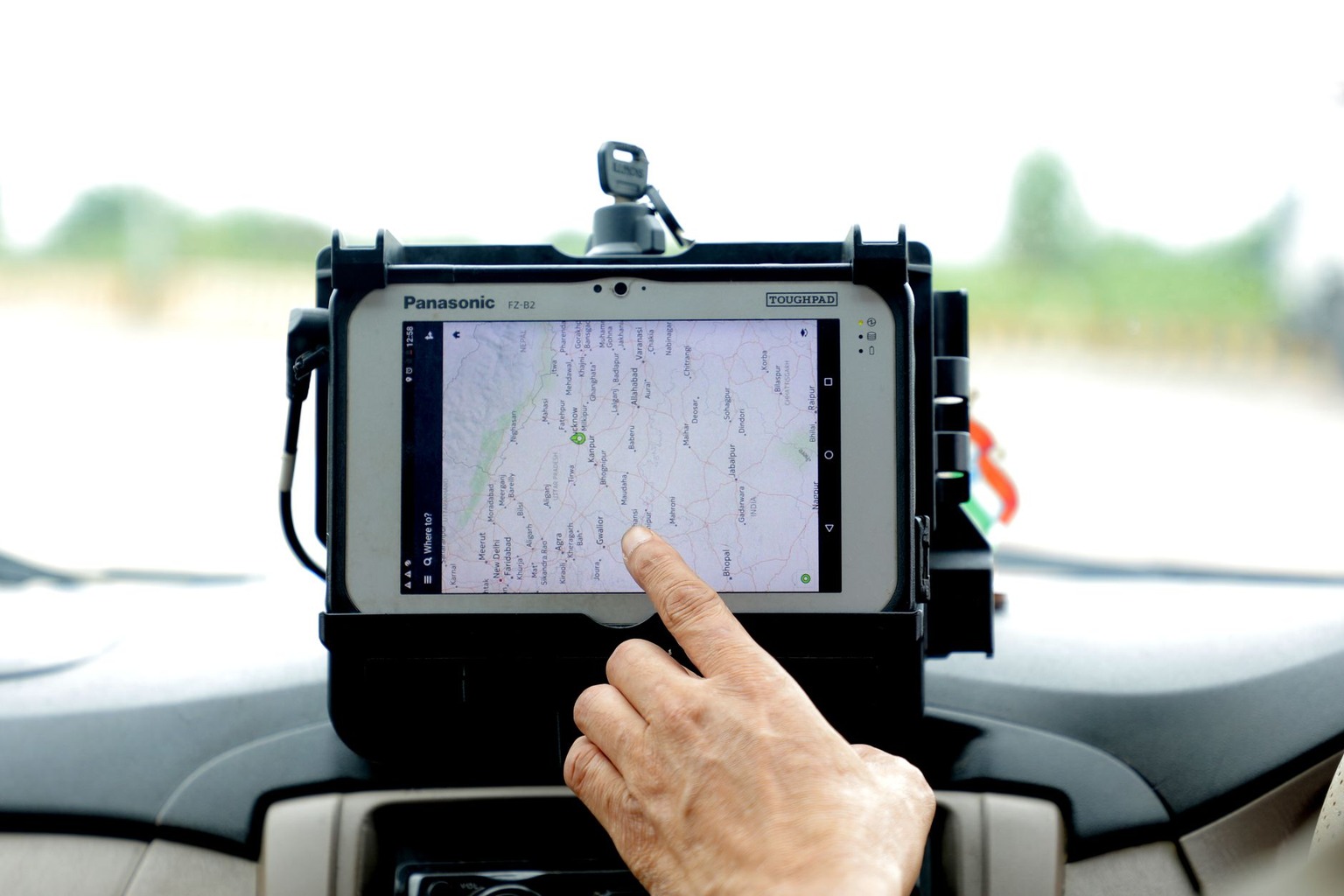
While the Bruce Trail is well-marked, relying solely on paper maps can lead to confusion, especially in dense forests or near trail junctions. Apps like Komoot or Gaia GPS offer detailed trail maps with elevation profiles, making it easier to plan your daily routes and avoid unexpected climbs. The Bruce Trail Conservancy’s official app also provides real-time updates on trail closures and maintenance work, which is invaluable for avoiding detours. For navigation on the go, a GPS device or smartphone with offline maps is a must, cell service can be spotty in remote areas like the Bruce Peninsula. Pro tip: download high-resolution satellite imagery of your route beforehand so you can cross-reference landmarks if you lose your bearings. And don’t forget to charge your devices at each stop, as many trailhead parking lots have outlets or nearby cafés with power outlets.
Consider Guided Tours for First-Timers or Specialized Experiences
If you’re new to multi-day bike tours or want to explore the Bruce Trail with expert guidance, several local operators offer curated experiences tailored to different skill levels. Companies like Ontario Cycle Tours provide guided rides along the Niagara Escarpment, including stops at historic sites and scenic overlooks, while smaller outfits in Collingwood offer kayak-and-bike combos for adventurous travelers. These tours often include gear rentals, bike maintenance support, and packed lunches, making them ideal for those who want a hassle-free introduction to the trail. For a more off-the-beaten-path experience, consider a self-guided tour with a pre-planned itinerary from a service like Bike Ontario, which offers detailed route maps and lodging recommendations. Whether you choose a guided tour or a DIY approach, these options ensure you’re not just following a trail but experiencing the best of Southern Ontario’s cycling destinations.

I have spent years uncovering the hidden gems and scenic routes across Southern Ontario, from the vineyards of Niagara to the rugged trails of the Bruce Peninsula. My weekends are dedicated to road trips and finding the perfect local diner or cabin stay. I love sharing the diverse beauty and relaxation opportunities found right here in the region.