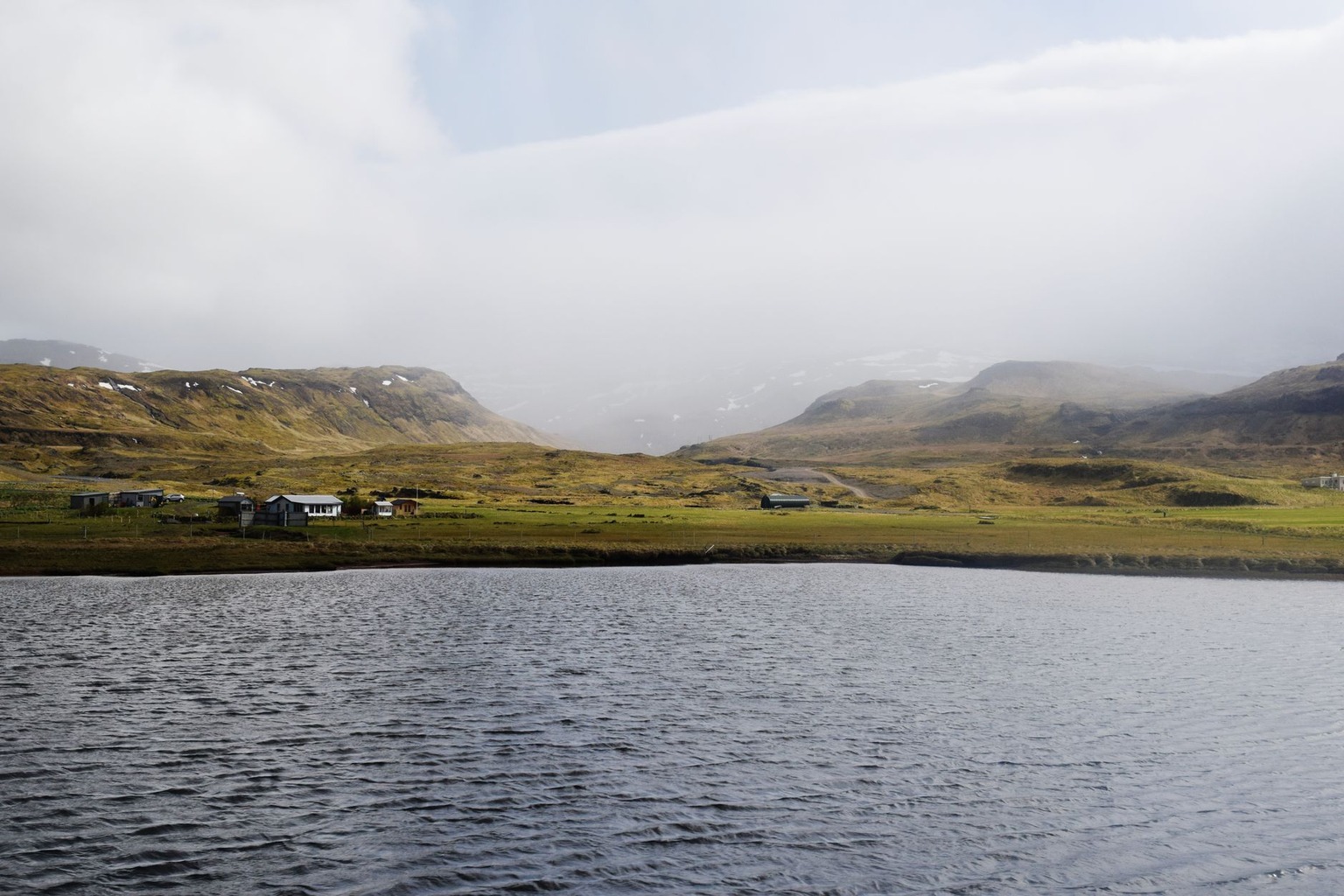
Choosing the right lakeside location in Southern Ontario changes a standard afternoon outing into a memorable visual experience, but most travelers focus only on the water and ignore how terrain, lighting, and access shape the actual view. You need to consider the specific angle of the shoreline and the time of day you plan to arrive, since the best photo spots often require walking a short distance from the main parking area to find clear sightlines over the water. The region offers hundreds of options, yet only a select few combine calm waters, unobstructed horizons, and practical amenities that make a relaxed meal feasible without feeling rushed or crowded. Understanding these variables helps you skip the generic beaches and find places where the landscape itself becomes part of your dining experience. This guide breaks down the critical factors that separate a decent picnic from an exceptional one, focusing on real-world conditions rather than just pretty postcards.
Elevation and Shoreline Angle Determine Visibility
The most common mistake visitors make is assuming that any flat grassy area next to the water offers a good view. In reality, the angle at which the land meets the lake dictates how much of the horizon you can actually see. Spots with gentle slopes or raised bluffs provide a superior vantage point because they allow your line of sight to extend far across the water without being blocked by nearby trees or rocky outcroppings. If you are standing on flat ground surrounded by tall vegetation, your view is limited to a few meters ahead, which ruins the sense of openness that defines a great lakeside setting. Look for locations where the shoreline drops away naturally or where there is a small rise in the terrain that lifts you above the immediate tree line.
Elevation also affects how the light hits the water surface, creating those dramatic reflections that make photos look professional even when taken on a basic smartphone. A slightly elevated position allows the sun to bounce off the water directly into your face or camera lens, especially during the late afternoon hours when the angle is low. This natural lighting enhancement turns a simple picnic blanket into a staged scene without any artificial setup required. You should scout these angles before you pack your food, as finding the perfect elevation spot often takes more effort than just pulling over at the first available patch of grass.
Some of the best spots in the region feature small cliffs or rocky ledges that are stable enough to sit on but high enough to give you a commanding view of the lake below. These geological features create natural amphitheaters where the sound of waves is amplified and the visual depth of the water is emphasized. However, you must be careful about stability and potential erosion, as some rocky areas can become slippery or unstable after rain. Choosing a spot with firm footing ensures your comfort does not come at the cost of safety or convenience for your entire group.
Lighting Windows Create Dramatic Visuals
Time of day is not just about when you are hungry; it is the single biggest factor in how visually appealing a lakeside picnic will be. The golden hour, which occurs roughly one hour after sunrise and one hour before sunset, casts a warm, soft light that flatters both people and landscapes. Arriving thirty minutes before this window opens gives you time to set up your spread while the light is still neutral, allowing you to capture the transition into the warm tones as the sun lowers. If you arrive too early, the harsh midday sun creates unflattering shadows and washed-out colors that make any photo look flat and lifeless.
The position of the sun relative to the water surface determines whether you get a direct glare or a beautiful backlight effect. For the best results, position yourself so that the sun is behind you when facing the water, which illuminates your faces while keeping the lake in shadow for a moody, atmospheric look. Alternatively, if you want the water to sparkle, face away from the sun so the light reflects off the ripples directly toward your eyes or camera. This strategic positioning takes only a minute to figure out but makes a significant difference in the overall quality of your experience and any images you take.
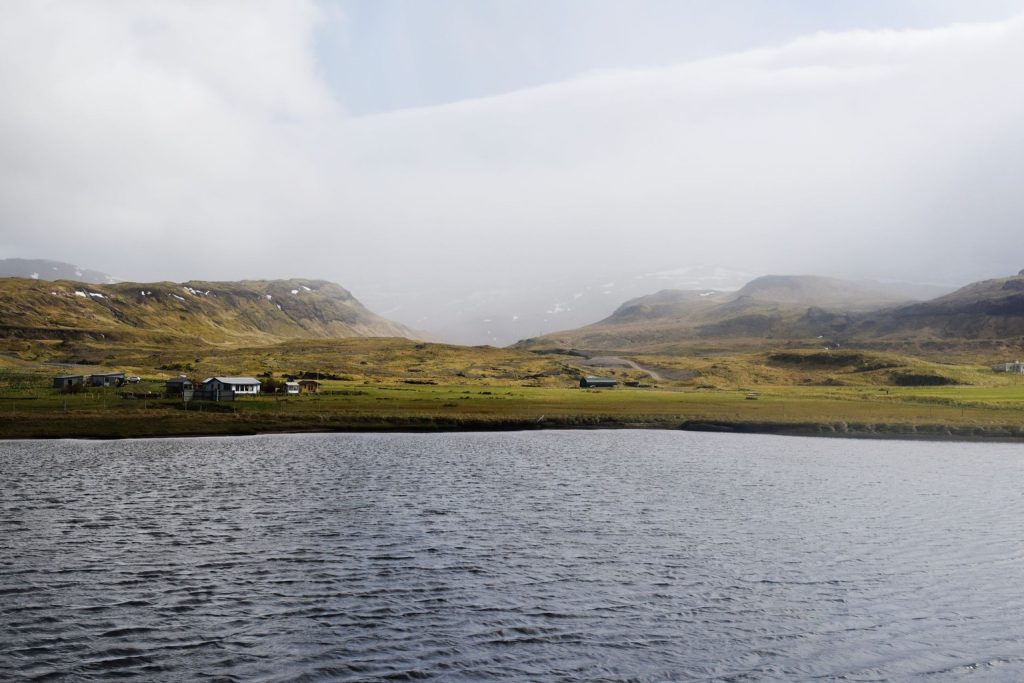
Overcast days are often dismissed by travelers, but they actually provide the most consistent lighting for photography without harsh contrasts. The cloud cover acts as a natural diffuser, softening shadows and saturating the colors of the surrounding trees and water. This type of weather is ideal for capturing detailed textures in the landscape, such as the bark of nearby trees or the patterns in the waves. You should not let a grey sky discourage you from planning a picnic, as the even light often produces more professional-looking results than a bright sunny day.
Access Roads and Parking Logistics
Many beautiful spots are inaccessible by standard vehicles, requiring you to walk significant distances with heavy bags and coolers. You need to check the condition of the access road before you commit to a specific location, as some rural roads in Southern Ontario are unpaved and can become muddy or rutted after rain. A paved or well-maintained gravel road ensures that your vehicle reaches the trailhead without getting stuck or sustaining damage to the undercarriage. This practical consideration should weigh heavily in your decision, especially if you are traveling with elderly family members or young children who cannot manage long hikes.

Availability of ample parking is a critical factor that determines how relaxed your arrival will be. Spots with limited space often fill up by mid-morning on weekends, forcing you to drive further away and walk back, which defeats the purpose of having a convenient base camp. Look for areas with designated lots or wide shoulders where you can pull over safely without blocking other drivers. The ease of unloading your supplies directly next to your picnic site saves time and energy that you can spend enjoying the view instead of struggling with logistics.
Proximity to restroom facilities is another logistical detail that many overlook until it becomes an issue. Remote spots often lack any amenities, meaning you must use a portable toilet or find a suitable spot in the woods, which can be unpleasant after a large meal. Choosing a location near a campground, park entrance, or small village ensures you have access to clean facilities without having to drive away from your spot. This balance between seclusion and convenience is what separates a stressful trip from a genuinely relaxing escape.
Seasonal Vegetation and Color Palettes
The appearance of the shoreline changes dramatically depending on the time of year, affecting the overall aesthetic of your picnic setup. Spring brings vibrant green foliage and wildflowers that create a fresh, lively backdrop for your meal. The air is often cooler, so you might want to bring layers or a blanket for warmth, but the visual reward of new growth is worth the slight discomfort. Summer offers deep green canopies and long days, allowing you to stay out later in the evening without rushing to pack up before dark.
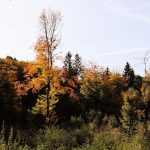
Autumn is widely considered the best season for lakeside picnics due to the explosion of red, orange, and yellow leaves that line the shore. The contrast between the warm foliage and the cool blue water creates a natural color palette that looks stunning in photographs without any editing. The cooler temperatures also make it more comfortable to sit outside for extended periods, as you are less likely to sweat or feel overheated. You should plan your visit during peak foliage season if visual impact is your primary goal, as this window is short and specific to the region.
Winter offers a starkly different experience with snow-covered shores and bare trees creating intricate patterns against the sky. The silence of the frozen landscape adds a meditative quality to the picnic, making it feel more private and introspective. However, you must be prepared for cold temperatures and potential ice on the ground, which requires proper footwear and warm clothing. This seasonal variation means that no two picnics are ever the same, giving you a reason to return throughout the year to see how the landscape transforms.
Water Clarity and Surface Conditions
The state of the water surface directly impacts how calm and inviting the picnic spot feels. Wind can create choppy waves that make it difficult to see reflections and can spray water onto your food if you are sitting close to the edge. Checking the weather forecast for wind speed is just as important as checking the temperature, as even a mild breeze can turn a flat lake into a textured surface. You want to aim for calm or light air conditions to ensure the water acts like a mirror rather than a turbulent barrier.
Water clarity varies significantly between different lakes in Southern Ontario, depending on sediment levels and recent rainfall. Clearer water allows you to see the bottom and any underwater features, adding depth and interest to the view. Muddy or turbid water can look dull and unappetizing, especially if you plan to swim or wade into the lake after your meal. Researching the specific water quality of your chosen spot helps you set realistic expectations for what you will see when you arrive.
Tidal fluctuations are minimal in these inland lakes, but seasonal water levels can change the position of the shoreline significantly. A low water level might expose a wide sandy beach that is perfect for setting up, while high water could submerge your preferred spot entirely. Checking recent photos or local reports on water levels before you go prevents the disappointment of arriving to find your ideal location underwater or too far from the water’s edge. This dynamic nature of lakes requires flexibility in your planning and a willingness to adapt to current conditions.
Wildlife Interaction and Noise Levels
Natural sounds like birdsong, wind in the trees, and gentle waves enhance the peaceful atmosphere of a lakeside picnic. However, unexpected wildlife encounters can disrupt your meal or create safety concerns if you are not prepared. Beavers, deer, and various bird species are common residents of these areas, and they may approach your food if left unattended. Securing your food in airtight containers and cleaning up crumbs immediately helps keep wildlife at a respectful distance while protecting your meal from being raided.

Noise pollution from nearby roads or other visitors can ruin the tranquility you are seeking. Some spots are located close to busy highways where traffic noise is constant, while others are tucked away in quiet coves where the only sound is nature. Listening to a video of the location or asking local residents about noise levels gives you a realistic idea of what to expect. You want a spot where you can hear your own thoughts and conversation clearly without straining over background noise.
Insect activity is another factor that can make or break your outdoor dining experience, especially during warmer months. Mosquitoes and flies are most active near water sources, so bringing insect repellent is essential for comfort. Choosing a spot with some breeze can help keep insects away, while dense vegetation may attract more of them. Balancing the need for shade with the risk of insect swarms requires a bit of strategy in selecting your exact position on the shoreline.
Practical Amenities and Safety Considerations
The availability of basic amenities like tables, benches, or fire pits can significantly enhance your comfort without requiring you to bring everything from home. Some parks offer picnic tables with trash cans, which saves you the hassle of setting up a ground sheet and dealing with waste later. However, these popular spots often fill up quickly, so arriving early is key if you want to secure one. If you prefer a more rustic experience, bringing your own folding chairs and table can give you a dedicated space that feels more personal and less crowded.
Safety is paramount when enjoying remote natural areas, and you should always inform someone of your location and expected return time. Cell service can be spotty in many parts of Southern Ontario, so carrying a physical map or offline maps on your phone is wise. Knowing the nearest medical facility and emergency contact numbers ensures you are prepared for any unexpected incidents that might arise during your visit. This preparedness allows you to relax fully, knowing you have covered the basics of safety.
Leaving no trace is an important principle for preserving these beautiful spots for future visitors. Pack out all trash, including biodegradable food scraps, and avoid disturbing the natural vegetation around you. Respecting the environment ensures that the area remains pristine and enjoyable for everyone who comes after you. A clean site is also more pleasant to sit in, as the absence of litter contributes to the overall sense of tranquility and connection with nature.

I have spent years uncovering the hidden gems and scenic routes across Southern Ontario, from the vineyards of Niagara to the rugged trails of the Bruce Peninsula. My weekends are dedicated to road trips and finding the perfect local diner or cabin stay. I love sharing the diverse beauty and relaxation opportunities found right here in the region.