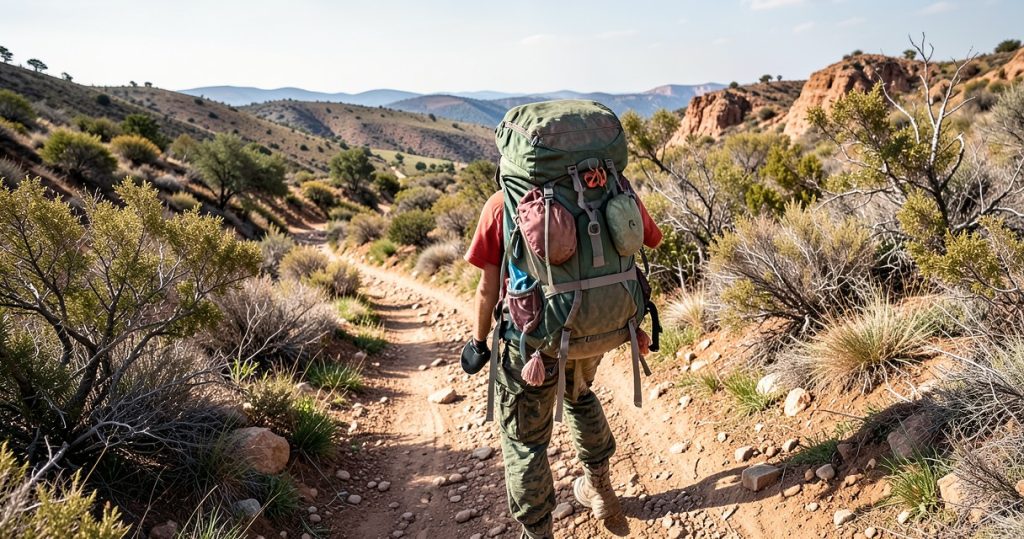
Traveling through Southern Ontario offers a mix of bustling cities, tranquil vineyards, and rugged shoreline, which means your luggage must be as adaptable as the region itself. Whether you plan to stroll along the Harbourfront in Toronto, sip Riesling in the Niagara Peninsula, or trek the Bruce Trail, the right packing strategy can keep you comfortable and ready for any surprise the province throws your way. This guide breaks down the most effective packing habits, focusing on clothing layers, activity‑specific gear, and organization tools that save space and reduce stress. By following these tips you’ll avoid overpacking, stay prepared for sudden weather shifts, and enjoy every moment of your Ontario adventure without lugging unnecessary weight.
Understanding Southern Ontario’s Climate Shifts
The weather in Southern Ontario can swing dramatically within a single day, especially during the shoulder seasons of spring and autumn. Morning temperatures in the Niagara region often linger near ten degrees Celsius, while afternoon sunshine can push the mercury up to twenty‑two degrees, demanding a flexible layering system that can be added or removed quickly. Summer days near Lake Erie may feel humid and warm, yet a breezy evening on the waterfront can feel noticeably cooler, so packing a lightweight rain jacket and a breathable sweater is a smart move. In winter, the Great Lakes effect brings heavy snowfalls and icy winds, so a waterproof coat, insulated boots, and thermal undergarments become essential for exploring cities or winter festivals.
Because Southern Ontario’s climate varies by micro‑region, it helps to check the forecast for each destination a day before you depart. For example, the Hamilton hills often experience slightly lower temperatures than downtown Toronto, while the wine country around Prince Edward County enjoys milder evenings thanks to its proximity to Lake Ontario. By tailoring your clothing choices to these subtle differences you avoid the common pitfall of arriving with either too many heavy layers or not enough protection against unexpected rain showers.
Building a Versatile Core Wardrobe
A core wardrobe that mixes neutral colors such as navy, gray, and olive allows you to create multiple outfits from a handful of pieces, maximizing suitcase space. Pack three interchangeable tops, one short‑sleeve tee, one long‑sleeve shirt, and one lightweight sweater, so you can layer them according to the temperature without needing a separate outfit for each day. Pair these with two pairs of versatile bottoms: a pair of dark denim jeans that transition well from city streets to countryside paths, and a comfortable pair of stretch chinos that work for dining out or a casual hike. Adding a compact, packable dress or skirt gives you a quick option for evening events in places like Niagara-on‑the‑Lake.
Footwear selection also plays a crucial role in a streamlined packing list. Choose a pair of waterproof walking shoes that provide good arch support for exploring urban neighborhoods, and a second pair of sturdy, breathable hiking boots for trails such as the Bruce Peninsula or Rattlesnake Point. Both pairs should be broken in before the trip to avoid blisters, and you can save space by stuffing socks and small accessories inside the boots. A lightweight, foldable hat and a pair of UV‑blocking sunglasses round out the essentials for protecting yourself against the bright summer sun that often reflects off the lakes.
Gear for Outdoor Adventures
Southern Ontario’s natural attractions call for specific gear that balances durability with portability. A day‑size backpack with a 20‑liter capacity fits comfortably on most hikers and leaves room for water, snacks, and a light rain cover. Include a reusable water bottle of at least one liter, as many trailheads provide refill stations but you’ll want to stay hydrated on longer sections of the Niagara Escarpment. For those planning canoe trips on the Grand River or kayaking on Lake Simcoe, a quick‑dry towel and a waterproof dry bag protect electronics and clothing from splashes.
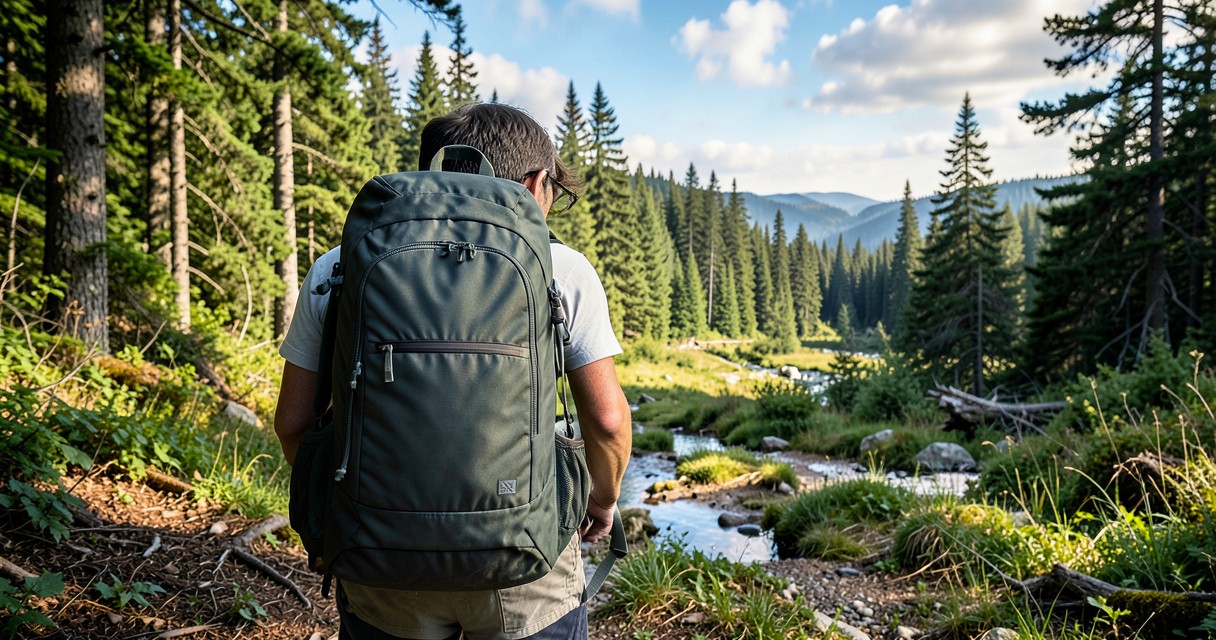
When visiting wineries in the Niagara Peninsula, bring a compact, insulated cooler bag to keep purchased bottles at the right temperature during the drive home. A small, foldable picnic blanket is handy for impromptu stops at scenic overlooks, and a set of binoculars enhances wildlife spotting in places like the Long Point Provincial Park. Remember to pack a multi‑tool with a bottle opener, a small flashlight, and a basic first‑aid kit containing band‑aids, antiseptic wipes, and pain relievers; these items are lightweight yet invaluable when you’re far from a store.
Smart Packing for Urban Exploration
City visits in Southern Ontario demand a slightly different approach, focusing on style, comfort, and quick access to travel documents. A slim, RFID‑blocking passport holder keeps your ID, boarding passes, and credit cards organized while protecting them from electronic theft in crowded transit hubs. For daily outings, a cross‑body bag with an adjustable strap allows you to keep hands free while navigating streets like King Street West or the Distillery District. Choose a bag made from water‑resistant material to guard against sudden rain showers that are common in the summer months.
When dining out or attending cultural events in Toronto’s theatre district, a smart‑casual outfit, such as a crisp button‑down shirt paired with the stretch chinos mentioned earlier, keeps you looking polished without needing a separate suit. A compact, travel‑size wrinkle‑release spray can freshen garments after a long day of walking, while a pair of foldable flats or loafers provide a lighter alternative to shoes when you plan to spend extended periods on foot. Carry a small, refillable hand sanitizer bottle to maintain hygiene while using public transportation or touching shared surfaces.
Organizing Essentials with Packing Cubes and Checklists
Using packing cubes transforms a chaotic suitcase into a series of clearly defined compartments, making it easy to locate items without unpacking everything. Allocate one cube for tops, another for bottoms, and a third for undergarments and socks; this system also compresses clothing, allowing you to fit more items into a standard carry‑on. A separate, zip‑top cube for electronics, phone charger, portable power bank, and camera accessories, keeps cords from tangling and protects delicate equipment from scratches.
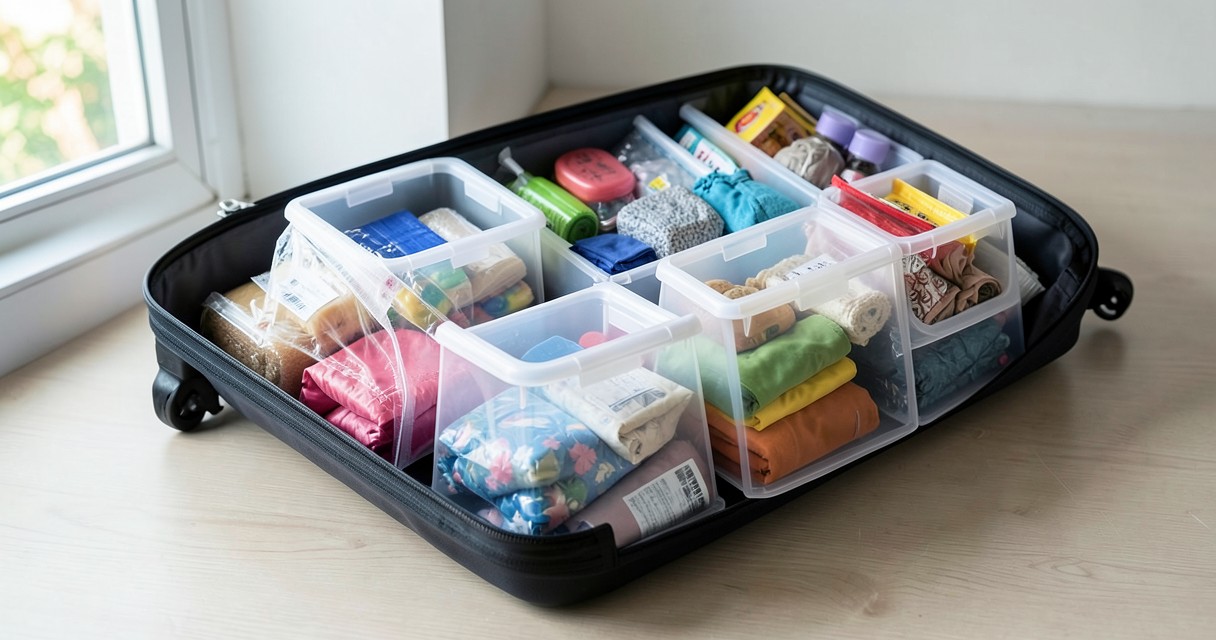
Before you zip your bag, run through a printable checklist that includes clothing, toiletries, travel documents, and activity‑specific gear. Mark each item as you place it in the suitcase, and double‑check the list before you lock the luggage. This habit reduces the chance of forgetting essentials like a reusable tote for market shopping in St. Catharines or a spare set of batteries for your hiking headlamp. By treating the packing process as a series of small, verified steps, you avoid the stress of last‑minute scrambling at the airport or train station.
Preparing for Unexpected Situations
Even the best‑planned trips can encounter surprises, so a few precautionary items are worth the extra space they occupy. A compact, wind‑proof travel umbrella folds into a pocket‑size case and can be deployed during sudden rainstorms that often develop over the Great Lakes. Pack a small, resealable bag of emergency cash in case electronic payment systems are temporarily unavailable at a roadside market or small boutique. Including a basic travel‑size antibiotic ointment and antihistamine tablets prepares you for minor cuts or unexpected allergic reactions while exploring outdoor festivals.
Finally, ensure that all important documents, flight itineraries, car rental agreements, and reservation confirmations, are saved both digitally and on paper. Store a printed copy in a waterproof folder inside your luggage, and keep digital versions on a password‑protected cloud service accessible from your smartphone. Having these redundancies means you can quickly retrieve the information you need, whether you’re checking into a hotel in Burlington or navigating a detour on the 401 to reach a hidden waterfall. With these safeguards in place, you’ll feel confident facing any twist that Southern Ontario’s diverse landscape might present.

I have spent years uncovering the hidden gems and scenic routes across Southern Ontario, from the vineyards of Niagara to the rugged trails of the Bruce Peninsula. My weekends are dedicated to road trips and finding the perfect local diner or cabin stay. I love sharing the diverse beauty and relaxation opportunities found right here in the region.