
Planning a paddling getaway in Southern Ontario means prioritizing waterways where the current barely whispers, letting you focus on shoreline scenery instead of bracing against whitewater. The region’s glacially carved valleys and limestone flats create dozens of slow-moving corridors perfect for a relaxed day on the water. Finding the best kayak rentals often starts with identifying which river matches your desired pace, whether that is a meander through Carolinian forest or a drift past historic mill towns. Outfitters here typically structure their fleets around stability, stocking wide recreational hulls that forgive beginner wobbles and track straight on flat stretches. Understanding how these businesses operate, from shuttle logistics to seasonal staffing, helps you book a trip that feels effortless rather than improvised.
How River Gradient Shapes Your Paddling Experience
The gradient of a river dictates every decision an outfitter makes about fleet composition and route design. On the Grand River between Paris and Brantford the drop averages less than thirty centimeters per kilometer, creating pools that act like natural lakes connected by gentle riffles. Rental companies there favor twelve-foot polyethylene boats with high initial stability because the water rarely demands aggressive maneuvering. Contrast that with the upper Saugeen near Hanover where the gradient doubles, requiring shorter hulls with more rocker to navigate occasional sweepers and shallow gravel bars. When you call a shop, ask for the specific put-in and take-out coordinates; a two-kilometer difference in launch site can shift the effective gradient enough to change a float from meditative to mildly technical.
Water level gauges maintained by Conservation Authorities provide real-time cubic-meter-per-second readings that outfitters monitor each morning. A reading of fifteen cubic meters per second on the Speed River through Guelph means exposed limestone ledges that can ground a loaded tandem boat, while thirty cubic meters covers those hazards and adds a pleasant push. Most rental agreements include a clause allowing the operator to cancel or reroute if flow exceeds a safety threshold, usually around sixty cubic meters for recreational fleets. Savvy paddlers check the Water Survey of Canada portal the night before and again at dawn, then confirm with the shop that the planned segment is still green. This data-driven approach prevents the disappointment of arriving to find your reserved route closed due to high water.
Shuttle Logistics and the Hidden Cost of One-Way Trips
One-way rentals dominate the Southern Ontario market because they eliminate the need to paddle upstream against even a mild current. The shuttle fee, often twenty to thirty dollars per boat, covers a driver, a trailer, and the fuel to reposition vehicles between launch and landing. On the Thames River between Thamesford and Springbank the shuttle runs a twenty-minute loop on county roads, allowing the outfitter to turn boats around three times on a busy Saturday. However, on the Nottawasaga between Alliston and Wasaga Beach the round trip stretches to forty-five minutes each way, limiting the operator to two runs per day and creating a hard cap on available inventory. Booking the earliest slot, typically nine a.m., guarantees you catch the first shuttle wave and avoid the afternoon bottleneck when late arrivals stack up at the take-out.
Some outfitters experiment with a self-shuttle model where you leave a bike at the take-out, drive to the put-in, paddle down, then cycle back to retrieve your car. The Grand River Conservation Authority maintains a packed-gravel trail paralleling the river for eighteen kilometers between Cambridge and Paris, making this viable for fit paddlers with mountain bikes. Rental shops that support this option often discount the shuttle fee by half, but they require a signed waiver acknowledging the bike leg is unsupervised. If you choose this route, factor in an extra hour for the return ride and confirm the trail condition after heavy rain; clay sections near Glen Morris can turn slick enough to stall a loaded touring bike.
Fleet Composition and Why Boat Width Matters More Than Length
Walk into any Southern Ontario rental yard in July and you will see rows of boats clustered around the thirty-inch beam mark. That width is the sweet spot for recreational stability on flatwater; narrower touring kayaks feel tippy to novices, while wider fishing platforms sacrifice glide efficiency on multi-kilometer floats. The Sydenham River outfitters near Wallaceburg stock almost exclusively thirty-two-inch beam models because the channelized sections feel like canals and clients prioritize confidence over speed. Meanwhile, the Maitland River shops around Goderich keep a few twenty-eight-inch composite boats for experienced paddlers who want to cover twenty kilometers in a day without shoulder fatigue. Ask the staff which hulls see the highest repeat-customer rate; their answer reveals the real-world favorite better than any spec sheet.
On the PaddleTV channel, they cover this topic in detail, so you can watch their guide right here.
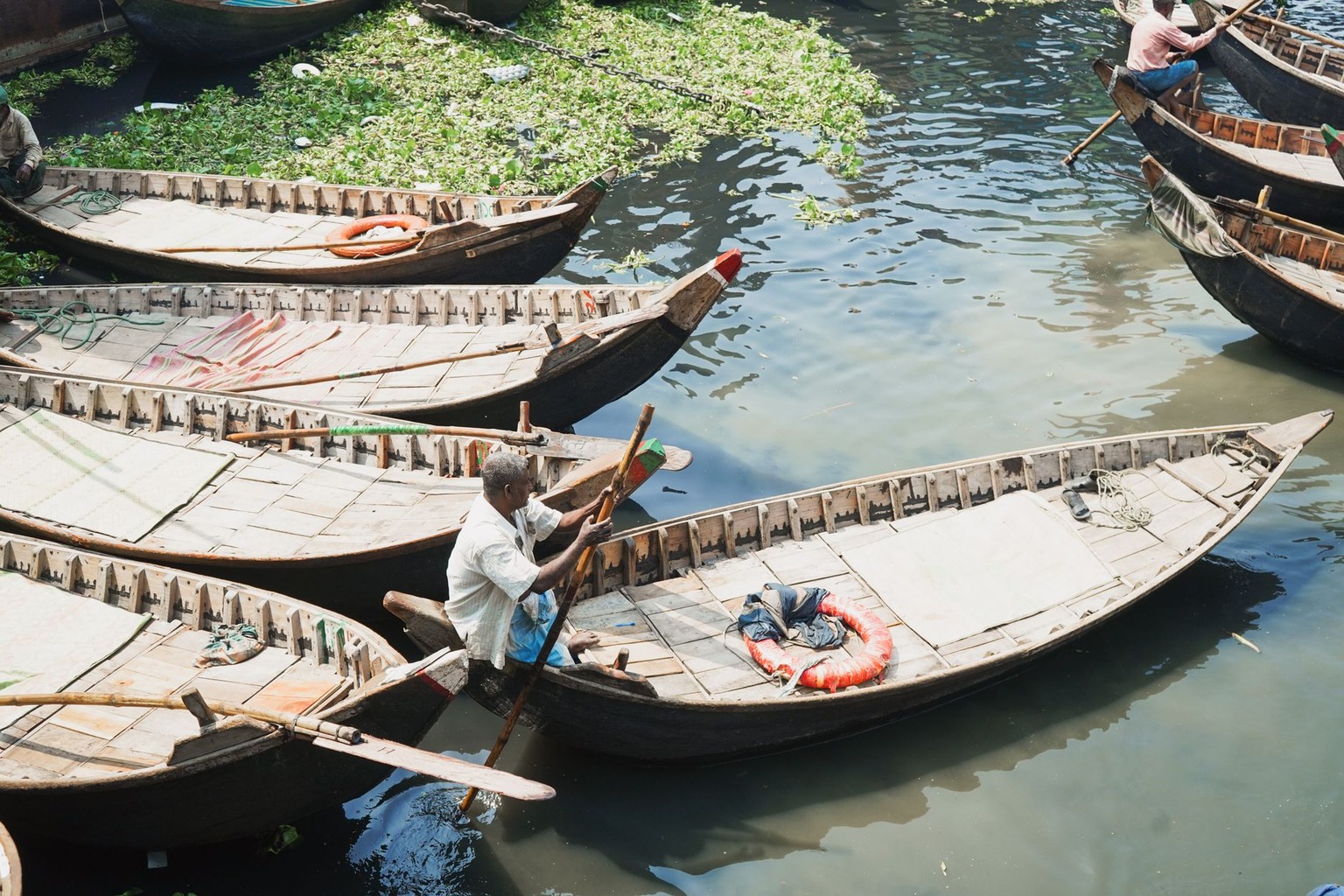
Tandem kayaks outsell singles by roughly three to one on weekend afternoons, driven by couples and families who prefer shared steering. This ratio forces outfitters to manage weight distribution carefully; a tandem loaded with two adults plus a fifty-pound child in the center hatch sits three centimeters lower than the same boat with two adults only. That draft difference determines whether you clear the submerged railway ties near the old CNR bridge on the Credit River at Norval. Reputable shops will weigh each party at check-in and adjust seat positions or ballast bags accordingly. If a rental counter skips this step, consider it a red flag, proper trim is the difference between a dry ride and an unexpected swim.
Seasonal Windows and the Shoulder-Season Advantage
Victoria Day weekend traditionally opens the high season, but the savviest paddlers target the last two weeks of September. Water temperatures on the Grand and Thames still hover around eighteen degrees Celsius, air temps settle in the low twenties, and the biting insects that plague June evenings have vanished. Rental fleets operate at forty percent capacity, meaning you can walk up without a reservation and choose your preferred boat. Outfitters often discount weekday rates by twenty percent after Labour Day, and some throw in a free dry-bag rental that would cost ten dollars in July. The trade-off is shorter daylight, plan to be off the water by five p.m. to avoid navigating the final kilometer in twilight.
Early spring offers a different calculus. The Nottawasaga and Saugeen run high and cold through April, fed by snowmelt from the Niagara Escarpment. Shops that open in March require full wetsuits or drysuits, which they rent for an extra fifteen dollars per day. Hypothermia risk is real; a capsize in eight-degree water gives you roughly ten minutes of useful muscle function. Conservation Authorities post mandatory cold-water advisories when the combined air and water temperature drops below thirty degrees Celsius. If you paddle in April, file a float plan with the rental shop, carry a VHF radio on channel sixteen, and stay within one hundred meters of shore. The reward is absolute solitude and the chance to see migrating tundra swans resting on the oxbows.
Conservation Authority Permits and Access Point Nuances
Every major river in Southern Ontario falls under a Conservation Authority that manages launch permits, parking fees, and ecological protection zones. The Grand River Conservation Authority charges a twelve-dollar daily vehicle permit at designated lots like Brant Conservation Area, while the Upper Thames River Conservation Authority uses an honor-box system at smaller pull-offs. Rental shops usually bundle the permit into your package price, but verify this before you drive; arriving at a gatehouse without a pass adds fifteen minutes of scrambling for change. Some authorities restrict group size to eight boats without a special event permit, which requires a two-week lead time and a fifty-dollar application fee. If you are organizing a corporate outing or family reunion, ask the outfitter to handle the paperwork, they have established contacts and know which sections allow larger flotillas.
Ecological sensitivity closures can shift annually. The Ausable Bayfield Conservation Authority routinely closes the lower Ausable near Port Franks from mid-May through June to protect spawning northern pike. The closure boundary moves based on water temperature telemetry, so a stretch that was open last year might be off-limits this season. Rental operators receive email bulletins the morning of each change, but their websites may lag by twenty-four hours. Call the shop the night before your trip and ask specifically about active closures on your intended segment. This habit saves you from the frustration of unloading gear at a locked gate with a «River Closed» sign.
Reading Water Conditions Like a Local Guide
Wind direction relative to river orientation creates micro-conditions that no forecast app captures. The Grand River runs roughly northwest to southeast between Cambridge and Paris; a southwest wind at fifteen kilometers per hour pushes you sideways into overhanging willows on river-left, forcing constant correction strokes. Experienced paddlers on that stretch prefer a northeast wind that flattens the surface and provides a subtle tailwind assist. On the wide, east-west sections of the Thames near Chatham, a north wind builds a chop that can swamp a low-freeboard recreational kayak, while a south wind creates a glassy lee along the south bank. Ask your rental counter for the «wind cheat sheet», many shops laminate a one-page diagram showing which bank offers shelter for each cardinal wind direction.
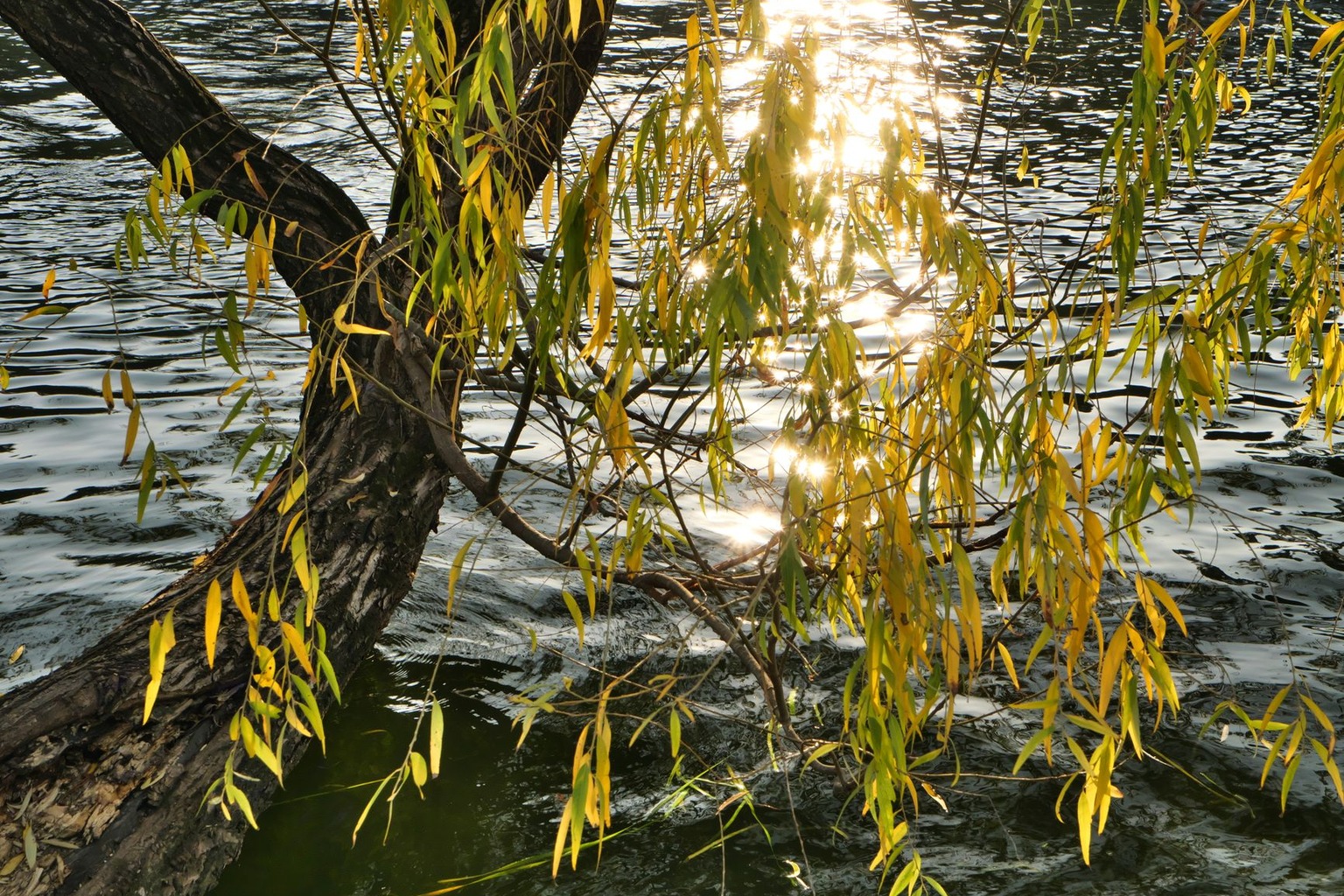
Algae blooms in late August can turn slow-moving reaches into green sludge that clogs rudders and stains hulls. The Speed River through Guelph and the lower Sydenham are prone to this because agricultural runoff elevates phosphorus levels. Outfitters track bloom reports from the Ministry of Environment and will reroute trips to upstream sections above the worst mats. If you launch into a bloom, keep your paddle shafts vertical during recovery to minimize the green slime coating the grips, and rinse your boat thoroughly at the take-out to prevent transferring invasive species to the next waterbody. A quick visual inspection of the water color at the put-in, pea-soup green versus tea-colored clarity, tells you everything you need to know about the day’s paddling quality.
Building a Multi-Day Itinerary Around Rental Hubs
Stringing together two or three single-day rentals from different outfitters unlocks longer explorations without the logistics of hauling personal boats. A classic three-day loop starts with a Grand River float from Paris to Brantford on day one, switches to a Thames River shuttle from Thamesford to Kilworth on day two, and finishes on the Saugeen from Walkerton to Southampton on day three. Each segment averages eighteen kilometers, doable in four to five hours with a picnic stop. Book the Grand River slot for Monday to avoid weekend crowds, the Thames for Tuesday when the shuttle runs on a lighter schedule, and the Saugeen for Wednesday when the Lake Huron breeze keeps temperatures comfortable. This staggered approach also spreads your spending across three small businesses rather than concentrating it with one operator.
Accommodation proximity matters more than river fame. The town of Paris has three boutique inns within two hundred meters of the Grand River take-out, letting you roll out of bed and onto the water by nine a.m. without moving your car. In contrast, the Saugeen take-out at Southampton requires a ten-minute drive from most B&Bs, adding friction to an early start. When you map your itinerary, measure the door-to-launch time, not just the river distance. A rental shop that opens at eight a.m. and sits beside a coffee shop and a secure bike rack for self-shuttlers is worth a slightly longer drive than a cheaper outfit hidden down an unmarked gravel lane. Those quality-of-life details determine whether the trip feels like a vacation or a chore.

I have spent years uncovering the hidden gems and scenic routes across Southern Ontario, from the vineyards of Niagara to the rugged trails of the Bruce Peninsula. My weekends are dedicated to road trips and finding the perfect local diner or cabin stay. I love sharing the diverse beauty and relaxation opportunities found right here in the region.