Southern Ontario holds a surprising geographic secret for outdoor enthusiasts because the region boasts hundreds of stunning cascades tucked away along the Niagara Escarpment. Planning a trip to see these natural wonders requires evaluating how different locations match your travel style, physical fitness, and photography goals. You might choose between visiting famous multi tiered plunges that draw thousands of weekly visitors or seeking out quiet ribbon trickles that demand a rugged hike through dense Carolinian forests. Local tourism thrives on this variety, allowing day trippers from Toronto or Hamilton to curate an itinerary based on accessibility, seasonal flow rates, and crowd density. Understanding the distinct dimensions of each waterfall site helps you avoid overcrowded parking lots and disappointment during dry summer months when water levels drop significantly.
Urban Proximity Versus Remote Wilderness Settings
Choosing between city adjacent cataracts and remote backcountry drops fundamentally shapes your entire Southern Ontario travel experience. Urban sites like Albion Falls or Sherman Falls in Hamilton offer paved walkways, nearby residential parking, and minimal walking effort from your vehicle to the viewing platform. These locations fit casual tourists who want a quick nature fix without packing heavy hiking gear or spending hours navigating forest trails. On the other hand, visiting secluded spectacles deeper along the Bruce Trail demands sturdy footwear, map reading skills, and an acceptance of patchy cellular service. You should pick urban waterfalls when traveling with small children or older adults who require accessible boardwalks and immediate restroom facilities. Remote options suit solo hikers and landscape photographers willing to earn their views through strenuous cardio and careful footing on slippery limestone rocks.
Massive Horseshoe Plunges Versus Delicate Ribbon Cascades
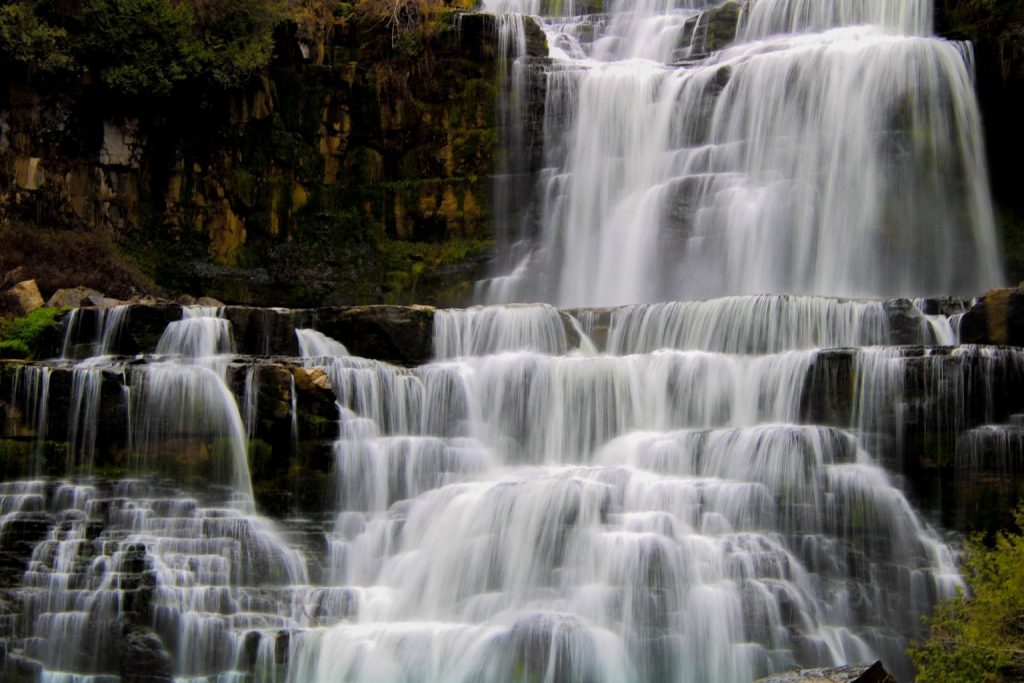
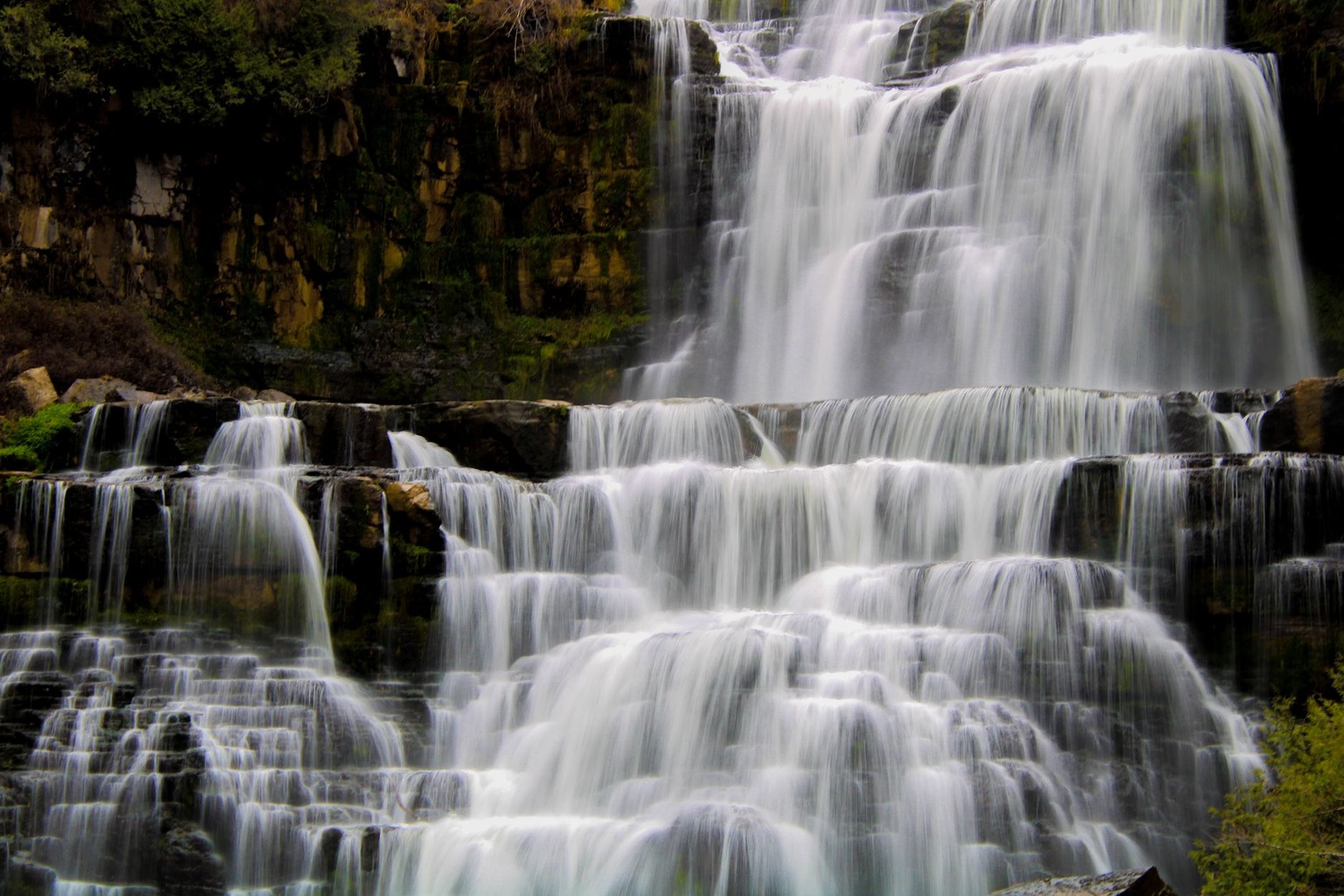
The sheer scale of water volume creates a massive contrast when comparing major regional landmarks to smaller localized streams. Niagara Falls represents the absolute pinnacle of high volume power, where millions of gallons crash over the brink every single minute with a thunderous roar. Visiting this global giant gives you a sensory overload of mist and sound, best experienced from tourist boats or nearby observation towers. Conversely, hidden gems like Webster Falls or Tew Falls present a much more delicate aesthetic defined by tiered rock ledges and graceful veils of water. These smaller formations change dramatically depending on recent rainfall, transforming from raging torrents in April to gentle trickles by late August. Travelers who prefer intimate photography and quiet contemplation will find the ribbon cascades much more rewarding than the commercialized circus surrounding the international border.
Peak Spring Melt Versus Colorful Autumn Excursions
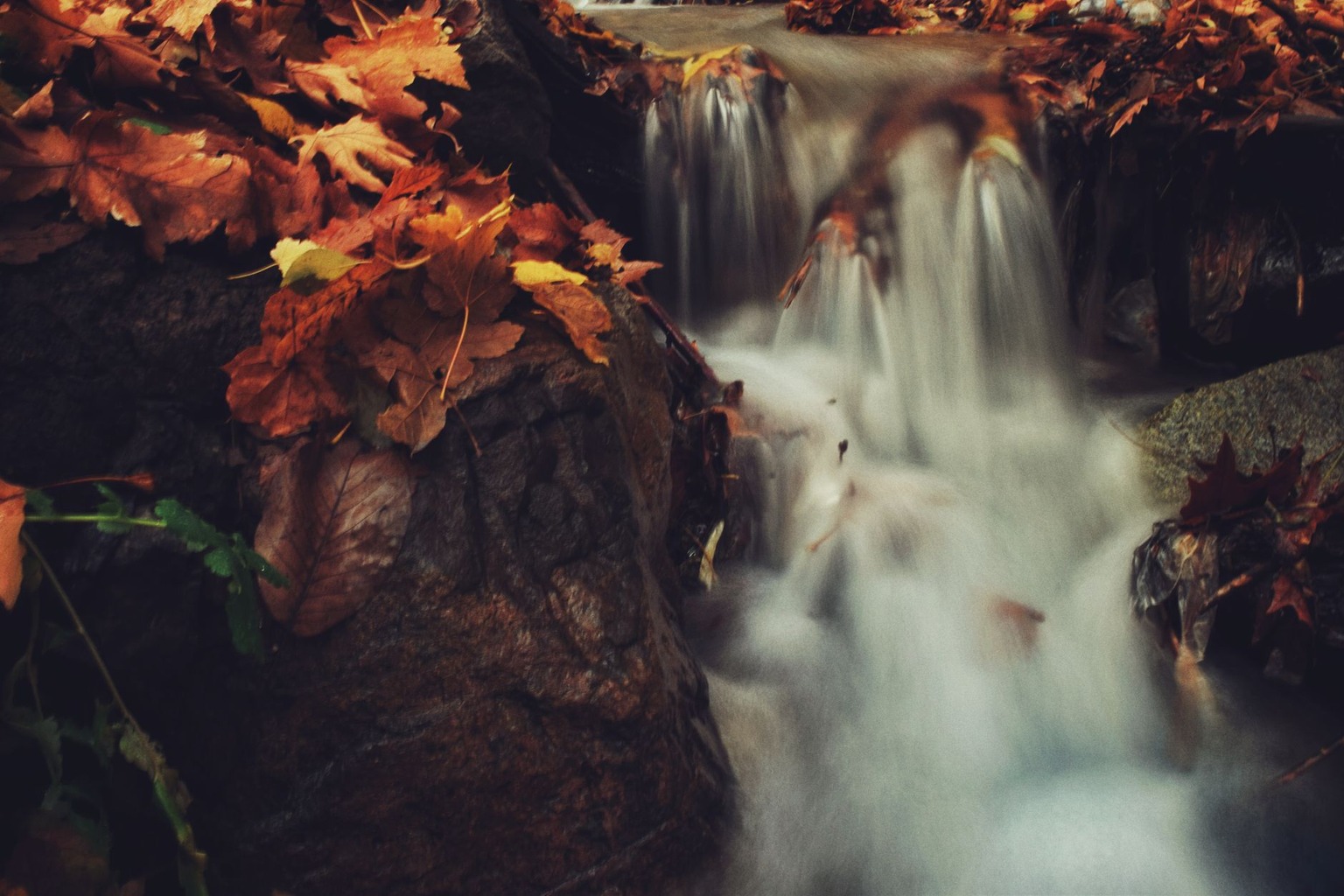
Timing your Southern Ontario road trip dictates the visual character and environmental conditions you will encounter at every single scenic stop. Springtime brings the highest water volume due to snowmelt and seasonal rains, causing rivers to surge with incredible kinetic energy that makes every cascade look ferocious. Photographers love April and May for this raw power, though muddy trails and chilly temperatures require waterproof boots and warm layers. Autumn introduces a completely different atmosphere as the surrounding hardwood trees explode into vibrant shades of orange, red, and gold. Visiting in October means lower water levels, but the colorful foliage frames the limestone cliffs and rushing streams in a way that feels straight out of a postcard. Summer visits demand careful planning around park reservation systems and high parking fees, forcing tourists to arrive early in the morning to secure a spot.
On the Caver461 channel, they cover winter hikes to frozen waterfalls in Ontario, and you can watch it right here.
Paved Observation Decks Versus Rugged Gorge Trails
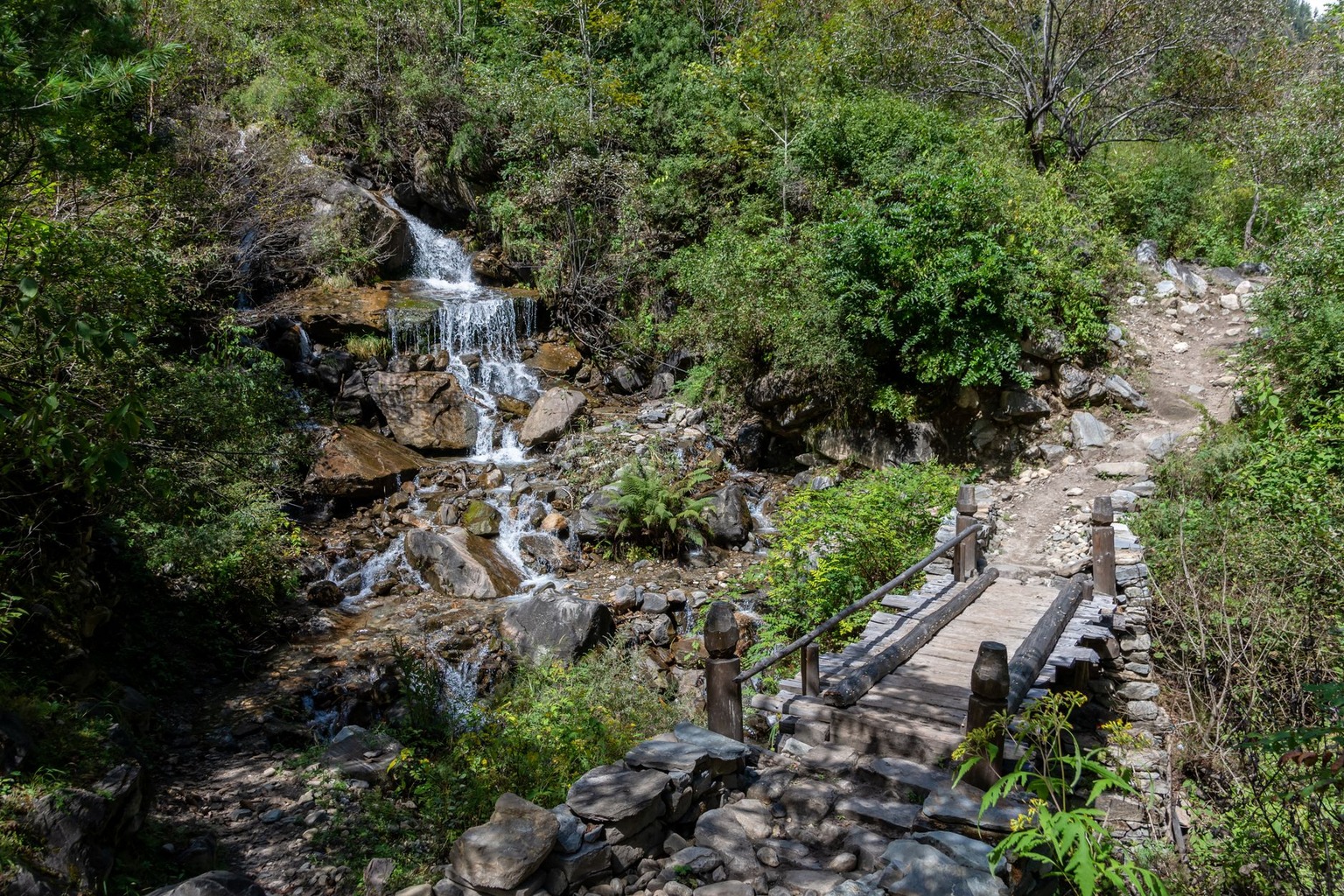
Accessibility infrastructure varies wildly across the Niagara Escarpment, dividing destinations into casual viewing areas and hardcore hiking zones. Developed municipal parks feature steel staircases, wooden boardwalks, and clear signage that keep visitors safely behind heavy wooden fences. These amenities make sightseeing stress free, though they remove the sense of wild adventure and restrict you to predetermined camera angles. In contrast, unmanaged crown land and conservation areas often require scrambling down steep dirt banks and crossing shallow streams on stepping stones. Adventure seekers appreciate these raw conditions because they allow you to stand directly at the base of the plunging water and feel the cool mist on your face. You must assess your own comfort level with heights and unstable terrain before attempting to access the gorge floors where official trails end.
Free Public Access Versus Paid Conservation Areas
Budget management plays a surprising role when organizing a comprehensive waterfall tour across the Golden Horseshoe and surrounding counties. Many roadside cascades sit on public municipal land where parking is completely free and you can pull off the shoulder for a quick five minute look. However, major conservation authorities manage the most famous landmarks, charging steep daily admission fees per person alongside hourly parking rates. Paying these fees directly funds trail maintenance, garbage collection, and habitat restoration, ensuring the fragile ecosystems survive the heavy tourist traffic. Travelers on a tight budget should research municipal parks in Hamilton and Halton that offer stunning views without requiring a credit card swipe at the entrance gate. Weekend visitors should also note that reservation systems are mandatory at popular spots to prevent overcrowding.
Family Friendly Loops Versus Technical Hiking Expeditions
Matching the trail difficulty to the capabilities of your travel group prevents exhausting meltdowns and ensures an enjoyable day outdoors. Family friendly loops feature gentle slopes, wide gravel paths, and interpretive signs that educate children about local geology and wildlife. These short walks rarely exceed two kilometers round trip, leaving plenty of energy for ice cream stops and scenic picnics near the riverbanks. Technical expeditions, however, involve steep climbs up the face of the escarpment, exposed tree roots, and narrow ledges that require total concentration. Hikers tackling these tougher routes should pack plenty of water, high protein snacks, and a first aid kit to handle minor slips and scrapes. Knowing your physical limits before stepping onto the trail guarantees you return home with fond memories rather than sore muscles.

I have spent years uncovering the hidden gems and scenic routes across Southern Ontario, from the vineyards of Niagara to the rugged trails of the Bruce Peninsula. My weekends are dedicated to road trips and finding the perfect local diner or cabin stay. I love sharing the diverse beauty and relaxation opportunities found right here in the region.