Paddling a calm stretch of water in Southern Ontario offers a rare pause from the noise of daily life, but finding the right starting point matters more than the kayak itself. Most travelers focus on the boat while ignoring the river conditions, launch access, or seasonal timing that actually determines whether the trip feels serene or stressful. This guide walks through the practical steps for securing the best kayak rentals peaceful rivers Ontario so you can spend your time watching loons instead of navigating crowds. You will learn how to match your skill level with specific waterways, what to check before booking, and how to avoid the common pitfalls that turn a relaxing paddle into a logistical headache.
Match Your Skill Level to the Right Waterway
Southern Ontario offers a surprising range of river difficulty levels, from flatwater canals that feel like glass to sections with gentle riffles and moderate current. Beginners should target routes with consistent depth, minimal obstacles, and easy shore access for a quick exit if needed. The Credit River near Toronto is often too busy for true solitude, but the lower stretches near Oakville offer calmer waters suitable for first-time paddlers. Look for rental operators who provide specific route maps that distinguish between Class I and flatwater sections, as this detail separates professional outfitters from casual vendors.
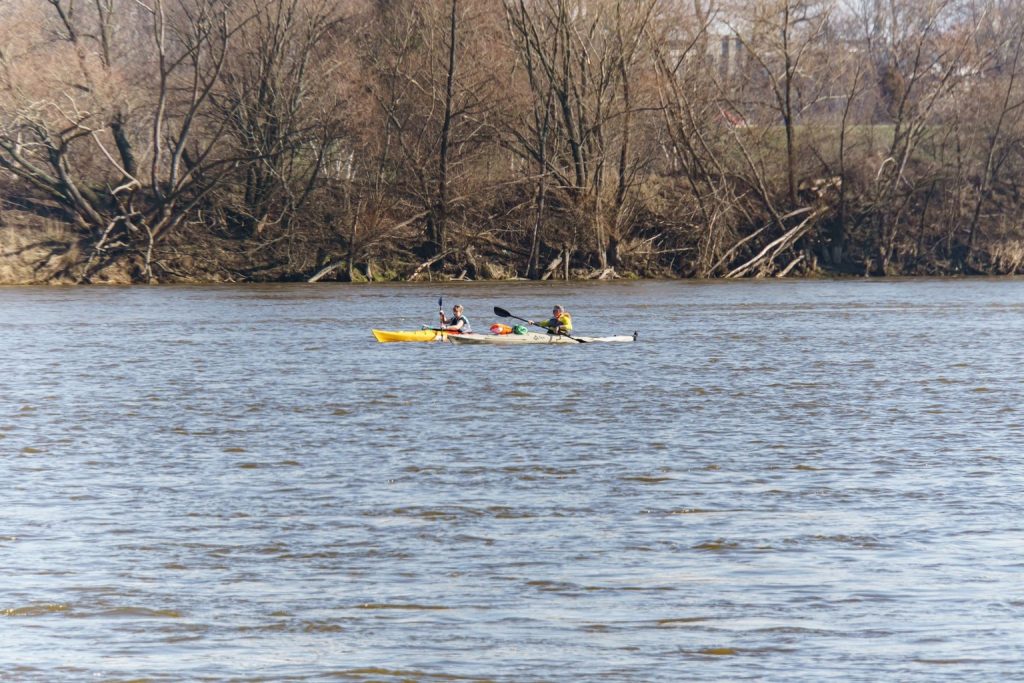
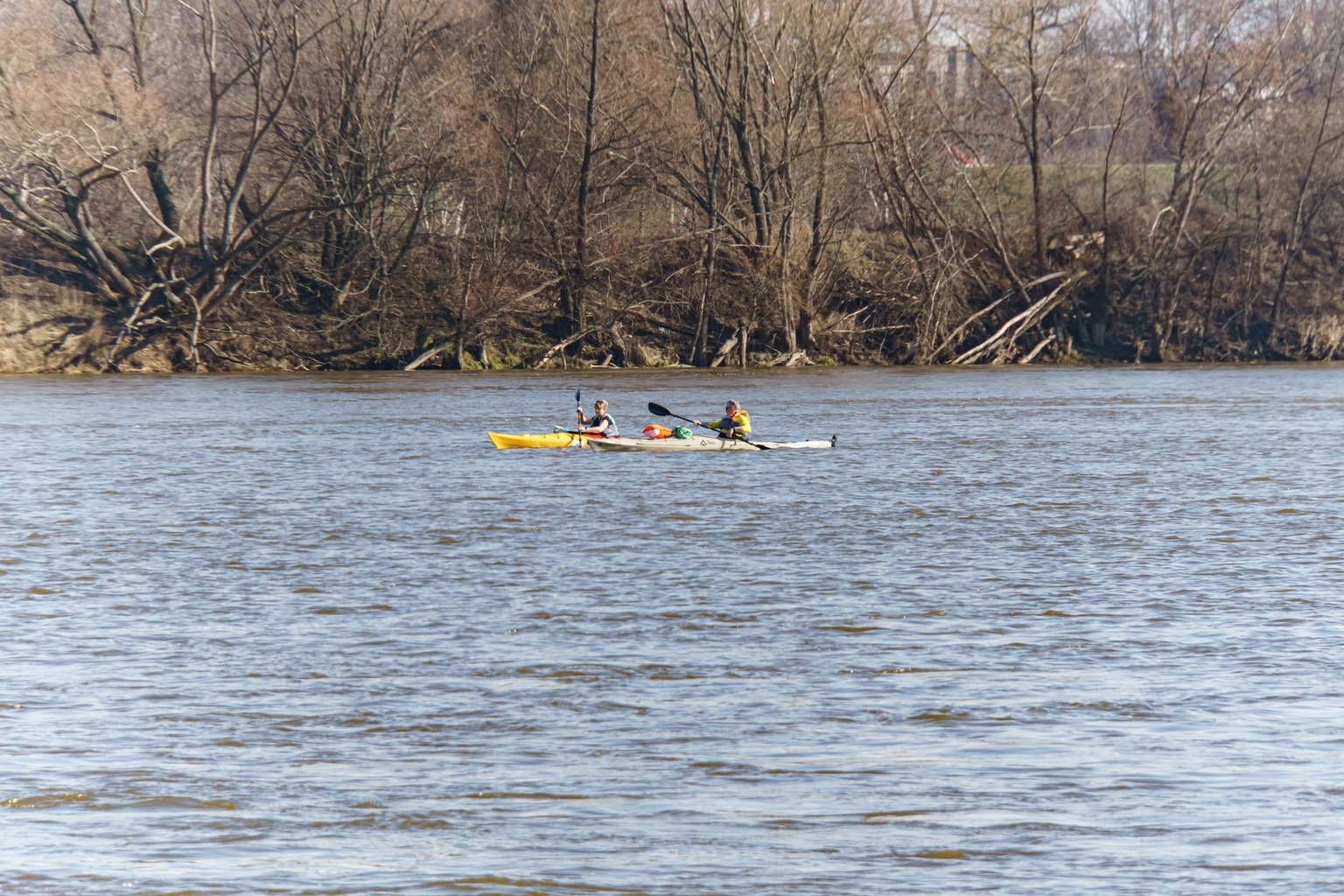
Intermediate paddlers can handle slightly faster current and occasional portages, which opens up more remote sections of the Grand River or the North Branch of the Thames. These routes often pass through farmland and forested areas where you might spot deer or turkey along the banks, adding a wildlife element that flatwater lakes rarely provide. Check the recent flow levels before you go, because low water can expose rocks and make navigation tricky even on routes normally considered easy. A good outfitter will tell you the current conditions at the time of your booking rather than just handing you a paddle.
Experienced paddlers might seek out the upper reaches of rivers where the water moves faster and the scenery becomes more rugged, but even here the goal is serenity, not adrenaline. The key is finding sections that are remote enough to feel empty yet accessible enough that you are not stranded for hours if something goes wrong. Many outfitters in the region know these sweet spots well and can recommend specific launch points that avoid the popular tourist traps. Ask them directly about the expected solitude level for your chosen date, as weekend mornings fill up quickly while weekdays often remain quiet.
Verify Rental Provider Credentials and Equipment Quality
Not all rental shops in the region operate to the same standard, and the difference shows up in how well-maintained their boats are and how thoroughly they brief you on safety. Look for providers who are members of recognized paddling associations or who carry comprehensive liability insurance, as these details indicate a business that takes its responsibilities seriously. Inspect the kayaks before you sign the rental agreement, checking for cracks in the hull, loose fittings, and clear visibility through the windows if it is a hard-shell model. A reputable shop will not hesitate to show you their equipment history and will replace any boat that shows signs of wear.
Paddle quality matters just as much as the boat itself, because a poorly balanced paddle can cause wrist strain within an hour of use. Ask to test the paddle before finalizing your rental, ensuring it fits your height comfortably and that the blades are not worn down from previous rentals. Many outfitters offer adjustable paddles at no extra cost, which is ideal if you are renting with a partner of significantly different height. The fit should feel natural rather than forced, allowing you to maintain a relaxed stroke pattern throughout the entire trip without developing fatigue.
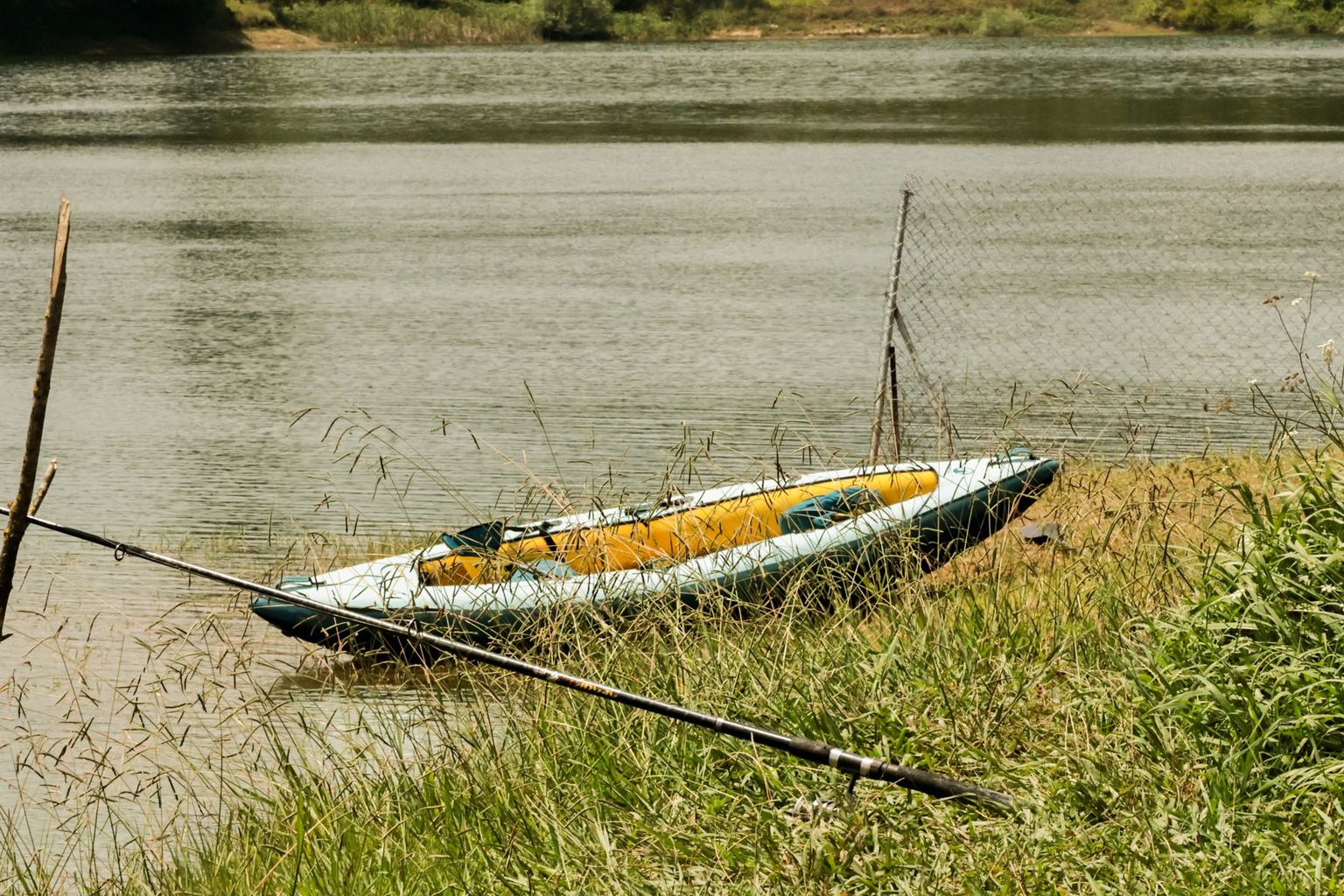
Packrafts and inflatable kayaks have become increasingly popular for their portability, but they require extra attention to inflation pressure and air valve integrity before departure. Make sure the rental includes a pump and that you understand how to properly seal the valves, as a slow leak can ruin an afternoon of paddling by forcing you to constantly re-inflate the craft. Hard-shell kayaks offer better tracking in moving water but require more physical effort to transport if you need to portage around obstacles. Choose the type that matches your planned route and your comfort level with handling different equipment types.
Time Your Trip for Peak Solitude and Comfort
The difference between a crowded river and an empty one often comes down to the specific hour you launch, rather than the day of the week. Weekday mornings between 7:00 AM and 9:00 AM typically offer the quietest conditions, as most recreational paddlers are still commuting or sleeping in. If you can only go on weekends, aim for a mid-afternoon launch around 2:00 PM, after the early crowd has packed up and left the most popular access points. Check the weather forecast for wind patterns, because even calm rivers can become choppy when the wind shifts direction across open water.
On the Sujanos Travel channel, they cover amazing kayaking destinations in Ontario, and you can watch it right here.
Seasonal timing plays a huge role in both comfort and solitude, with late spring offering green foliage but higher water levels that can make navigation more challenging. Early fall is often considered the ideal window for serene paddling, as the air cools down, the water clears up, and the crowds thin out after the summer rush. Avoid mid-summer holidays and long weekends if possible, because these dates bring the highest volume of recreational users to every accessible river in the region. If you must paddle during peak season, choose a route that is slightly longer or more remote to skip the busiest sections entirely.
Dawn and dusk paddles offer unique lighting conditions that transform the landscape into something almost otherworldly, with mist rising off the water and shadows stretching long across the banks. These times also coincide with peak wildlife activity, giving you a better chance of spotting herons, turtles, and fish jumping near the surface. The cooler temperatures make physical exertion more comfortable than midday heat, reducing sweat and discomfort during longer paddles. Many outfitters offer early morning bookings at discounted rates, which is a smart way to secure the best conditions without paying premium weekend prices.
Prepare Your Gear for Extended Water Time
Most rental packages include basic safety gear like life jackets and throw bags, but bringing your own personal items ensures comfort and hygiene throughout the trip. Wear quick-dry clothing that wicks moisture away from your skin, avoiding cotton entirely because it stays wet and cold when you eventually get soaked. Sun protection is non-negotiable on open water, where UV exposure is stronger than on land due to reflection off the surface. Bring a wide-brimmed hat, polarized sunglasses, and high-SPF sunscreen that you can reapply easily without making a mess of your kayak.
Hydration and nutrition take on new importance when you are out on the water for several hours, as dehydration sets in faster than you might expect. Pack at least two liters of water per person plus electrolyte drinks if you plan to paddle more than three hours, along with high-energy snacks that do not crumble or drip. A dry bag is essential for protecting your phone, wallet, and other valuables from accidental splashes or a full capsize. Many outfitters provide small dry bags with the rental, but bring your own larger one if you are planning to carry extra gear or clothing changes.
Navigation tools can be as important as physical gear, especially on longer routes where landmarks become less frequent and more similar. Download offline maps of your planned route before you leave home, as cell service is often unreliable in remote river valleys and wooded areas. A simple paper map serves as a reliable backup if your electronic devices run out of battery or get wet despite your precautions. Mark your intended turn-around point clearly on the map so you do not paddle further than you can comfortably return before dark.
Navigate Launch Points and Access Regulations
Understanding where you can legally put in and take out is critical for a smooth experience, as some river access points have specific rules about parking, camping, or noise levels. Check with local conservation authorities or provincial parks offices before your trip to confirm that your chosen launch point is open and accessible by vehicle. Some popular spots require a permit during peak season, while others have limited parking that fills up by early morning on weekends. Arriving thirty minutes early gives you time to park, gear up, and settle in without feeling rushed or stressed.
Portage trails along many Southern Ontario rivers can be overgrown with vegetation, making them difficult to navigate with a loaded kayak and gear. Scout the trail from the shore if possible before committing to a full portage, looking for clear paths that avoid dense underbrush and muddy sections. If the trail looks too thick or slippery, consider paddling around the obstacle if the water allows it, rather than forcing through a difficult carry. Many outfitters provide maps that indicate which portages are well-maintained and which have become overgrown in recent seasons.
Traffic on shared river corridors can be unpredictable, especially near bridges or narrow channels where boats from different directions meet. Practice basic river etiquette by keeping to the right side of the current when paddling upstream and yielding to larger vessels when space is tight. Use a loud voice or a dedicated air horn to announce your presence around blind corners, as many paddlers wear headphones and may not hear approaching traffic. Maintaining a safe distance from other boats prevents collisions and keeps the overall atmosphere calm and respectful for everyone on the water.
Avoid Common Mistakes That Ruin Serene Trips
One of the most frequent errors is underestimating the time required to complete a round-trip paddle, leading to rushed finishes in low light or tired muscles. Always add a twenty percent buffer to your estimated travel time to account for rest stops, wildlife viewing, and unexpected delays along the route. If you are unsure about your paddling speed, do a short test run on flat water before committing to a longer distance on moving current. Setting a firm turn-around time in advance prevents the common scenario of pushing too far and then struggling to make it back before sunset.
Ignoring weather changes is another critical mistake, as conditions on open water can shift rapidly even if the forecast looks clear at launch. Keep an eye on cloud formations and wind direction throughout your trip, and be prepared to head in early if the atmosphere becomes uncomfortable or unsafe. A sudden drop in temperature or a rise in wind speed can turn a pleasant afternoon paddle into a dangerous situation within minutes. Trust your instincts over the forecast, because local knowledge and direct observation are always more reliable than long-range predictions.
Failing to communicate your plans to someone on land is a safety oversight that many experienced paddlers still make, especially on familiar routes. Leave a detailed itinerary with a friend or family member that includes your launch point, intended route, expected return time, and contact information for your rental provider. If you do not check in by the agreed-upon time, this person should know when and where to alert authorities. This simple step ensures that help can be dispatched quickly if something goes wrong, rather than waiting for you to go missing before anyone realizes you are overdue.
Choose Routes That Balance Scenery with Accessibility
The best serene paddling experiences often happen on routes that are slightly less famous than the headline attractions, where the water is calm and the surroundings feel untouched. Ask local outfitters about their favorite hidden gems that stay quiet even during peak season, as these spots rarely appear in mainstream travel guides. Look for rivers that pass through agricultural land or dense forest rather than urban corridors, where the noise level drops significantly and the views become more immersive. The goal is to find a balance between beauty and solitude, not just the most photogenic spot on the map.
Consider adding a short hike or nature walk to your paddle trip by choosing a route that connects to a trailhead at the take-out point. This combination allows you to enjoy two different outdoor experiences in one day without needing to drive back to your car for a second activity. Many conservation areas along Southern Ontario rivers have well-marked trails that lead to overlooks, waterfalls, or historic sites worth visiting after your paddle. Plan your timing so that the hike happens while you still have energy, rather than tacking it on at the end of an exhausting day on the water.
Finalize your route choice by considering the take-out logistics, as a difficult exit can spoil the relaxation you worked hard to achieve throughout the trip. Look for access points that are easy to reach by car and have clear signage, so you do not spend twenty minutes searching for the right spot after hours of paddling. Confirm with your rental provider where you should return the boat if it is different from the launch point, as one-way rentals require specific drop-off locations. A smooth exit lets you end your day with a sense of accomplishment rather than frustration over logistics.

I have spent years uncovering the hidden gems and scenic routes across Southern Ontario, from the vineyards of Niagara to the rugged trails of the Bruce Peninsula. My weekends are dedicated to road trips and finding the perfect local diner or cabin stay. I love sharing the diverse beauty and relaxation opportunities found right here in the region.