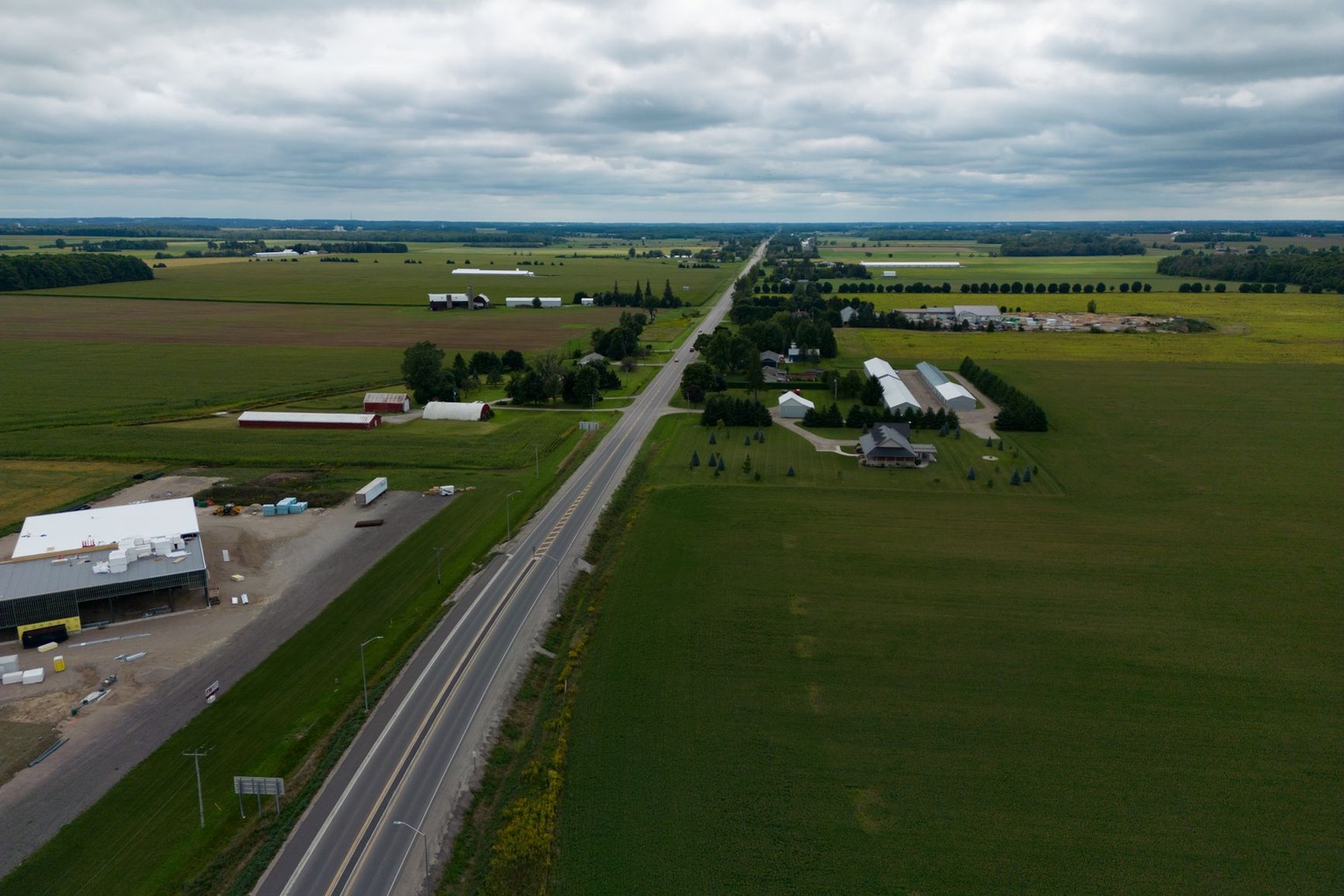
Planning a quick escape from the urban grind often leads travelers to the same crowded hotspots, but the most rewarding Ontario getaways hide in plain sight across the southern reaches of the province. These destinations trade tourist density for authentic character, offering lakefront charm, culinary depth, and outdoor access without the three-hour traffic jam north to cottage country. The sweet spot lies within a ninety-minute radius of the Greater Toronto Area, where secondary highways open into rolling farmland, historic port towns, and conservation areas that feel worlds away. This breakdown analyzes ten underrated locations through the lens of logistics, seasonal viability, and experience density so you can match a destination to your specific weekend window.
Drive-Time Geometry and the Ninety-Minute Threshold
The psychology of a city escape shifts dramatically once the drive exceeds ninety minutes because that marker separates a true weekend recharge from a transit endurance test. Towns like Paris, St. Jacobs, and Port Perry sit comfortably inside this radius, delivering a palpable scenery change before the car seats get cold. Pushing past two hours into the Kawarthas or Haliburton introduces variables like construction bottlenecks on Highway 400 or Friday afternoon gridlock leaving the 401, which can add forty unpredictable minutes to a nominal trip. Smart planners treat the drive as part of the itinerary, targeting departures before 7 AM or after 10 AM to sidestep the commuter crush, and they always map a scenic return route on County Road 2 or the Niagara Parkway to decompress before hitting the expressway again.
Fuel costs and vehicle wear become non-trivial factors when calculating the real price of a micro-vacation. A round trip to Prince Edward County burns roughly sixty liters in a mid-size SUV, adding ninety dollars to the budget before a single meal is purchased. Closer alternatives such as the Twenty Valley or the Beaver Valley slash that overhead by half while delivering comparable vineyard density and trail access. Electric vehicle owners gain an extra layer of flexibility because Level 3 chargers now anchor most downtown cores in these smaller municipalities, turning a coffee stop into a full battery top-up. The analytical takeaway is simple: optimize for drive-time variance, not just distance, and the weekend expands by three usable hours.
Waterfront Access Without the Muskoka Premium
Lakefront real estate drives the popular imagination, but the Georgian Bay price premium pushes many weekenders toward overlooked shorelines on Lake Erie and Lake Ontario. Port Stanley maintains a Blue Flag beach with warm shallow water by late June, yet its main strip clears out by 6 PM when day-trippers leave, leaving sunset patios half-empty for overnight guests. Further west, Erieau and Port Burwell offer sand spits and dune systems that rival Pinery Provincial Park but operate at thirty percent capacity on summer weekends. The trade-off is cooler water temperatures and fewer natural harbors, which means powerboats stay away and paddlers dominate the near-shore zone.
Harbor infrastructure dictates the evening economy more than beach quality. Towns with active marinas, think Port Dover, Goderich, or Southampton, sustain a critical mass of restaurants and live music venues that survive past Labour Day. In contrast, pure beach communities often shutter by mid-September, turning a fall escape into a ghost-town experience. Savvy travelers check the municipal wharf webcam on a Friday afternoon; if transient slips are full and the launch ramp has a queue, the local economy is humming and the dinner options will be open. That single visual proxy saves hours of review mining on travel forums.
Ontario Getaways Built Around Culinary Density
Food-focused itineraries collapse or succeed based on the walkability cluster of producers, not the Michelin status of a single restaurant. The Twenty Valley corridor between Jordan and Vineland packs twelve wineries, three craft cideries, a distillery, and a cheese shop into a six-kilometer loop that is bikeable on paved shoulders. Compare that to Prince Edward County where forty kilometers separate the nearest tasting rooms, demanding a designated driver or expensive shuttle logistics. High culinary density lowers the friction of discovery; you taste five distinct pinot noirs before lunch instead of spending that time navigating county roads.
On the Epic Escapades channel, they cover the top destinations in the province, and you can watch it right here.

Seasonal menu volatility separates genuine farm-to-table operations from marketing veneer. In early June, asparagus and strawberry menus dominate the Niagara bench; by late July, stone fruit and sweet corn take over; October brings squash, game meats, and late-harvest riesling. A destination that prints the same menu year-round is sourcing from the same broadline distributor as the city. The analytical traveler calls ahead and asks the chef what arrived from the farm that morning; a specific answer, “Lobenthal Farms baby beets, picked at dawn”, signals a supply chain shorter than fifty kilometers. That granularity turns a good meal into a data point on regional terroir.
Trail Architecture and Shoulder-Season Resilience
Trail systems designed for multi-use durability extend the visitation window far beyond the July-August peak. The Hamilton-Brantford Rail Trail uses a limestone screenings base that drains within hours of heavy rain, keeping cyclists and hikers moving when clay-based single-track in the Dundas Valley turns to peanut butter. Similarly, the Great Lakes Waterfront Trail segments through Port Credit and Oakville are plowed in winter, creating a rare twelve-month recreation corridor. Understanding surface composition and maintenance schedules lets you book a November weekend with confidence that the primary activity won’t be canceled by weather.
Elevation profile matters more than distance for time-constrained visitors. The Dundas Peak loop delivers three distinct lookouts in four kilometers with two hundred meters of cumulative gain, a density of reward that the Bruce Peninsula cannot match without a full-day commitment. High reward-per-kilometer trails allow a Saturday morning hike, a shower, and a 1 PM reservation at a farm-to-table restaurant, all before the afternoon crowd arrives. The strategic move is to target conservation areas with stacked loop options so you can calibrate effort to energy level on the day without driving to a second trailhead.
Heritage Architecture as an Economic Anchor
Towns that preserved their nineteenth-century commercial cores, Paris, Elora, Fergus, St. Marys, now leverage that streetscape as a primary economic engine. Limestone storefronts with intact cornices and second-floor windows create a visual coherence that no new development can replicate, and they attract film crews whose location fees fund further restoration. The feedback loop is measurable: Paris averages twelve production days per year, injecting six-figure sums into the local business improvement area. Visitors benefit indirectly through streetscape maintenance budgets that keep sidewalks wide, lighting period-appropriate, and planters seasonal.
Adaptive reuse projects signal which communities are investing in longevity versus extraction. The Elora Mill restoration converted a derelict grist operation into a seventy-room hotel with a destination spa, anchoring the gorge-side economy year-round. In contrast, towns that sold waterfront industrial land for generic condo towers lost the spatial logic that made them distinctive. Walk the main street at 10 AM on a Tuesday; if independent retailers outnumber chains three to one and the upper floors show residential conversion rather than vacancy, the heritage fabric is financially functional. That observation predicts whether your Saturday night spend circulates locally or leaks to a REIT headquartered in Toronto.
Event Calendars and the Shoulder-Season Multiplier
A well-programmed festival calendar smooths the revenue cliff that kills small-town hospitality businesses after Thanksgiving. The Stratford Fall Fair, the Elora Festival, and the Niagara Wine Festival each draw twenty to forty thousand attendees over compressed weekends, but the real value lies in the micro-events: weekly farmers markets, Thursday night concert series, studio tours. These low-overhead gatherings maintain weekend occupancy at sixty percent through October and November, keeping restaurants staffed and inventory fresh. Travelers who align a visit with a studio tour gain studio access impossible during the summer crush, plus lodging rates twenty percent below peak.

Data-driven planning requires checking the municipal event API or tourism board calendar six weeks out, not the week before. Signature events book the last boutique rooms by March, but secondary events, a cider tasting in Meaford, a garlic festival in Stratford, often have capacity until ten days prior. The analytical edge goes to the traveler who subscribes to three regional newsletters and sets a calendar alert for ticket drops. That discipline converts a reactive scramble into a curated itinerary with confirmed reservations and a buffer for spontaneity.
Lodging Typology and the Authenticity Metric
The shift from motels to boutique inns and luxury glamping rewrote the economics of rural hospitality, but not all conversions honor the building envelope. A century-old limestone inn that added en-suite bathrooms without soundproofing the original pine floors transmits every footstep to the room below, a flaw no amount of Frette linens can mask. Conversely, purpose-built glamping pods on a vineyard slope, insulated, heated, with private fire pits, deliver a consistent thermal and acoustic experience that heritage retrofits struggle to match. The authenticity metric is not age; it is whether the sleep environment respects the physiological needs of rest after a day of hiking or tasting.
Inventory depth determines bargaining power. Towns with fewer than fifteen total rooms, think Bayfield or Merlin, operate as a de facto monopoly on long weekends, commanding three-night minimums and dynamic pricing that exceeds downtown Toronto luxury hotels. Destinations with fifty-plus units across inns, B&Bs, and campgrounds, Niagara-on-the-Lake, Collingwood, Blue Mountains, force competition that yields last-minute deals and flexible cancellation policies. The strategic traveler books refundable rates in deep-inventory markets and non-refundable only in scarce-inventory markets after confirming the weather window. That portfolio approach minimizes sunk cost while maximizing optionality.

I have spent years uncovering the hidden gems and scenic routes across Southern Ontario, from the vineyards of Niagara to the rugged trails of the Bruce Peninsula. My weekends are dedicated to road trips and finding the perfect local diner or cabin stay. I love sharing the diverse beauty and relaxation opportunities found right here in the region.