Overview of Provincial Parks in Southern Ontario
Southern Ontario is home to a remarkable network of provincial parks that serve as vital natural reserves and recreational havens. These parks are spread across the region, encompassing diverse landscapes from lush forests and wetlands to scenic lakeshores and rolling hills. The provincial parks in Southern Ontario not only offer residents and visitors opportunities for outdoor activities such as hiking, camping, fishing, and bird watching, but they also play an essential role in conserving the province’s unique ecosystems and biodiversity.
The geographic distribution of these provincial parks is strategic, ensuring that natural habitats are protected across a variety of environments. From larger, well-known parks like Algonquin and Point Pelee to smaller, lesser-known natural areas, each park contributes to a broad network of protected lands. This helps maintain ecological balance by preserving critical habitats for wildlife species native to the region and safeguarding water quality through the protection of watersheds.
Provincial parks in Southern Ontario highlight the importance of balancing conservation goals with recreational use. They are managed to provide visitors with access to the natural beauty and outdoor experiences while minimizing human impact on the environment. Through education programs, well-maintained trails, and regulated camping sites, these parks encourage responsible enjoyment that supports long-term sustainability.
In addition to protecting flora and fauna, the provincial parks contribute to the cultural and social fabric of Southern Ontario by offering spaces for families and communities to connect with nature. Whether it is a weekend getaway or a day trip, these parks are cherished destinations that nurture physical health, mental well-being, and environmental awareness. Overall, the provincial parks of Southern Ontario form a crucial part of the region’s natural heritage and continue to be a cornerstone for conservation and recreation.
Geography and Climate of Southern Ontario Parks
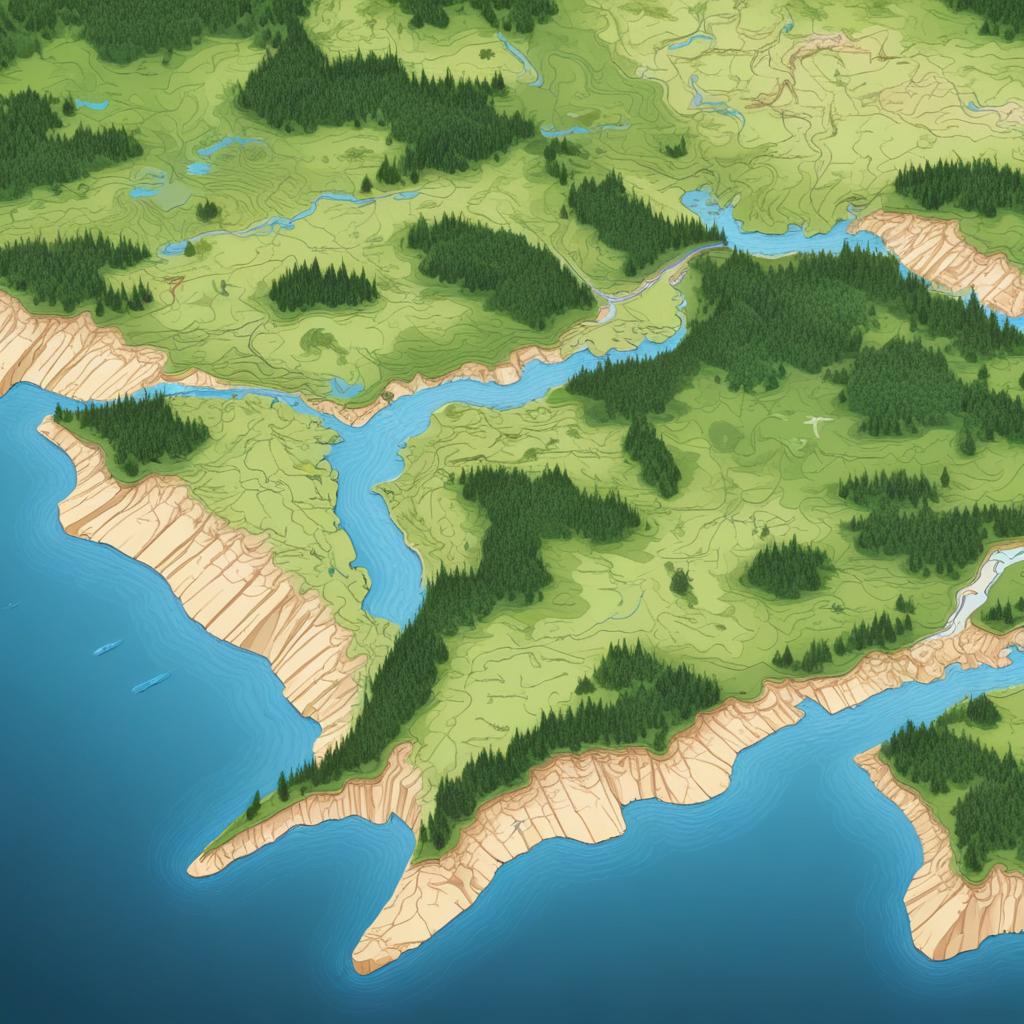
Southern Ontario’s provincial parks are characterized by diverse geographic features including rolling hills, extensive forests, fertile plains, and numerous freshwater lakes and rivers. The region sits largely on the Canadian Shield and Great Lakes-St. Lawrence Lowlands, which shape the unique environment of these parks. The presence of the Great Lakes plays a significant role in moderating the climate, resulting in relatively mild winters and warm, humid summers compared to other parts of Canada.
The climate of Southern Ontario parks is classified as humid continental, which supports a rich park environment teeming with varied plant and animal species. Seasonal temperature fluctuations and reliable precipitation create ideal conditions for mixed forests dominated by maple, oak, and pine trees. This diverse geography and climate foster high biodiversity, offering habitats to many bird species, mammals, amphibians, and aquatic life.
These geographic and climatic conditions influence park activities significantly. In summer, warm temperatures and accessible waterways encourage swimming, hiking, canoeing, and camping. The cooler months allow for activities such as cross-country skiing and snowshoeing, adapted to the mild yet snowy winters. Understanding the interplay between geography and climate in Southern Ontario parks helps visitors appreciate the natural beauty and plan activities that align with the dynamic park environment year-round.
History and Development of Provincial Parks
The history of provincial parks in Southern Ontario is rich and deeply intertwined with the broader goals of conservation and recreation. The establishment of Ontario parks dates back to the late 19th and early 20th centuries when the provincial government recognized the need to preserve natural landscapes amid expanding industrialization and urban growth. Early park development focused on protecting iconic wilderness areas while also providing spaces for public enjoyment and outdoor activities.
One of the major milestones in the history of Ontario parks was the creation of Algonquin Provincial Park in 1893, which is often considered the flagship of provincial park development. It set a precedent for conservation efforts by emphasizing the protection of diverse ecosystems and wildlife. Following Algonquin, numerous other provincial parks were established across Southern Ontario, highlighting the commitment to preserving the region’s natural heritage.
Throughout the 20th century, park development in Southern Ontario evolved to balance environmental stewardship with public access. Efforts to conserve unique habitats, protect endangered species, and maintain ecological integrity have been central to park management strategies. These initiatives reflect an ongoing dedication to safeguarding natural spaces for future generations while enhancing visitor experiences through sustainable facility development and educational programs.
Today, the history and development of Ontario parks showcase an enduring legacy of conservation and public engagement, underscoring the province’s role as a leader in protecting valuable natural resources and promoting outdoor recreation.
Top Provincial Parks to Visit in Southern Ontario
Southern Ontario is home to some of the top parks that draw visitors from near and far, offering a rich blend of natural beauty, outdoor activities, and unique landscapes. Whether you’re seeking serene lakes, dense forests, or scenic trails, the best parks in Southern Ontario provide exceptional visitor attractions that cater to all interests.
One of the most popular parks is Algonquin Provincial Park, known for its vast wilderness, abundant wildlife, and excellent canoeing routes. This park is a favorite destination for adventure enthusiasts who enjoy hiking, camping, and birdwatching. Algonquin’s diverse ecosystem and striking autumn colors make it a must-visit in the region.
Another top park is Pinery Provincial Park, situated along the shores of Lake Huron. It stands out with its unique sand dunes and the beautiful beaches that provide ideal spots for swimming, fishing, and picnicking. Visitors love exploring the park’s extensive network of trails, great for biking and hiking while enjoying spectacular views.
Fanshawe Conservation Area is also highly recommended, offering an array of activities such as boating, horseback riding, and birdwatching. This park’s combination of open fields, woodlands, and water features creates a perfect setting for family outings and nature photography, making it one of the most beloved parks in Southern Ontario.
For those seeking something off the beaten path, Bon Echo Provincial Park features the iconic Mazinaw Rock, which towers over Mazinaw Lake with over 260 Indigenous pictographs. This park is ideal for rock climbing, kayaking, and exploring culturally significant sites, adding an enriching dimension to any visit.
These popular parks stand out not just for their scenic beauty but also for their unique natural attractions and well-maintained facilities. They represent the best parks Southern Ontario has to offer, perfect for visitors looking to connect with nature, engage in recreational activities, and experience the tranquility of the outdoors.
Algonquin Provincial Park
Algonquin Park is one of Southern Ontario’s most cherished provincial parks, renowned for its stunning natural beauty and outdoor recreational opportunities. Popularly known as Algonquin Provincial Park, it offers an exceptional destination for camping enthusiasts seeking a genuine wilderness experience. The park boasts numerous campgrounds ranging from car-accessible sites to remote backcountry spots, allowing visitors to immerse themselves in tranquil forest settings.
For hikers, Algonquin Park features an extensive network of hiking trails suitable for all skill levels. Trails meander through lush forests, around pristine lakes, and along scenic ridges, providing countless opportunities to explore the diverse landscapes. Whether you prefer short nature walks or challenging multi-day treks, the park’s trails deliver breathtaking views and encounters with the natural environment.
Wildlife viewing is another highlight of Algonquin Park. The park is home to a rich variety of species, including moose, deer, beavers, and a wide array of birdlife. Early morning and dusk are ideal times for spotting animals in their natural habitat. Visitors are encouraged to bring binoculars and cameras to capture these unforgettable moments. Together, camping, hiking, and wildlife viewing make Algonquin Park a must-visit destination for nature lovers and adventure seekers alike.
Point Pelee Provincial Park
Point Pelee Provincial Park stands out as a key destination in Southern Ontario due to its remarkable natural features and abundant wildlife. Its unique wetlands are some of the most important ecosystems in the region, providing critical habitat for a diverse range of plant and animal species. These wetlands serve as vital resting and feeding grounds for migratory birds, making the park a premier location for birdwatching enthusiasts. Each year, thousands of birdwatchers visit Point Pelee to witness the spectacular migration of songbirds, raptors, and waterfowl, creating unforgettable experiences for nature lovers and photographers alike.
Beyond birdwatching, the park boasts an extensive network of nature trails that allow visitors to immerse themselves in the serenity of its forests, marshes, and meadows. These trails offer opportunities for hiking, wildlife spotting, and peaceful walks surrounded by the vibrant sounds and sights of nature. The carefully maintained paths ensure that visitors can explore without disturbing the delicate balance of the ecosystem. Point Pelee’s combination of unique wetlands, rich birdlife, and accessible nature trails makes it an indispensable destination for anyone seeking to connect with Southern Ontario’s natural beauty.
Killbear Provincial Park
Killbear Provincial Park is a stunning natural destination renowned for its dramatic rocky shorelines that stretch along the Georgian Bay. These unique shorelines provide picturesque views and countless opportunities for exploration, making Killbear Park a favorite spot for nature lovers and photographers alike. The park’s clear waters invite visitors to engage in various water activities such as swimming, kayaking, and canoeing. Whether you are paddling across the calm bays or splashing along the sandy beaches, the vibrant aquatic environment at Killbear ensures endless fun and adventure.
In addition to its water-based recreation, Killbear Provincial Park offers excellent family camping facilities ideal for campers of all ages. Spacious campgrounds are equipped with convenient amenities to ensure a comfortable stay amidst the wilderness. Families can enjoy the serene atmosphere while children explore the natural surroundings in safety. The park’s picnic areas, playgrounds, and hiking trails provide additional recreational options for all members of the family to enjoy quality time together. With a blend of natural beauty and family-friendly amenities, Killbear Park is a perfect getaway for those seeking both outdoor excitement and relaxation.
Planning Your Visit to Southern Ontario Provincial Parks
When planning your visit to Southern Ontario provincial parks, timing is key to maximizing enjoyment. The best times to visit are late spring through early fall, typically from May to September, when the weather is warm and the parks’ natural beauty is in full bloom. Spring showcases vibrant wildflowers, while summer offers ideal conditions for water activities and hiking. Fall brings colorful foliage, perfect for scenic walks and photography. Winter visits are less common but offer unique experiences like cross-country skiing and snowshoeing in select parks.
To make the most of your visit, consider the variety of park activities available. Many parks offer hiking trails ranging from easy strolls to challenging treks, perfect for all skill levels. Water activities such as canoeing, kayaking, and swimming are popular during warmer months, with many parks providing rental options. Birdwatching and wildlife spotting are rewarding year-round. Some parks have designated picnic areas and playgrounds, making them perfect for family outings. Don’t forget to check if there are any special events or educational programs during your visit, as these can enrich your experience.
Reservations are essential during peak seasons to secure camping spots, day-use areas, or equipment rentals. Booking well in advance via the Ontario Parks reservation system ensures availability and helps you avoid disappointment, especially on weekends and holidays. Many parks also require permits for certain activities, so it’s wise to review the visitor information for the specific park you plan to visit.
Safety should always be a priority when visiting provincial parks. Familiarize yourself with park rules and guidelines, such as respecting wildlife, staying on trails, and following fire safety protocols. Bring sufficient water, sunscreen, insect repellent, and appropriate clothing for the weather. It’s also advisable to carry a map and a fully charged phone, as cell service can be spotty in remote areas. Lastly, inform someone about your plans if venturing on longer hikes or camping overnight.
By planning ahead, understanding the variety of park activities, making necessary reservations, and following travel tips and safety advice, your visit to Southern Ontario provincial parks will be a memorable and enjoyable outdoor adventure.
Best Seasons and Weather Considerations
The best time to visit provincial parks in Southern Ontario is typically during the spring, summer, and early fall months. Each season offers unique experiences and weather conditions that can greatly affect your park visits. Spring brings blooming flowers and lush greenery, with temperatures ranging from cool to mild, making it an excellent time for hiking and wildlife watching. However, be prepared for occasional rain showers during this season.
Summer is the peak season for these parks, with warm and often humid weather. This is the best time to enjoy water activities, camping, and extended outdoor adventures. Daytime temperatures usually reach into the mid-20s to low 30s Celsius (70s to 80s Fahrenheit), but evenings can be cooler. It’s advisable to bring sun protection and stay hydrated during your visits in summer.
Early fall offers some of the most breathtaking scenery as the leaves change color. The weather is generally mild and comfortable, making it another ideal time to explore. However, temperatures can vary widely, so layering clothing is a good idea. Rain and wind may also be more common during this transition period.
Winter visits are less common but can be rewarding if you enjoy winter sports and snow-covered landscapes. Weather tips for winter include dressing warmly in layers and preparing for icy or snowy trails. Overall, understanding the best time to visit and weather considerations can help you make the most of your park visits throughout the year.
Facilities and Services Available
Southern Ontario provincial parks offer a range of park facilities and services designed to enhance visitor experiences and ensure comfort and accessibility for all. Most parks feature well-maintained visitor centers that serve as a hub for information, maps, and guidance on park activities and safety. These centers often include interactive exhibits and knowledgeable staff ready to assist with trip planning and answer questions about the local environment.
Restrooms and washroom facilities are commonly available at key locations throughout the parks, providing convenience for families and travelers. These facilities are regularly cleaned and sometimes equipped with showers, especially in campgrounds. Accessibility options are a priority, with many parks offering paved trails, wheelchair-accessible picnic areas, and specially designed accommodation to ensure all guests can enjoy the natural surroundings without barriers.
Other amenities frequently found include picnic tables, designated fire pits, and playgrounds, making the parks suitable for both day visits and extended stays. Some locations provide boat launches, fishing docks, and rental services for equipment like canoes and bikes, catering to outdoor activities enthusiasts. Overall, the comprehensive services and facilities available help create a welcoming environment for visitors of all ages and interests throughout Southern Ontario’s provincial parks.
Safety and Conservation Guidelines
Visiting provincial parks in Southern Ontario is a wonderful way to connect with nature, but it comes with the important responsibility of following safety tips and park guidelines. Always prepare ahead by checking weather conditions, bringing sufficient water, and wearing appropriate clothing and footwear. Staying on marked trails helps protect fragile ecosystems and reduces the risk of encountering wildlife unexpectedly. Remember that visitor responsibility extends to respecting park signs and rules, including designated camping areas and fire regulations.
Conservation rules play a vital role in preserving the natural beauty and biodiversity of these parks. Avoid disturbing plants and animals, and never feed wildlife, as this can disrupt their natural behaviors. It is equally crucial to pack out all trash and dispose of waste properly to keep the environment clean. When enjoying water activities, follow all safety guidelines to avoid accidents and maintain clean water sources.
By adhering to these safety precautions and conservation guidelines, visitors help protect the park’s ecosystems for future generations. Embracing visitor responsibility not only ensures a safe and enjoyable experience but also fosters respect for nature and wildlife habitats. Together, these efforts support the long-term sustainability of Southern Ontario’s provincial parks.

I have spent years uncovering the hidden gems and scenic routes across Southern Ontario, from the vineyards of Niagara to the rugged trails of the Bruce Peninsula. My weekends are dedicated to road trips and finding the perfect local diner or cabin stay. I love sharing the diverse beauty and relaxation opportunities found right here in the region.