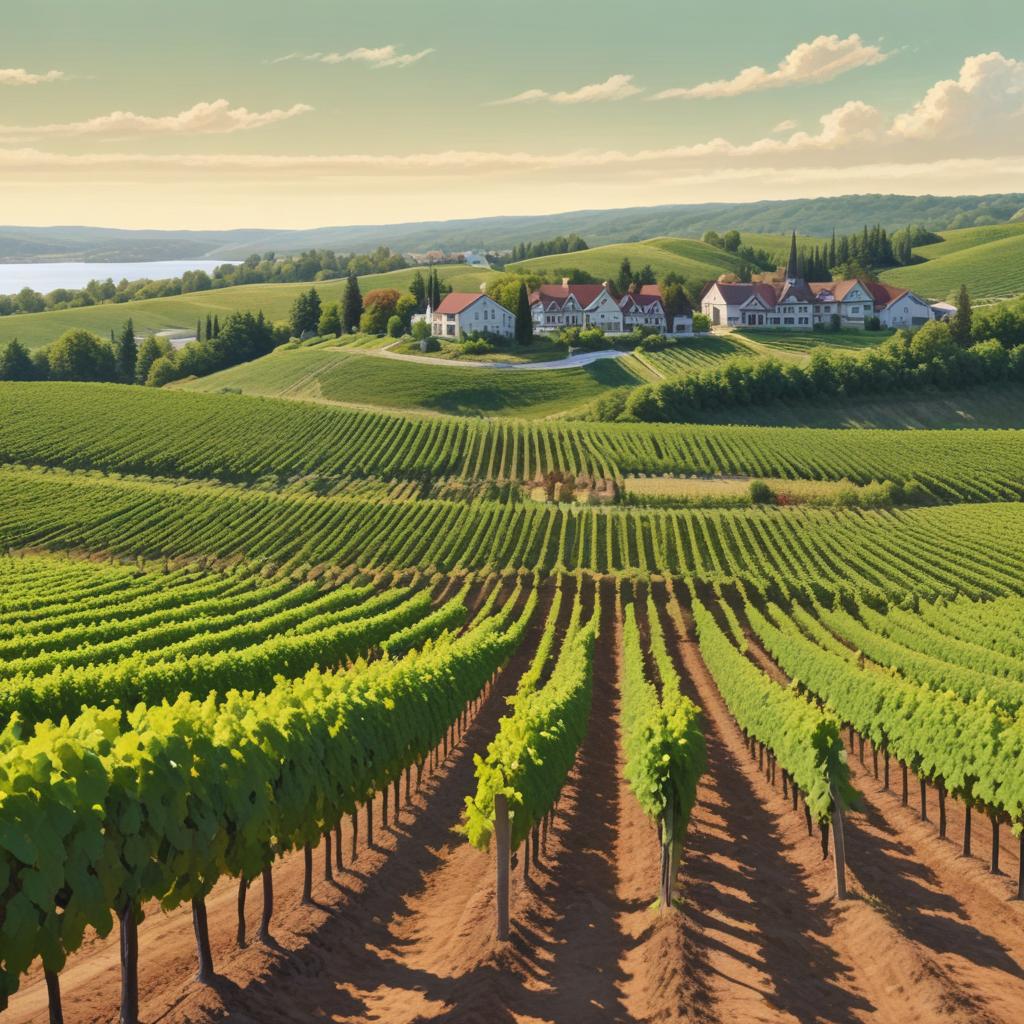
Overview of Southern Ontario Wine Regions
Southern Ontario stands as a prominent wine-producing area in Canada, boasting a unique combination of climate, geography, and a rich tradition in viticulture that distinguishes it within the Canadian wine industry. The region’s diverse terroir supports an impressive variety of grape varieties that thrive in its distinctive growing conditions. Key wine regions Ontario benefit from this advantageous setting, making Southern Ontario a cornerstone of the country’s vineyard landscape.
The climate of Southern Ontario plays a critical role in its success as a wine region. Characterized by a cool climate moderated by the Great Lakes, this area experiences warm summers and cold, but relatively short winters. The lakes act as natural temperature regulators, reducing the risks of early frosts and extending the growing season. This climatic moderation allows vineyards to produce wines with balanced acidity and vibrant flavors, highly sought after in both domestic and international markets.
Geographically, Southern Ontario is blessed with varied landscapes including rolling hills, limestone-rich soils, and well-drained escarpments that provide ideal conditions for viticulture. Some of the most notable Ontario vineyards are situated on the Niagara Peninsula, Prince Edward County, and the Lake Erie North Shore. These areas offer diverse soil profiles and microclimates, allowing for the cultivation of a broad spectrum of grape varieties ranging from aromatic whites to robust reds.
The significance of Southern Ontario wine extends beyond its physical attributes. The region has become a vital hub in the Canadian wine industry, contributing a substantial portion of the nation’s wine production. Its wineries are recognized for innovation and quality, often winning awards and gaining prestige on the world stage. Moreover, Southern Ontario’s wine regions attract tourism and foster a strong community of passionate winemakers, sommeliers, and wine enthusiasts, further elevating its status.
Overall, Southern Ontario wine regions illustrate the harmony between climate, geography, and human expertise. This synergy continues to propel the region as a leader in Canadian viticulture and a top destination for wine lovers exploring Ontario vineyards and the rich tapestry of flavors they produce.
Climate and Geography Impacting Wine Production
The climate in Southern Ontario plays a crucial role in shaping the characteristics of its wine production. This region benefits from a unique microclimate influenced by the Great Lakes, which moderate temperatures and create ideal conditions for growing wine grapes. The proximity to Lake Ontario, Lake Erie, and Lake Huron reduces the risk of frost during the growing season, extending the period available for grapevine development and ripening. This extended growing season is vital for achieving optimal sugar levels and balanced acidity in wine grapes.
Geography also significantly impacts vineyard success in Southern Ontario. The area’s diverse topography includes rolling hills, escarpments, and well-drained soils, which are ideal for viticulture. These geographic features promote air drainage and prevent waterlogging, which can be detrimental to grapevines. The varied elevation and soil composition allow winemakers to cultivate different grape varieties suited to specific vineyard plots, enhancing the complexity and quality of the wines produced.
Together, the climate and geography create an environment that supports healthy wine grapes growth, enabling vintners to craft distinctive wines with rich flavor profiles. Understanding these natural factors helps growers optimize vineyard management practices tailored to Southern Ontario’s conditions, contributing to the region’s reputation as a notable wine-producing area.
Historical Development of Southern Ontario Wineries
The history of Ontario wine is a rich tapestry marked by significant milestones and steady growth that have shaped the region into a prominent wine-producing area. The beginnings of wineries development in Southern Ontario date back to the early 19th century when European settlers planted the first vineyards. Despite early challenges posed by the climate, innovative vintners gradually adapted, paving the way for a sustainable wine industry.
The 1970s heralded a transformative era for Canadian wine history, particularly in Southern Ontario. This period saw the introduction of modern viticultural techniques and government support, which facilitated quality improvements and increased production scale. Wineries started to gain international recognition as the region’s diverse terroir and cool climate proved ideal for producing distinctive wines, especially ice wines.
Over the decades, the wineries development accelerated, with Southern Ontario now home to hundreds of wineries and vineyards, each contributing to the area’s vibrant wine culture. Today, the region balances tradition and innovation, celebrating its historic roots while embracing new trends in sustainable and organic wine production, securing its place in Canadian wine history as a leader in quality and diversity.
Main Wine Regions in Southern Ontario
Southern Ontario is renowned for its diverse and dynamic wine regions, each offering unique terroirs and wine styles primarily centered around three main areas: the Niagara Peninsula, Prince Edward County, and Lake Erie North Shore. These regions benefit from distinct climatic conditions and soil profiles that shape the character of their wines.
The Niagara Peninsula is the most prominent and established wine region in Southern Ontario. It enjoys a cool climate moderated by the presence of Lake Ontario and Lake Erie, which helps create an ideal environment for growing a variety of grape varieties, especially cool-climate whites and ice wines. This region is known for its rolling hills and diverse soil types, which contribute to the complexity of its wines. Vineyards here produce excellent chardonnay, riesling, and pinot noir, with many wineries well known for their ice wine production, a specialty of the region that attracts global acclaim.
Prince Edward County, located along the northern shore of Lake Ontario, is a younger but rapidly growing wine region known for its limestone-rich soils and a climate heavily influenced by the lake. These factors create an excellent microclimate for viticulture, especially for cool-climate grape varieties. Prince Edward County wines frequently exhibit crisp acidity and elegant structure. The region has gained a reputation for producing refined chardonnays and pinot noirs that reflect its cool maritime climate, alongside innovative, boutique-style wineries focused on sustainable practices.
Lake Erie North Shore is the southernmost wine region in Ontario and benefits from the warmest climate in the province, thanks to its proximity to Lake Erie. This region experiences a longer growing season, allowing for the cultivation of a wider range of grape varieties, including some that thrive in warmer conditions such as cabernet franc and merlot. The soils of the Lake Erie North Shore are well-drained and diverse, contributing to the distinctiveness of the wines produced here. Wineries in this area are known for their bold reds as well as fruity whites, offering a contrast to the cooler and more delicate styles found in the northern regions.
Together, these three regions—Niagara Peninsula, Prince Edward County, and Lake Erie North Shore—form the backbone of Southern Ontario’s vibrant wine industry. Each region’s unique characteristics offer wine lovers a diverse palette of flavors and styles, making Southern Ontario a must-explore destination for enthusiasts seeking quality wines with a sense of place.
Niagara Peninsula Wine Region
The Niagara Peninsula is one of Canada’s premier wine regions, renowned for its unique terroir that greatly influences the distinctive quality of Niagara wine. Situated between Lake Ontario and Lake Erie, this region benefits from a moderated climate with long, warm days and cool nights that help grapes ripen slowly and develop complex flavors. The diverse soil composition, featuring clay, limestone, and shale, provides excellent drainage and rich minerals essential for vine health.
Niagara vineyards primarily cultivate varietals such as Riesling, Chardonnay, Cabernet Franc, Pinot Noir, and Merlot, each thriving in different parts of the peninsula. These grapes contribute to a broad range of wine styles, from crisp, refreshing whites and elegant rosés to full-bodied reds and sparkling wines. The cool climate and geology make the region particularly famous for its aromatic white wines and ice wines, which showcase intense sweetness balanced by acidity.
The Niagara Peninsula is home to numerous popular wineries that highlight the best of Canadian wine region craftsmanship. Notable names include Inniskillin, known internationally for its ice wines, and Peller Estates, which offers a blend of innovative and traditional wine-making techniques. Other acclaimed wineries such as Tawse and Thirty Bench are celebrated for their organic and biodynamic practices, producing wines that express the true character of the Niagara terroir.
Prince Edward County Wine Region
| Aspect | Details |
|---|---|
| Climate | Prince Edward County features a unique cool climate influenced by the moderating effect of Lake Ontario and Lake Erie, resulting in a long growing season ideal for cool-climate grape varieties. |
| Grape Varieties | Common varieties include Pinot Noir, Chardonnay, Riesling, and Pinot Gris, which thrive in the region’s cooler temperatures and well-drained limestone soils, producing elegant and complex wines. |
| Notable Wineries | Noteworthy wineries in Prince Edward County include Norman Hardie Winery, Rosehall Run Vineyards, and Hinterland Wine Company, all praised for their quality and innovation in winemaking. |
| Reputation | Prince Edward County wine has gained an emerging reputation as a leading Ontario wine region recognized for its distinctive cool-climate wines, attracting wine enthusiasts and experts alike. |
Lake Erie North Shore Wine Region
The Lake Erie North Shore wine region is renowned for its unique terroir, which plays a significant role in shaping the character of the wines produced here. Situated along the northern shores of Lake Erie, this Ontario wine region benefits from the lake’s moderating influence, which helps to extend the growing season and protect grapevines from early frosts. The area’s sandy, well-drained soils combined with the temperate climate create ideal conditions for cultivating a variety of wine grapes Lake Erie is famous for.
In terms of grape varietals, Lake Erie North Shore is particularly noted for its production of cool-climate grapes such as Riesling, Chardonnay, and Gamay, as well as ice wine varieties like Vidal and Cabernet Franc. These grapes thrive in the region’s distinctive microclimate, producing wines that showcase bright acidity, vibrant fruit flavors, and elegant minerality. This diversity in grape varieties highlights the adaptability and richness of the Ontario wine region.
The cultural impact of the Lake Erie North Shore wine region on the Canadian wine scene is significant. It has fostered a vibrant community of winemakers passionate about sustainable viticulture and innovative winemaking techniques. The region’s wineries host numerous events and tastings each year, attracting wine enthusiasts and tourists from across the country and beyond. As a result, Lake Erie North Shore continues to build its reputation as a cornerstone of Ontario’s dynamic wine industry.

I have spent years uncovering the hidden gems and scenic routes across Southern Ontario, from the vineyards of Niagara to the rugged trails of the Bruce Peninsula. My weekends are dedicated to road trips and finding the perfect local diner or cabin stay. I love sharing the diverse beauty and relaxation opportunities found right here in the region.