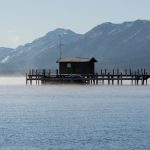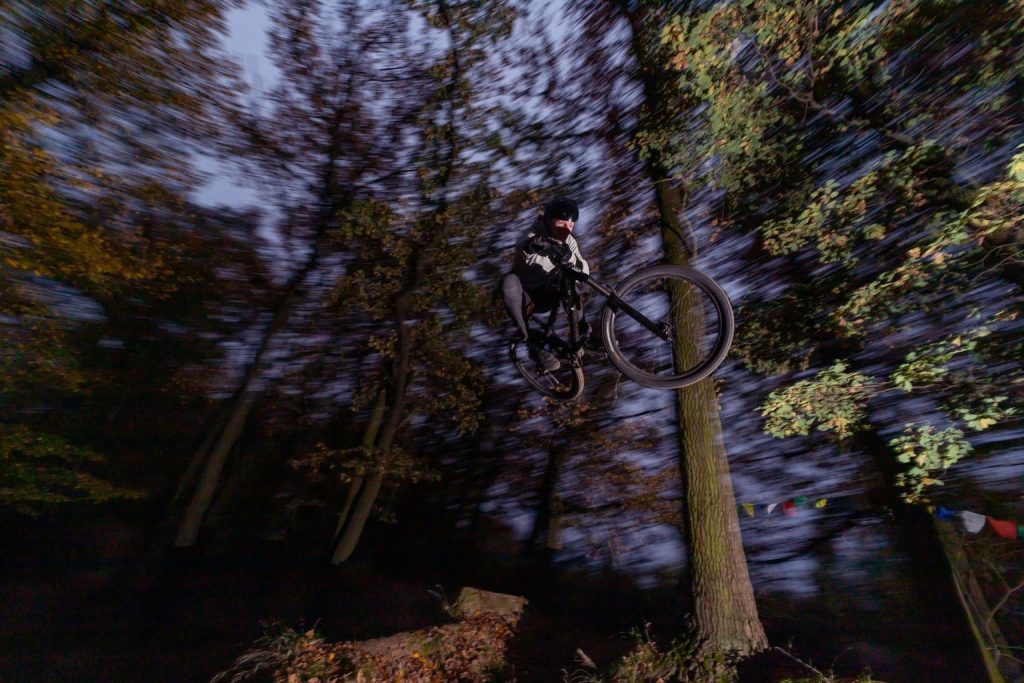
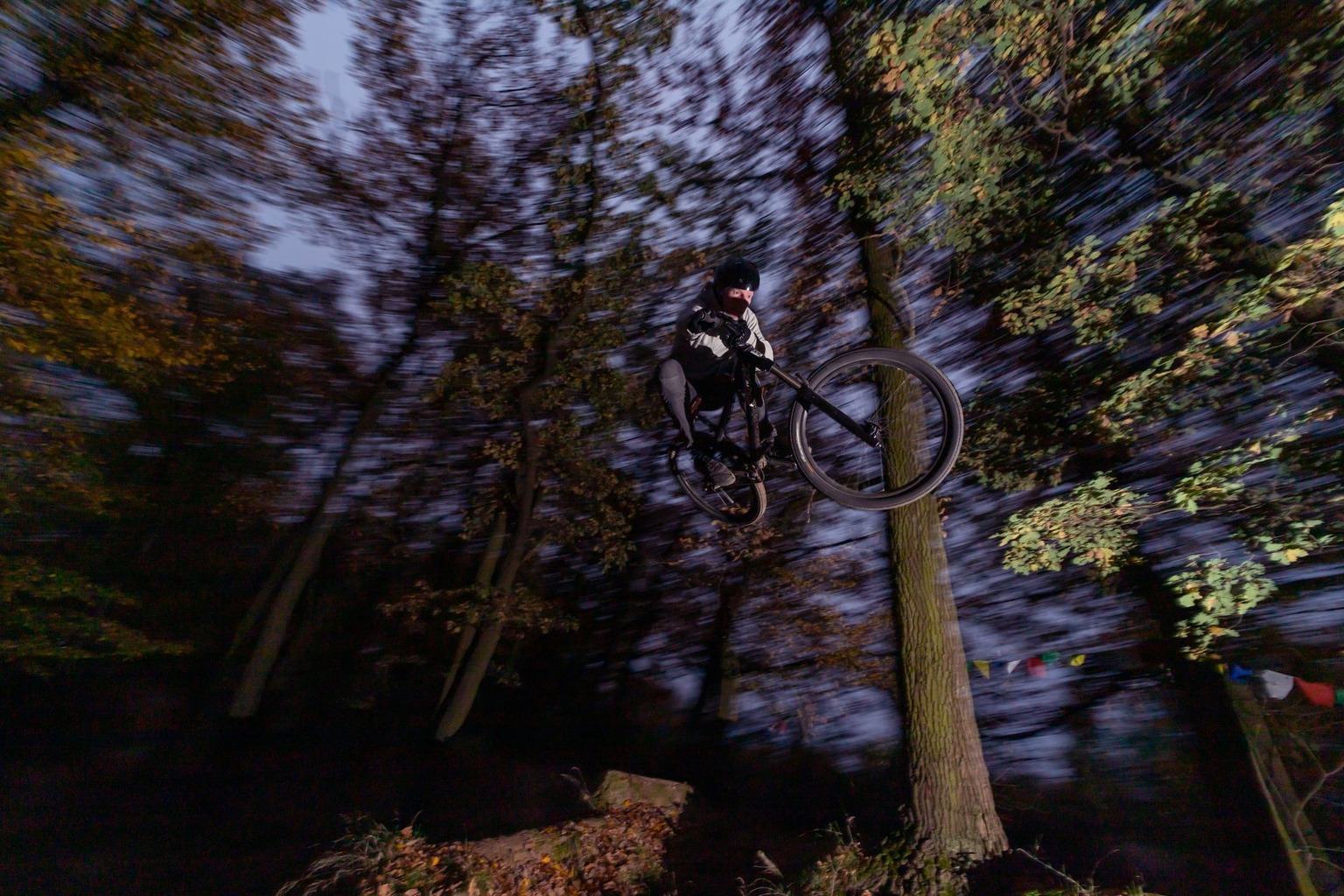
The Bruce Trail offers a cyclist’s dream, but five days demands strategy. I start in Dundas, where the trail kisses the Dundas Valley, a gentle introduction with paved sections perfect for shakedown miles. Day two pushes west to Hamilton, tackling the rugged Niagara Escarpment limestone, where the climbs test endurance and the descents reward with sweeping valley views. By day three, I’m in the rugged heart near Wiarton, navigating single-track that feels more mountain biking than trail walking, the forest canopy a constant companion. Day four sees the route hugging the rugged shoreline between Tobermory and Owen Sound, where the turquoise waters of Georgian Bay provide a stunning backdrop for long, steady pedaling. The final stretch loops back toward Toronto, finishing in the charming town of Port Credit, where a well-earned craft beer and a riverside sunset cap an unforgettable journey through Ontario’s wild heart.
Solo vs Group Cycling: Weighing Safety, Pace, and Local Interaction on the 5-Day Bruce Trail Route
Cycling the Bruce Trail alone offers a meditative rhythm that many riders crave, but it demands heightened situational awareness on Ontario’s most rugged terrain, 5-day Bruce Trail cycling route. Without a companion to share navigation decisions, the solo cyclist must constantly monitor road surfaces, wildlife crossings, and rapidly changing weather patterns that are common along the Niagara Escarpment. The 5-day itinerary requires precise pacing; pushing too hard on steep climbs like the Devil’s Punchbowl can lead to exhaustion before reaching the next waypoint, while lingering too long in charming towns like Dundalk risks cutting into essential rest days. Solo travelers often find they absorb more of the local culture simply because they are more approachable, striking up conversations with farmers market vendors or bed-and-breakfast owners who might otherwise ignore a noisy group. This intimate connection with the landscape and its people transforms a physical challenge into a personal journey, though it requires the discipline to self-sufficiently manage mechanical issues and hydration without a partner’s support.
Group cycling on the Bruce Trail introduces a social dynamic that can either elevate the adventure or become its greatest obstacle, depending on the riders’ chemistry and experience levels. A well-organized peloton can average 15 to 20 kilometers per hour on flat sections, allowing the group to cover significant distance while sharing the burden of scouting ahead for hazards like loose gravel or sudden descents. However, the pace is inevitably dictated by the slowest member, which can frustrate stronger riders eager to push their limits on technical singletrack near Harrison Lake. Interaction with locals shifts from spontaneous encounters to curated experiences; groups are often perceived as a single entity, making it harder to initiate brief chats with shopkeepers or residents along the route. While the camaraderie of sharing a campsite or a post-ride meal at a place like the Blue Mountain Village creates lasting memories, the group setting can sometimes mute the solitary reflection that makes the Bruce Trail’s wilderness sections truly transformative.
Bike Rental Options Compared: Road vs Hybrid vs E-Bike Tradeoffs for Southern Ontario’s Bruce Trail Adventure
The Bruce Trail’s rolling hills and rugged terrain demand a bike that balances speed, comfort, and durability, three qualities that a standard road bike simply can’t provide without sacrificing too much stability. A road bike’s narrow tires and aggressive geometry excel on paved roads, but Southern Ontario’s mixed-surface sections, including gravel paths and root-laden forest trails, will leave you bouncing uncomfortably. Hybrid bikes, with their wider tires and upright seating position, offer a middle ground, absorbing shocks better and handling rough patches with more grace. For example, a hybrid like the Trek FX 2 with 35mm tires will smooth out the jolts from the trail’s rocky outcrops near Bruce Peninsula National Park, where loose gravel and uneven footing are common. The tradeoff is speed, hybrids are slower on flat stretches than road bikes, but on the Bruce, where elevation changes can climb up to 1,000 feet over 50 kilometers, that sacrifice often feels worth it to avoid fatigue.
E-bikes, however, flip the script entirely by turning the Bruce Trail’s challenges into an asset rather than a liability. Models like the Specialized Turbo Vado or Giant Explore E+ deliver 250 watts of assistance, making the trail’s steep climbs, such as the infamous ascent to the top of the Bruce Peninsula’s Grotto Trail, feel like a leisurely cruise. The battery life typically lasts 50 to 80 kilometers on a single charge, which is perfect for a 5-day trip where you might cover 100 to 150 kilometers daily. Yet, e-bikes aren’t without drawbacks: their weight (often 25 to 30 kilograms) can be cumbersome when navigating tight switchbacks, and the cost, starting at $2,500, adds up quickly if you’re not already invested in cycling gear. For riders who prioritize endurance over efficiency, a hybrid with a front suspension fork, like the Cannondale Quick, might be the smarter choice, offering a lighter frame and better handling without the battery’s added bulk.
Accommodation Strategies: Camping vs Lodges vs Glamping, Balancing Cost, Comfort, and Trail Proximity
For a five-day ride along the Bruce Trail, where every mile matters and rest stops can make or break your rhythm, accommodation choices aren’t just about where you sleep, they’re about how they fit into your daily mileage and budget. Camping at sites like Bruce Peninsula National Park’s Tobermory campsites (where first-come, first-served spots fill by noon in peak season) offers the ultimate in trail proximity, with some locations just 100 meters from trailheads. You’ll save $30 to $50 per night compared to lodges, but expect to haul gear, deal with bugs, and wake up to the sound of your own snoring. The trade-off is worth it if you’re prioritizing flexibility and minimal detours, packing out your tent and heading straight onto the trail at sunrise means fewer miles spent shuffling between parking lots and lodges. Just book early; many provincial park sites require reservations months ahead, and private campgrounds near popular sections like the Grotto or Lion’s Head can cost $40 to $60 a night, still cheaper than a lodge but with less luxury.
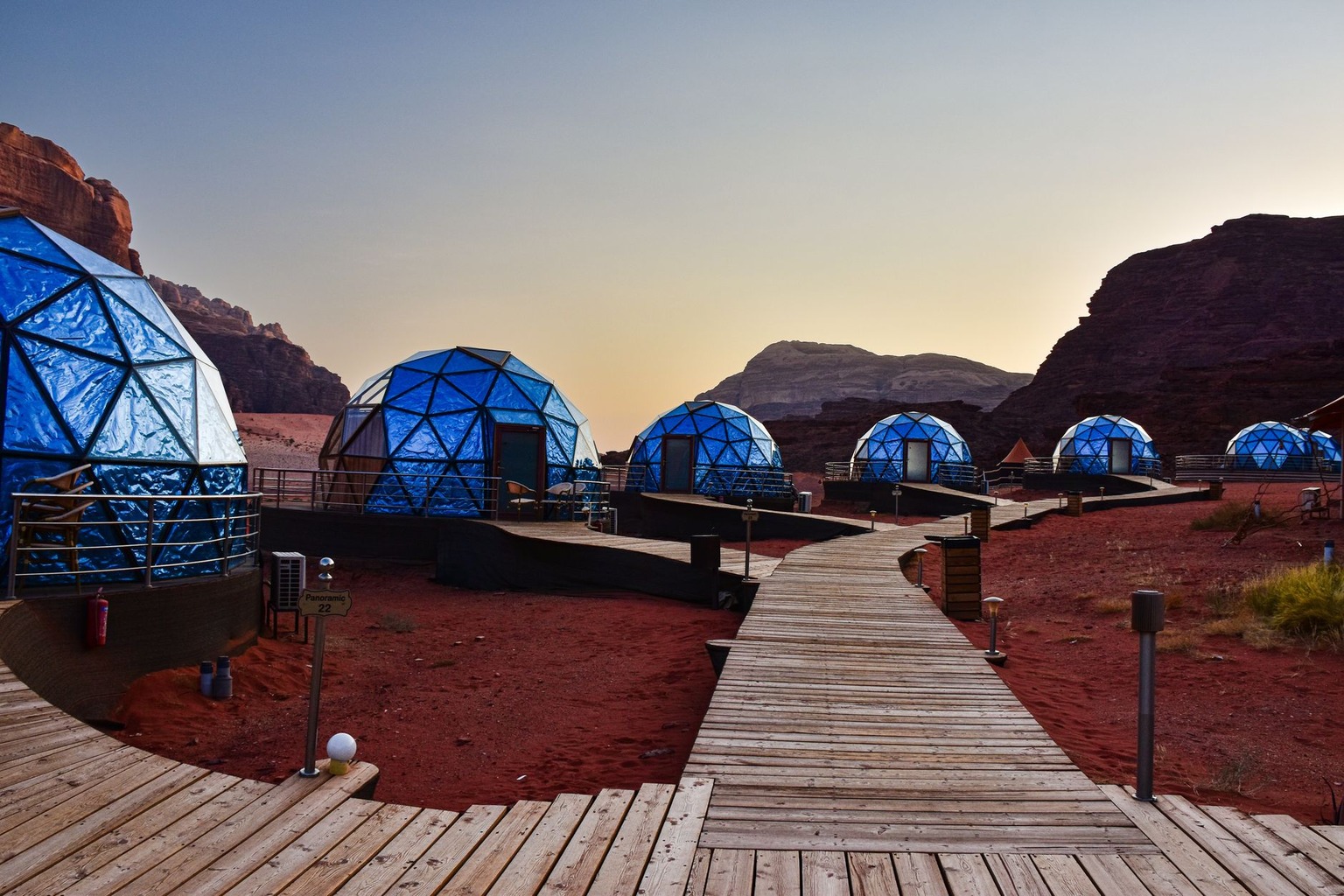
The middle ground lies in lodges and inns, particularly those tucked into smaller towns like Port Elgin or Wiarton, where you can find family-run B&Bs with rates between $120 and $180 per night. These scenic locations near Niagara-on-the-Lake often feature breakfast, helping you save on daily coffee and pastries while staying close to iconic spots like the Bruce Caves and the Niagara Escarpment’s rolling hills. The downside? You’ll lose at least an hour each day to unpacking, showering, and recovering, which adds up when you’re aiming for 30 to 40 miles per day. Glamping, think elevated tents with real beds, solar lighting, and even wood-fired showers, bridges the gap, with options like the Bruce Peninsula’s Glamping Bruce charging $200 to $300 a night but offering amenities like hot tubs and gourmet dinners. It’s the luxury version of camping, perfect if you’re splitting the trip with a partner or friend who wants a splurge day after three nights of roughing it. Just factor in the extra cost and the fact that some glamping sites are a 20-minute bike ride from the trail, which might feel like an eternity after a long climb.
Food and Water Resupply: Packed Meals vs Local Stops, Calculating Fuel Stops, Cost Efficiency, and Authentic Ontario Flavors
Planning the food and water strategy for a multi-day ride across the Bruce Trail requires balancing self-sufficiency with the desire to experience local culture. Packing every meal eliminates the uncertainty of finding open cafes or grocery stores in rural stretch, but it adds significant weight to panniers and limits flexibility when weather shifts unexpectedly. A typical cyclist might consume 3,000 to 4,500 calories daily, meaning three to four days of food can quickly become a bulky load, especially if carrying extra water containers for remote sections. Conversely, relying solely on roadside stops demands careful mapping of town distances, as some sections of the trail run through isolated woodland with no services for 20 kilometers or more. Fuel stops become a calculated variable; a cyclist must factor in both the caloric cost of the stop and the fuel expended detouring to a cafe, versus the time saved by eating on the bike. The most rewarding approach often hybridizes these methods: carrying lightweight, high-density snacks like energy bars and jerky for immediate hunger, while planning lunch stops in charming towns like Dundalk or Wiarton. These local stops not only refuel the body but offer a taste of authentic Ontario, from fresh apple cider at a roadside stand to a hearty poutine that celebrates the region’s dairy heritage. Balancing the convenience of packed meals with the cultural richness of local eateries transforms resupply from a logistical chore into a highlight of the journey.
Water resupply presents its own set of considerations, particularly given the Bruce Trail’s varying terrain and microclimates. While many trailheads and conservation areas provide potable water, the quality and availability can change seasonally, making a reliable filtration system or a stock of purification tablets a wise investment for any serious rider. The decision to carry a large-volume hydration bladder versus stopping at every village tap affects both bike handling and travel time. A 2-liter bladder is standard for many, but on a hot July day, that volume may deplete faster than anticipated, forcing an unscheduled stop that disrupts momentum. Expert riders often calculate their water needs based on elevation gain and temperature, aiming to hit the next town or marked water source with a small safety buffer rather than pushing limits. When stopping for water, the opportunity arises to support local businesses; filling up at a family-owned general store in places like Meaford not only hydrates the rider but injects money directly into the communities that maintain the trail. This strategic approach ensures that the cyclist remains hydrated and healthy, while simultaneously weaving the journey into the fabric of Ontario’s rural economy.
Cost efficiency in food planning often surprises novices who assume that buying meals on the road is cheaper than cooking at home. When factoring in the premium prices of tourist-town cafes and the hidden cost of fuel spent driving back and forth to resupply points, the economics can tilt unexpectedly. A packed lunch consisting of whole-grain bread, local cheddar, and seasonal Ontario vegetables might cost a fraction of a restaurant meal, and more importantly, it requires zero additional mileage. However, dismissing local stops entirely misses the intangible value of a shared meal with fellow travelers or the morale boost of a fresh pastry after a grueling climb. The sweet spot lies in a calculated ratio: perhaps two out of five days spent eating packed meals to manage budget and weight, and the remaining days allocated to seeking out the region’s famed farm-to-table spots. Towns like Thornbury offer excellent options where one can order a salad dressed with locally pressed oil, turning a necessary refuel into a celebration of Bruce County’s agricultural bounty. This balanced strategy maximizes both the financial sense and the sensory experience of the ride.
Trail Difficulty Segments: How to Adapt Your 5-Day Route Based on Elevation, Paved Sections, and Wildlife Encounters
The Bruce Trail’s Niagara section presents a distinct challenge with its moderate climbs and frequent elevation gains that test leg strength on a multi-day ride. Cyclists often encounter steep ascents near the escarpment edge, where the gradient can reach eight percent over short distances, demanding lower gear selection and steady cadence to avoid premature fatigue. I recommend planning the daily mileage to cap at forty kilometers on these segments, allowing time for recovery before tackling the next elevation change. The trail’s surface varies dramatically, transitioning from smooth paved sections through historic villages to rough gravel paths that require wider tires and heightened bike handling skills. When the route shifts to paved roadways, typically near the Niagara Escarpment’s southern foothills, riders must remain vigilant for traffic, especially during peak tourist season when weekend volumes surge. Maintaining a safe following distance and using hand signals becomes non-negotiable when sharing the road with cars, as the narrow shoulders offer little room for error. Adapting your pace to the surface type ensures both comfort and safety throughout the journey.
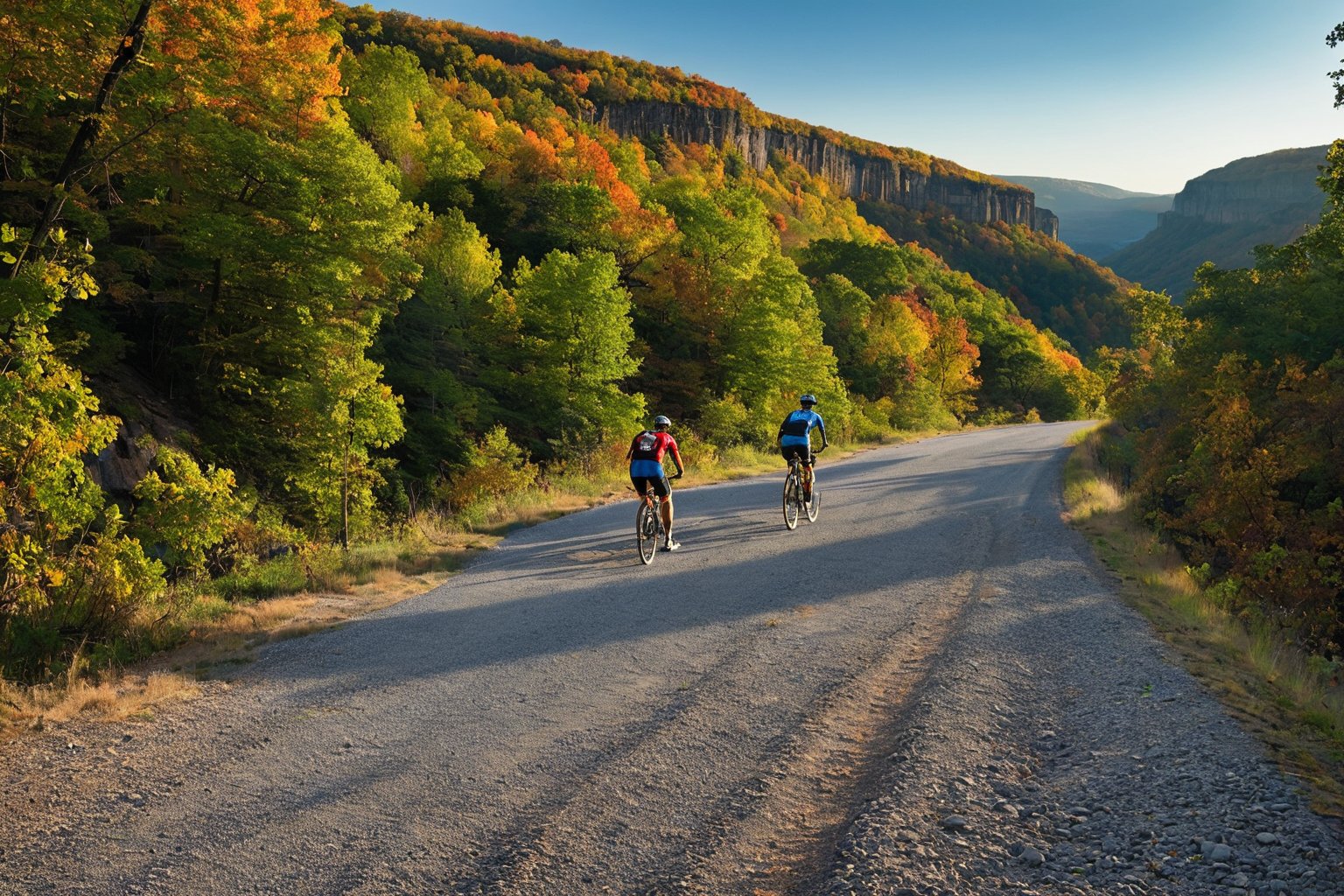
Wildlife encounters add another layer of complexity to navigating the Bruce’s diverse ecosystems, particularly during dawn and dusk when deer and small mammals are most active along the trail corridor. I have personally witnessed white-tailed deer darting across the path near the Dundas Valley, startling even experienced riders who were traveling at fifteen kilometers per hour; a sudden stop and a calm voice usually suffices to guide the animal off the pavement. Black bears, though less frequent, do traverse the more remote sections of the trail, especially in the oak-maple forests surrounding Wiarton, and making noise while pedaling is the most effective deterrent to avoid surprising them at close range. Insect activity peaks in the humid summer months, so carrying insect repellent and wearing long sleeves can prevent distractions that lead to missed trail markers or navigation errors. The trail’s layout often forces cyclists to share space with hikers, runners, and horseback riders, requiring a courteous “on your left” announcement when overtaking to maintain harmony among all trail users. Respecting these natural interactions not only protects the rider but also preserves the delicate balance of the escarpment’s flora and fauna for future adventurers.
Weather and Seasonal Timing: Spring vs Fall vs Summer, Comparing Crowds, Road Conditions, and Hidden Gems Along the Way
Spring on the Bruce Trail is a gamble, one that often pays off for those who brave the unpredictable weather. Temperatures in May and early June can swing from chilly mornings in the 50s with dew on the handlebars to unexpected heat spikes in the 80s by midday. The trails themselves are still wet from winter thaw, with muddy patches near water crossings like the Nottawasaga River that can turn a smooth ride into a slog if you’re not prepared with studded tires or extra traction. Crowds are lightest in late spring, especially before Memorial Day weekend, when you’ll find yourself sharing the road with only a handful of weekend warriors and the occasional moose crossing near Bruce Peninsula National Park. This is when you stumble upon hidden spots like the quiet pull-offs at Devil’s Punchbowl or the secluded beach at Flowerpot Island without the summer crush, though you’ll need to watch for early-season black flies that can make the first few hours of riding feel like a mosquito buffet.
Fall transforms the Bruce Trail into a golden-hour paradise, offering the best balance of weather, crowds, and scenery. September and early October bring crisp mornings in the 60s and highs in the 70s, with fewer bugs and fewer cyclists than summer. The foliage peaks around mid-October, turning the trails into a living painting with maples along the Niagara Escarpment blazing red and gold, especially noticeable on the climb up to the Top of the World lookout. Road conditions are ideal, dry, firm, and free of the summer dust that clings to your frame. This is also when you’ll encounter the most consistent weather, with rare rain showers and no extreme heat to slow you down. Fall cyclists often take advantage of the quieter trails to explore lesser-known detours like the winding backroads near Tobermory or the scenic loop around the Big Tub, where the autumn colors reflect in the still waters of Georgian Bay.

I have spent years uncovering the hidden gems and scenic routes across Southern Ontario, from the vineyards of Niagara to the rugged trails of the Bruce Peninsula. My weekends are dedicated to road trips and finding the perfect local diner or cabin stay. I love sharing the diverse beauty and relaxation opportunities found right here in the region.