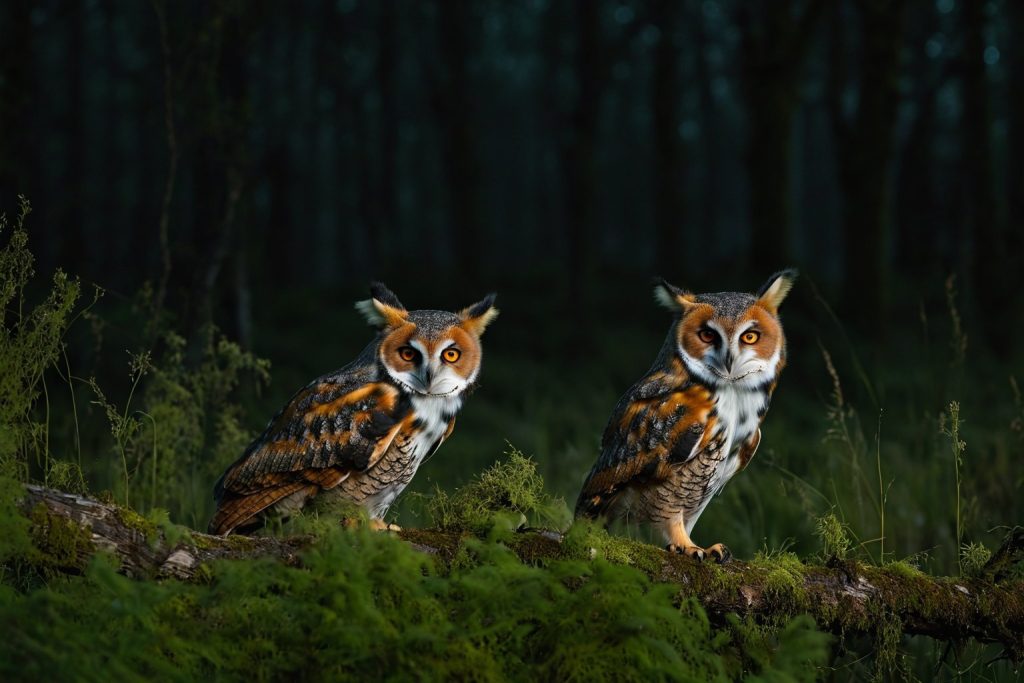
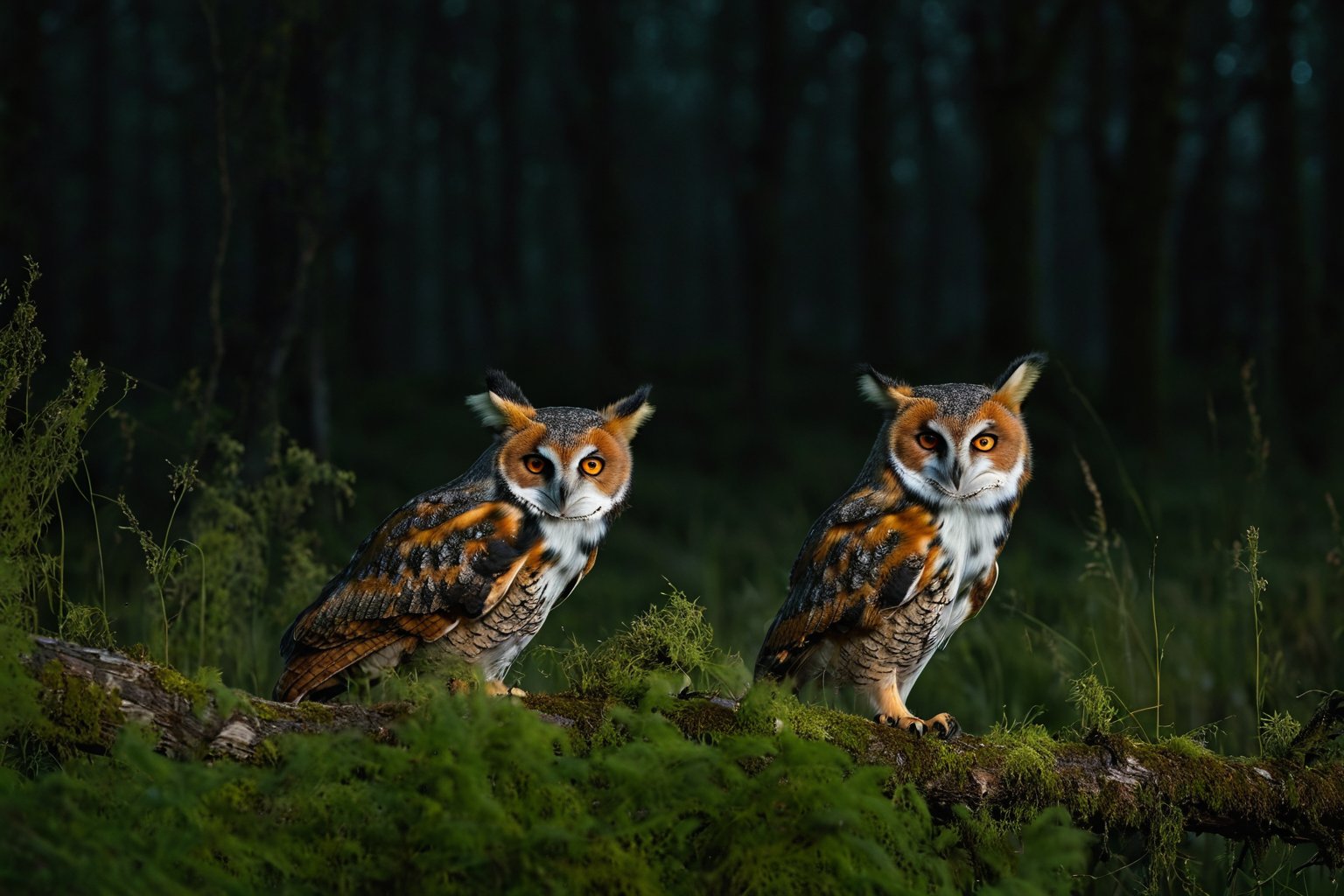
Southern Ontario’s dark sky preserves offer a rare window into nocturnal ecosystems that daytime visitors rarely witness, with light pollution levels low enough to reveal the full spectrum of native species at their most active. The dark sky preserves Ontario wildlife designation ensures that artificial lighting is strictly managed, allowing owls, foxes, and migratory birds to behave naturally without the disruptive glare of suburban infrastructure. You can spot species like the eastern coyote or barred owl within the first hour of a well-planned visit if you position yourself correctly and understand seasonal movement patterns. This guide walks through the specific gear, timing, and positioning strategies that turn a casual evening walk into a productive wildlife observation session, drawing on local park regulations and field-tested techniques. Whether you are visiting Georgian Bay or the Niagara escarpment areas with certified dark sky status, the principles remain consistent: minimize your footprint, maximize your patience, and respect the behavioral boundaries of the animals you observe.
Gear Selection for Low-Light Observation
Your choice of optical equipment determines whether you see a blurry shape in the tree line or identify a specific raptor species at fifty meters. A pair of 10×42 binoculars with fully multi-coated lenses provides the best balance of light gathering and portability for trail-based observation, while a spotting scope on a tripod is essential for stationary viewing from designated overlooks. Avoid white flashlights that startle prey and disrupt predator routines; instead, use a red-filtered headlamp set to its lowest intensity to preserve your night vision and keep your presence undetected. Pack a digital field guide app with offline audio recordings, as species identification by call is often more reliable than visual confirmation in low light. The gear list should also include warm layers, since temperatures drop significantly after sunset and prolonged stillness accelerates heat loss from the body.
Battery life becomes a critical constraint during multi-hour sessions, so bring spare lithium cells for your optics and a power bank for your recording devices. Noise discipline matters as much as light discipline; choose footwear with soft soles that mute your footsteps on leaf litter and gravel paths. A waterproof notebook and pencil allow you to log observations without the glare of a phone screen, which is far more intrusive than a paper note. These practical details separate a frustrated observer from one who successfully documents rare sightings in the field.
Choosing the Right Preserve and Season
Not all parks in southern Ontario hold official dark sky certification, and the difference matters for wildlife behavior. Certified preserves like those near the Bruce Peninsula or in the Niagara Escarpment area enforce strict lighting curfews that create true darkness, while non-certified areas often suffer from skyglow that masks faint celestial cues animals rely on for navigation. The best season for observing nocturnal species is late spring through early summer, when food sources peak and many animals are active during twilight hours rather than deep night. Autumn migration offers a secondary window, particularly for raptors and waterfowl that travel in large groups and are easier to spot from elevated positions.
Check the lunar phase before you plan your trip, as a full moon increases ambient light and can make some shy species less active or alter their foraging patterns. New moon nights provide the darkest conditions, ideal for observing bats, moths, and small mammals that avoid brighter nights. Weather also plays a role; clear, cool evenings produce less insect activity but offer better visibility, while humid, warm nights attract more flying insects that create noise and movement you must filter out. Timing your visit to coincide with a new moon and a clear forecast gives you the highest probability of seeing rare species in their natural state.
Positioning for Maximum Detection Range
Your physical location relative to water sources, forest edges, and open fields dictates which species you will encounter. Waterfowl and otters congregate near marshes and riverbanks, so position yourself on a trail that runs parallel to the water line rather than directly adjacent to it, giving animals space to approach without feeling cornered. Forest edge habitats, where dense woodland meets open meadows, are hotspots for foxes, raccoons, and deer, as these species use the transition zone to move between cover and feeding grounds. Avoid sitting in large open clearings where you become visible prey; instead, find a natural blind formed by rock outcroppings or thick underbrush that allows you to observe without being seen.
If you want to know more, Cottage Life explains the best places to stargaze in Ontario, and you can watch it right here.
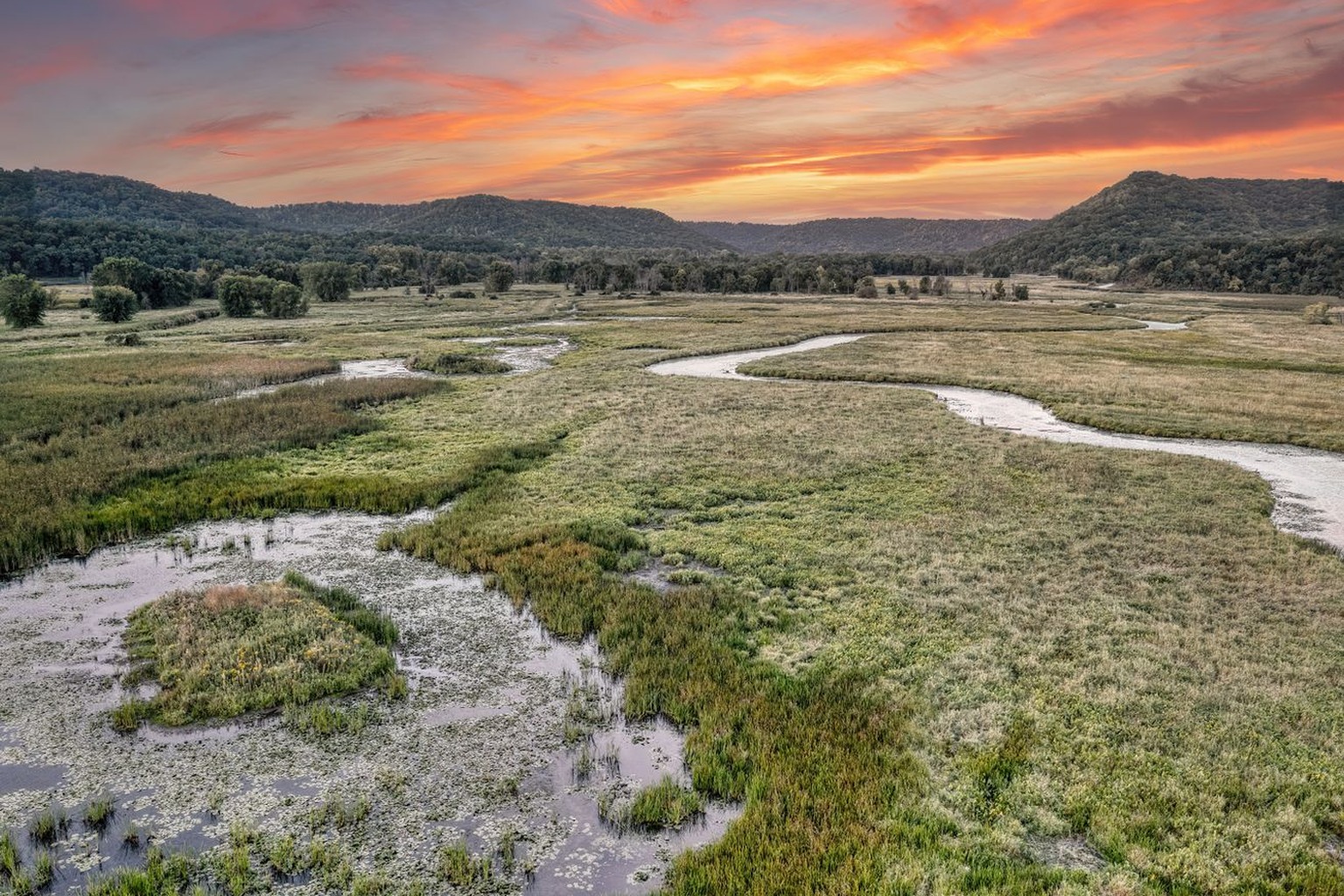
Elevation changes your detection range dramatically, as higher ground offers a wider field of view for spotting distant movement. Many dark sky preserves have designated observation decks or rocky outcrops that provide elevated vantage points over valleys and wetlands. Arrive at least thirty minutes before dusk to scout these spots and choose a position with unobstructed sight lines in the direction where activity is most likely. Your body heat and scent disperse in still air, so settle into your spot early and remain motionless, allowing the local wildlife to habituate to your presence gradually.
Reading Animal Behavior in Darkness
Visual identification becomes difficult after full dark, so you must rely on auditory cues and movement patterns to confirm species. The hoot of a barred owl differs significantly from the call of a tawny owl, and learning these distinct vocalizations allows you to identify individuals without seeing them. Small mammals like mice and voles produce ultrasonic clicks that are inaudible to humans but can be inferred from the rustling patterns in leaf litter, while larger predators like coyotes howl in complex social calls that indicate pack location and size. Listen for the absence of sound as well; a sudden silence in a forest usually indicates the presence of a predator or a startled prey animal nearby.
Movement patterns reveal species identity more reliably than visual details in low light. A fox moves with a loping gait that is distinct from the bounding stride of a rabbit, and the tail carriage of a deer differs markedly from that of a coyote. Watch for reflective eye shine, or eyeshine, which varies in color and intensity depending on the species; cats and dogs often show yellow or orange reflections, while rabbits and deer reflect red due to their tapetum lucidum structure. These behavioral clues allow you to make confident identifications even when the animal remains partially obscured by shadows or foliage.
Managing Light Discipline on Trails
Your light source is your most visible tool, and using it incorrectly can ruin an observation session and disturb wildlife. Red-filtered light preserves your own night adaptation while minimizing the impact on animals, whose eyes are more sensitive to blue and white wavelengths than to red. Keep your beam pointed downward or at a fixed point, never sweeping across the forest floor or tree canopy, as moving lights mimic predator movements and trigger flight responses. The intensity should be just enough to see your footing; any brighter light creates a cone of visibility that reveals you to animals at greater distances than intended.
Turn off all non-essential electronics, including phone screens and camera displays, before entering sensitive habitats. The blue light emitted by these devices is particularly disruptive to nocturnal insects and the birds and mammals that depend on them for food. If you need to take photos, use a camera with a silent shutter mode and avoid using the built-in flash, which causes lasting stress in animals even after the momentary exposure. Light discipline extends beyond your own gear; be mindful of other visitors who may be less informed, and politely remind them to dim their lights if they are scanning the area broadly.
Avoiding Common Observation Errors
Impatience is the most frequent reason observers leave dark sky preserves without sightings, as many rare species only emerge after the first hour of darkness. Set a minimum observation window of two hours before concluding that no activity is present, and rotate your attention between different sectors of your view to cover more ground. Do not chase movement; if you see an animal, resist the urge to follow it, as this alters its natural behavior and can lead to dangerous encounters or missed opportunities for observation. Instead, note the direction of travel and adjust your position to anticipate where it might appear next.
Another common mistake is relying solely on visual confirmation in the dark, which leads to frustration when animals remain hidden. Accept that many sightings will be auditory or based on subtle movement cues, and record these observations with the same rigor as clear visual identifications. Avoid using loud voices or sudden movements to startle animals into view, as this technique provides poor identification data and causes unnecessary stress. Your goal is to witness natural behavior, not to force an encounter, so patience and restraint are your most valuable tools in the field.
Recording and Sharing Observations Responsibly
Documenting your sightings helps build a local database of wildlife activity and supports conservation efforts in dark sky preserves. Use a digital field journal to record the time, location, weather conditions, and specific behaviors observed for each species, creating a verifiable record that other researchers can use. Share your findings on local naturalist platforms, but avoid posting exact GPS coordinates of sensitive species like nesting birds or solitary predators, as precise locations can attract excessive visitor traffic. Respect the privacy of the animals by not sharing images that reveal their resting spots or den locations to the public at large.
Your data contributes to a broader understanding of how light pollution affects wildlife behavior in southern Ontario, providing evidence for policy decisions about lighting regulations in protected areas. Encourage other visitors to log their observations as well, fostering a community of responsible watchers who prioritize animal welfare over social media validation. The more accurate and detailed the collective dataset becomes, the better we can protect these fragile ecosystems for future generations of observers and the wildlife that calls them home.

I have spent years uncovering the hidden gems and scenic routes across Southern Ontario, from the vineyards of Niagara to the rugged trails of the Bruce Peninsula. My weekends are dedicated to road trips and finding the perfect local diner or cabin stay. I love sharing the diverse beauty and relaxation opportunities found right here in the region.