Top Birdwatching Spots in Southern Ontario
Discover premier birdwatching spots southern ontario has to offer through these best birding locations. Southern ontario parks and nature reserves provide exceptional opportunities for enthusiasts seeking diverse species year-round.
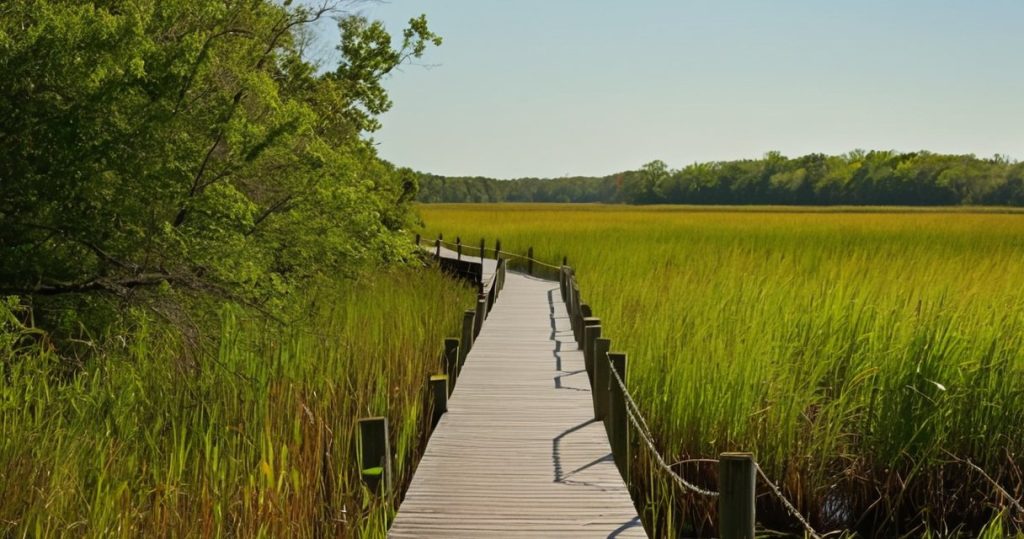
Point Pelee National Park offers easy access off Highway 77 with extensive boardwalk trails and a $8.50 entry fee. Visitors enjoy unique warbler migrations and over 360 bird species in this southernmost Canadian mainland point.
Rondeau Provincial Park features car-accessible trails and camping options for $11.25 daily. Its Carolinian forest habitat attracts warblers, herons, and waterfowl, making it one of the top birdwatching spots southern ontario boasts.
Long Point Provincial Park provides beach and marsh trails with a $11.25 vehicle fee. The UNESCO biosphere reserve hosts massive waterfowl gatherings and rare shorebirds, ranking among southern ontario parks for prime birding.
Presqu’ile Provincial Park includes peninsula trails and a lighthouse viewpoint for $11.25 entry. Its wetlands and beaches support gulls, terns, and migrating songbirds in this key nature reserve destination.
Tommy Thompson Park offers free waterfront access via Leslie Street Spit trails. The urban nature reserve delivers excellent views of waterbirds, raptors, and nesting colonies within greater Toronto’s best birding locations.
Holiday Beach Conservation Area features $8 entry and observation towers along the Detroit River. It excels for hawk migrations and waterfowl, enhancing the reputation of birdwatching spots southern ontario provides enthusiasts.
Best Times to Go Birdwatching in Southern Ontario
Understanding the birdwatching seasons in Southern Ontario is essential for any avid birder looking to have a memorable experience. The migration periods are when activity reaches its peak, drawing both local and migratory species to the area’s wetlands, forests, and shorelines. Peak migration windows in spring run from April to May, when neotropical migrants return. Southern ontario weather at this time is mild but can include showers, so waterproof gear is advised. These are considered some of the best months for birding because of the high diversity. To avoid crowds, visit popular spots like Point Pelee on weekdays and get there at sunrise for maximum sightings.
Fall brings another surge during migration periods from September to October. Cooler southern ontario weather makes for enjoyable outings without the bugs of summer. The best months for birding then are September and early October, with raptors and waterfowl abundant. Plan your visits for early morning or late afternoon to steer clear of weekend crowds and to catch birds during their most active times. The changing foliage creates beautiful backdrops while providing natural camouflage for patient observers.
Summer and winter also offer unique opportunities but require adjustments for the weather. In summer, focus on shaded areas to beat the heat, while winter demands warm clothing for spotting owls and finches. Checking forecasts helps navigate variable southern ontario weather across all birdwatching seasons.
Additional tips include checking local bird reports, joining conservation groups for guided walks during less busy times, and staying on marked paths to minimize disturbance. This approach ensures you maximize sightings while contributing to the preservation of these natural habitats. By aligning your trips with these seasonal patterns, your birdwatching adventures in Southern Ontario will be both productive and enjoyable.
Common Bird Species in Southern Ontario
Southern Ontario is home to diverse ontario bird species that attract enthusiasts. Bird identification skills help spot common backyard birds and migratory birds easily. The American Robin, with its orange breast and cheerful song, thrives in gardens and lawns year-round. Blue Jays, recognized by their vibrant blue color and noisy calls, prefer woodlands and suburban areas throughout all seasons. Northern Cardinals stand out with their red plumage, living in dense shrubs and forests constantly. Black-capped Chickadees, small with black caps and white cheeks, are found in mixed forests and backyards always. Downy Woodpeckers show black-and-white stripes and short bills, inhabiting deciduous trees year-round. Similar Hairy Woodpeckers have longer bills in the same habitats.
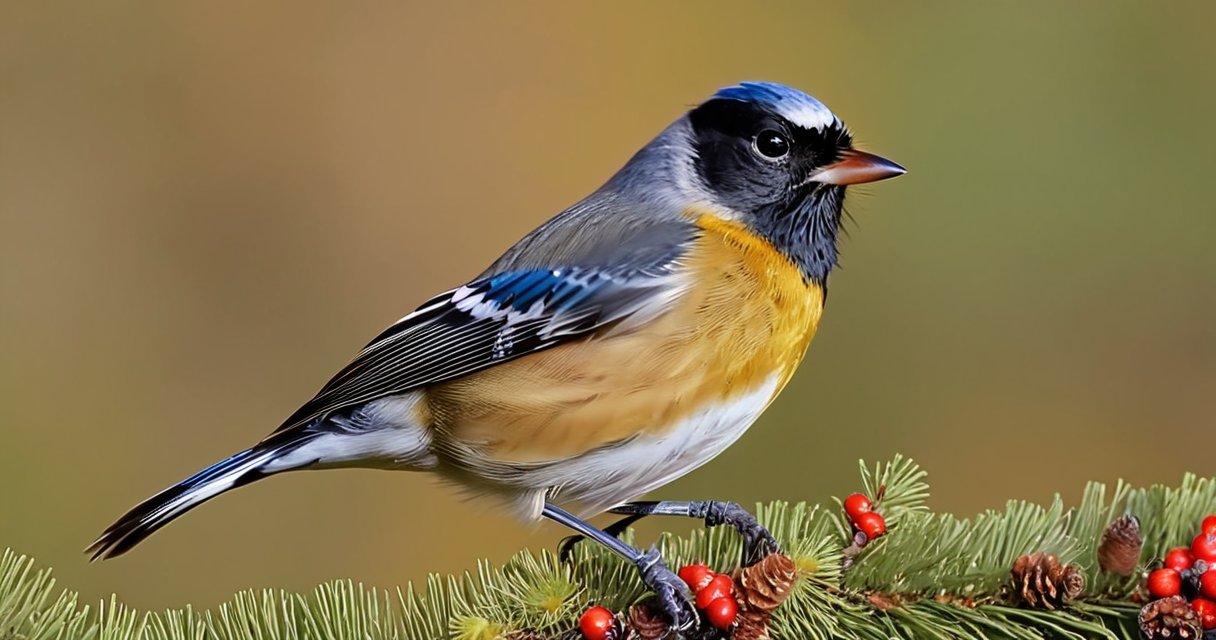
Red-winged Blackbirds display red and yellow shoulder patches, nesting in marshes during spring and summer migrations. Common Grackles feature shiny black feathers, foraging in fields from spring to fall. American Goldfinches are bright yellow with black accents, frequenting weedy fields in summer and winter. House Finches have brown streaks and red heads on males, around human dwellings always. Song Sparrows sing from perches in brushy habitats year-round. White-throated Sparrows, with their distinctive head stripes, appear in woodlands as migratory birds in spring and fall. Canada Geese with long black necks graze near lakes and rivers throughout the year. Mallards, green-headed males and mottled females, swim in ponds and rivers always. Great Blue Herons wade gracefully in wetlands during warmer months. Turkey Vultures soar high with bald red heads in rural skies from spring to autumn.
Red-tailed Hawks circle fields with their namesake tails year-round. American Crows are intelligent all-black birds in various environments constantly. European Starlings show speckled iridescence in cities and farms always. Finally, Mourning Doves with slender bodies and soft coos inhabit open areas throughout the seasons. Observing these twenty species provides rewarding experiences for all levels of birders in the region.
Essential Gear and Tips for Birdwatching
Birdwatching in Southern Ontario rewards those who prepare thoroughly for variable weather and diverse habitats. Quality birdwatching equipment forms the foundation of every successful outing, starting with reliable binoculars for birding that deliver sharp focus and comfortable ergonomics for hours of use. Complement these with up-to-date field guides covering local species to ensure accurate identification whether you are spotting warblers along Lake Ontario or raptors in the Carolinian forests.
Clothing choices directly affect comfort and stealth. Dress in moisture-wicking layers topped by a waterproof shell, and select earth-tone garments that help you blend into surroundings. Sturdy, waterproof boots protect against muddy trails common after spring rains, while a wide-brim hat and polarized sunglasses reduce glare on open water.
Safety precautions remain essential for both novices and experienced birders. Check forecasts before departure, pack a basic first-aid kit with tick and insect repellent, and always inform a contact of your planned route and return time. Carry a whistle and headlamp for emergencies, and stay on marked paths to avoid disorientation in dense woodlots or wetland edges.
Practical tips improve results year-round. Rise early to catch peak activity, move slowly, and listen for calls before scanning with binoculars for birding. Beginner tips include practicing in local parks, joining guided walks to learn regional hotspots, and keeping a simple journal to track sightings and behaviors. Seasoned observers benefit from lightweight spotting scopes and camera adapters for documentation while continuing to refine their field skills.
Stay hydrated, pack energy snacks, and use field guides alongside mobile apps for real-time confirmation. Respect wildlife by maintaining distance, avoiding playback, and leaving no trace. These habits support conservation efforts and enhance every visit to Southern Ontario’s birding locations.
Sustainable Birdwatching Practices
When exploring the birdwatching spots in Southern Ontario, adopting sustainable practices is vital for the longevity of these natural areas. Ethical birdwatching begins with understanding your role in the ecosystem and taking steps to reduce any negative effects. Start by familiarizing yourself with conservation tips that local experts recommend, such as observing birds during non-breeding seasons to lessen stress on populations.
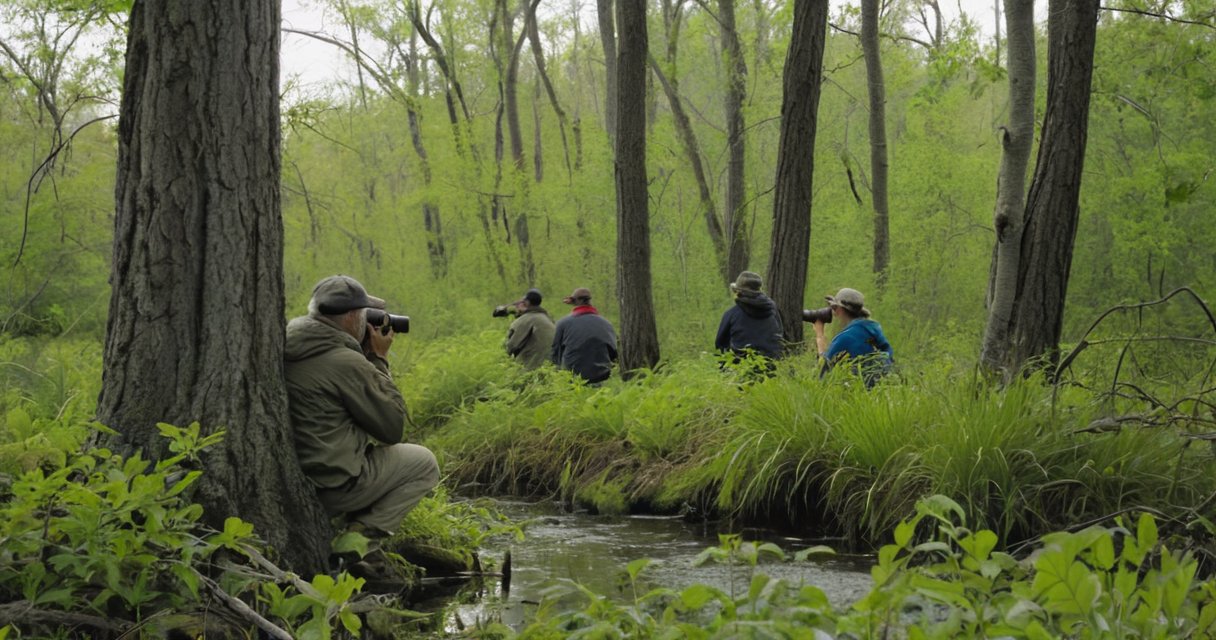
Protecting habitats should be at the forefront of every birder’s mind. This means avoiding areas that are closed for restoration and refraining from using flash photography that might startle sensitive species. Responsible birding also extends to group sizes; smaller groups are less disruptive and allow for better control over noise levels.
Implementing leave-no-trace principles is non-negotiable. Always bring a trash bag to collect any litter you find, and ensure you leave the site exactly as you found it. This includes not creating new paths or fire rings. Water sources should be treated with care to prevent contamination from soaps or waste.
Supporting local conservation initiatives can amplify your positive impact. Participate in citizen science projects where you report sightings to help track bird populations. Purchasing gear from eco-friendly suppliers or attending workshops on sustainable outdoor activities are excellent ways to contribute. Furthermore, respect private property and obtain necessary permits when required. Sharing your experiences through social media can promote ethical birdwatching, encouraging others to follow suit. Avoid feeding birds, as it can alter their natural foraging behaviors and lead to dependency.
By integrating these elements into your routine, you not only enjoy the thrill of spotting rare birds but also play a part in preserving them. Southern Ontario’s rich biodiversity depends on responsible enthusiasts like you who prioritize the environment. Continuous learning about new conservation strategies will keep your practices up to date and effective.
Local Birdwatching Resources and Communities
Exploring birdwatching spots in Southern Ontario becomes even more rewarding when you connect with dedicated birding clubs Ontario and local birdwatching groups. These organizations provide expert guidance, organized outings, and opportunities to meet fellow enthusiasts who share a passion for avian observation across the region’s diverse habitats.
Prominent regional groups include the Ontario Field Ornithologists and various county-based clubs that host regular field trips to hotspots like Point Pelee and Long Point. Members often participate in ontario birding events ranging from spring migration counts to winter raptor surveys, helping newcomers learn identification skills while contributing valuable data.
Upcoming ontario birding events frequently feature workshops on optics use, bird photography ethics, and habitat conservation. Many clubs coordinate with provincial parks to offer guided walks that highlight seasonal arrivals, ensuring participants experience the best of Southern Ontario’s birdlife in a supportive community setting.
Digital tools play a key role in connecting enthusiasts. Apps such as eBird and Merlin Bird ID allow users to log sightings in real time, join local challenges, and access species maps tailored to Ontario. These platforms integrate seamlessly with citizen science initiatives that track population trends and migration patterns.
Citizen science projects like the Christmas Bird Count and Project FeederWatch encourage ongoing monitoring efforts throughout Southern Ontario. By submitting observations through these programs, birders help scientists detect changes in species distribution caused by climate shifts and urban development.
Local birdwatching groups also collaborate on larger conservation campaigns, using data from citizen science to advocate for wetland protection and native plant restoration. Joining a club provides access to newsletters, rare bird alerts, and mentorship programs that strengthen both individual skills and collective monitoring capacity.
Whether you are a beginner or experienced observer, engaging with birding clubs Ontario and participating in ontario birding events fosters a vibrant network. These connections not only enhance your enjoyment of Southern Ontario’s birdwatching spots but also support vital citizen science that informs regional conservation strategies for years to come.

I have spent years uncovering the hidden gems and scenic routes across Southern Ontario, from the vineyards of Niagara to the rugged trails of the Bruce Peninsula. My weekends are dedicated to road trips and finding the perfect local diner or cabin stay. I love sharing the diverse beauty and relaxation opportunities found right here in the region.