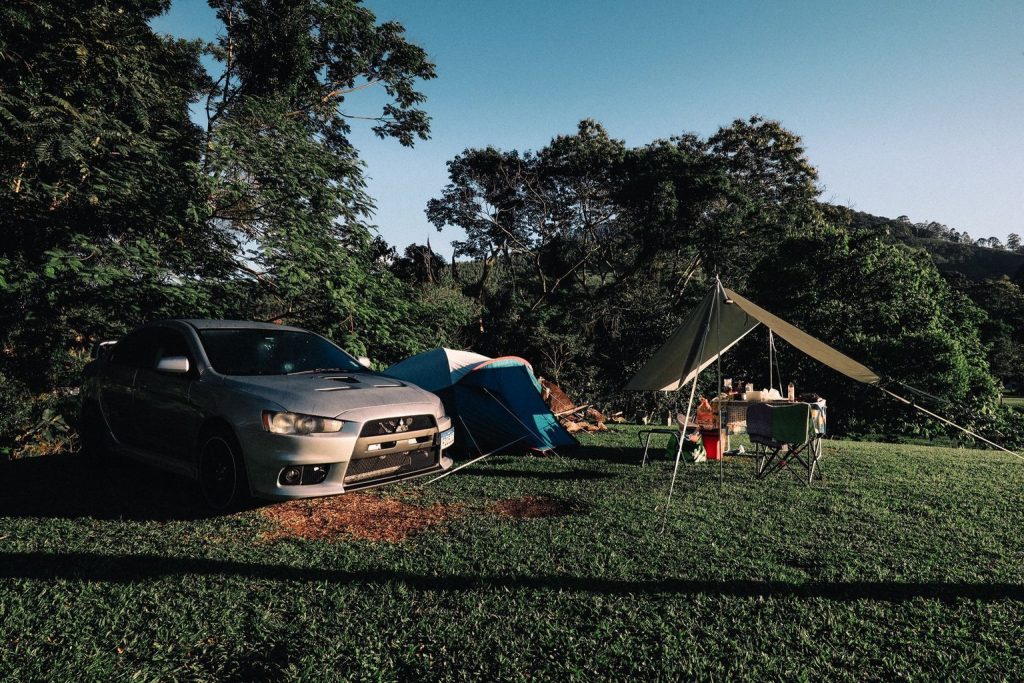
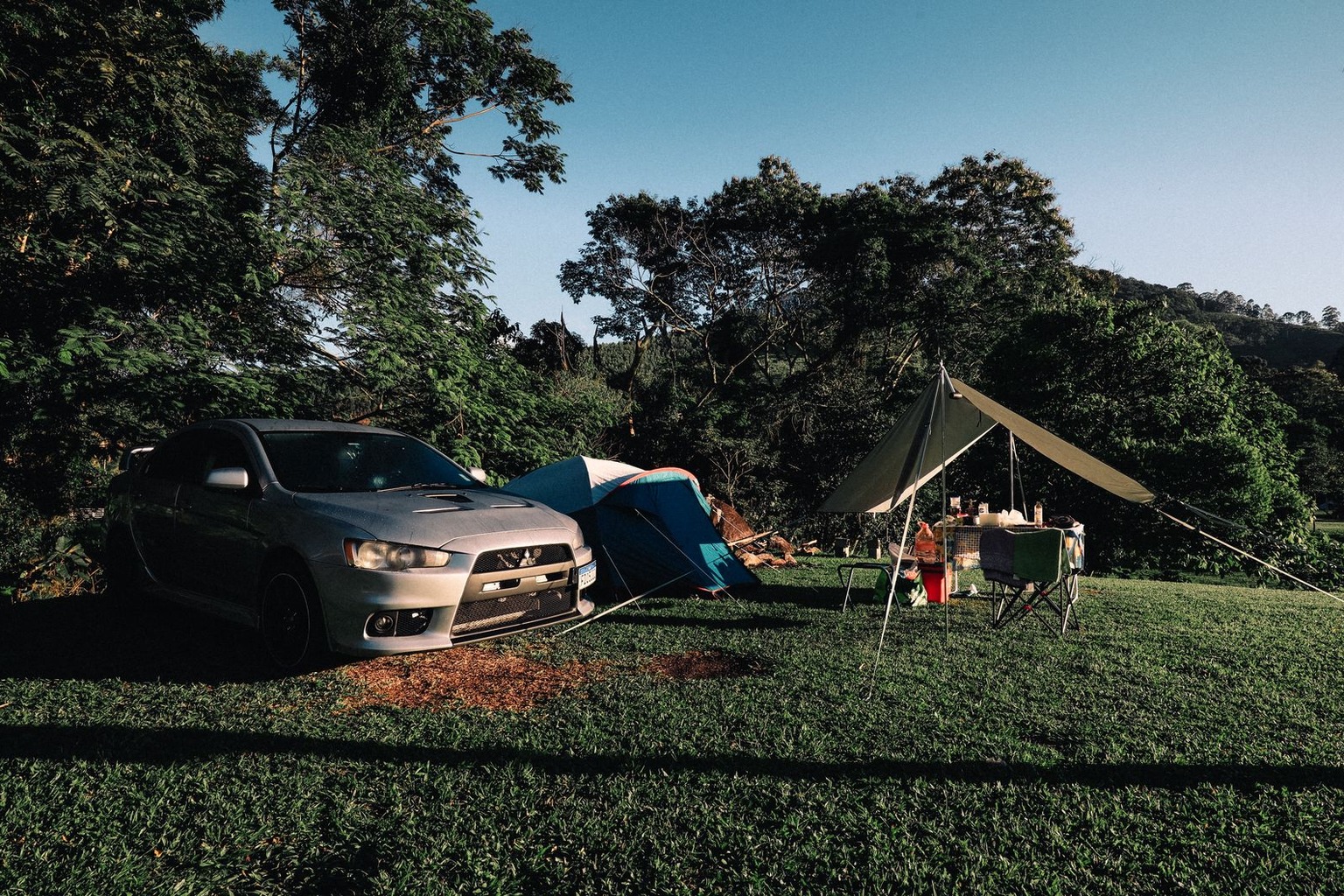
Planning a family getaway to the Canadian wilderness often feels overwhelming, yet glamping offers a perfect middle ground between rustic camping and hotel comfort. You get to sleep under the stars in a properly equipped shelter while keeping your children happy with reliable bedding and easy access to hot showers. For families looking for adventure without the hassle of pitching a tent at midnight, exploring glamping Ontario national parks provides a structured way to experience nature safely and comfortably. This guide walks you through the specific steps needed to book the right site, pack the correct gear, and navigate park regulations so your trip runs smoothly from arrival to departure.
Confirming Park Availability and Booking Windows
The most common mistake families make is assuming they can drive up to a national park on a Friday night and find an open glamping site. This is rarely true during the peak season, which typically runs from mid-May through early September. Parks like Bruce, Pinery, and Georgian Bay fill their premium lodging units months in advance, often releasing reservations in rolling waves rather than all at once. You need to monitor the official Parks Canada booking portal starting as soon as your desired dates become available, which can be up to six months prior. Set up email alerts for specific accommodations because inventory fluctuates daily as other travelers cancel or modify their plans.
Understanding the distinction between national and provincial parks is also critical for your planning process. While this guide focuses heavily on federal national parks, some of the best family-friendly glamping options in southern Ontario are actually located in provincial parks managed by the Ontario Ministry of Natural Resources. These sites often have different reservation systems and fee structures, so you must verify which jurisdiction governs your chosen destination. Some national parks restrict private vehicle camping to specific zones, meaning you cannot simply park next to your tent or cabin if you booked a standard campsite. Check the site map carefully to ensure your glamping unit is located in an area accessible by car, especially if you are traveling with young children who cannot hike long distances.
Payment policies vary significantly between different park operators and lodging types, so read the fine print before entering your credit card details. Some sites require a full prepayment for glamping units because they come with fixed amenities like kitchenettes, fire pits, and furniture that the park must prepare in advance. Others may only charge a deposit that applies to your first night, with the remainder due upon arrival. If you are booking for a large family group spanning multiple units, ask the reservation center about group discounts or block booking options to save money. Keeping a digital copy of your confirmation numbers on all adult phones prevents any confusion at check-in, especially during busy holiday weekends when check-in lines can stretch long.
Selecting the Right Glamping Unit for Your Family Size
Choosing between a canvas tent, a yurt, or a cabin-style pod depends entirely on your family’s specific needs and comfort preferences. Canvas tents offer the most immersive outdoor experience with mesh walls that let you hear the wind and see the stars, but they provide less protection against sudden rain or cold nights. Yurts are round structures with sturdy wooden floors and raised platforms for sleeping, making them ideal for families with infants who need a stable surface away from the ground. Cabin-style pods often include full kitchens and bathrooms, which is a huge advantage if you are traveling with elderly relatives or toddlers who need frequent diaper changes and warm baths. Consider the number of adults versus children in your group because some units have strict occupancy limits that exclude extra bedding for guests over a certain age.
Proximity to park services should be a major factor in your decision, particularly if you are bringing young children who need quick access to restrooms and water fountains. Sites located near the main camp office or day-use area are generally easier to navigate because you can hear staff members calling out announcements about weather changes or trail closures. Remote glamping units deep in the forest offer more privacy and wildlife encounters, but they require you to carry all your essentials for longer distances during the day. If your children are under five years old, prioritize sites that are within a two-minute walk of a paved path leading to the main facilities. This saves you from dragging a stroller through soft dirt or uneven terrain after a long day of activities.
Budget constraints often dictate which amenities you can expect, so set a clear financial ceiling before you start browsing available units. A basic glamping tent might cost significantly less than a luxury cabin pod, but the difference in price usually reflects the level of included furniture and kitchen equipment. You may find that a cheaper site requires you to bring your own sleeping bags, pillows, and cooking utensils, which can add up quickly if you are not already equipped. Conversely, a higher-priced unit might include a full kitchen setup with pots, pans, plates, and even a small refrigerator, saving you the hassle of packing heavy cookware. Calculate your total trip cost including these potential gear purchases to ensure you stay within your budget without compromising on comfort.
Packing Essentials for Glamping in National Parks
Your packing list needs to account for the specific climate conditions of southern Ontario, which can vary dramatically even within a single week. While summer days can reach temperatures above 30 degrees Celsius, nights in the park often drop to the low teens, requiring warm layers for sleeping and evening stargazing. Pack moisture-wicking clothing for daytime hikes and heavy wool blankets or high-quality sleeping bags for the night, regardless of what the unit provides. The humidity levels in the region can make synthetic materials feel uncomfortable against your skin, so natural fibers like cotton and merino wool are better choices for base layers. Bring a small first-aid kit stocked with insect repellent, antihistamines, and bandages, as the park is often far from the nearest hospital or urgent care clinic.
On ExplorewithReshma they cover affordable glamping options — you can watch it right here.
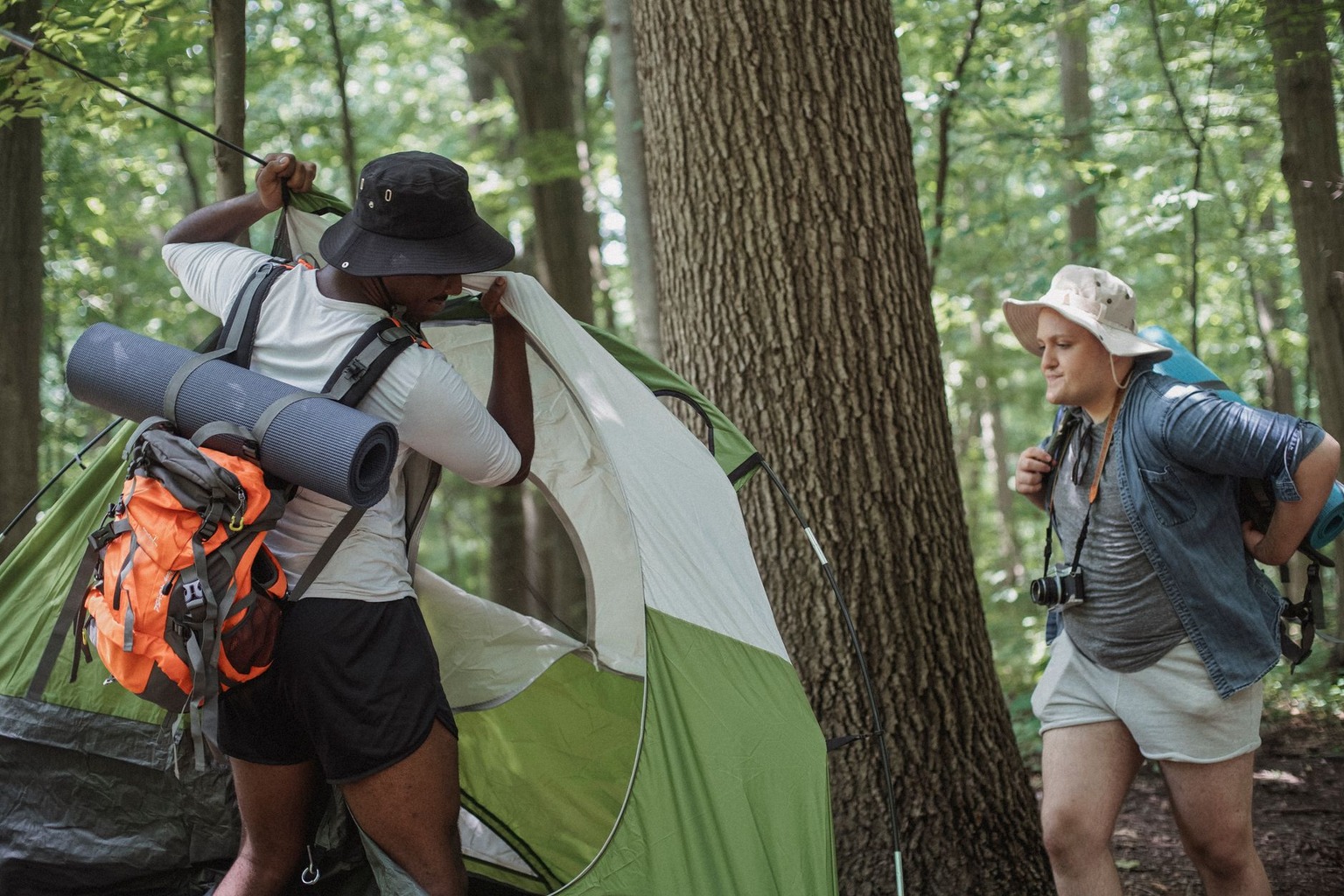
Food storage is a critical safety issue that many new glampers overlook until they arrive at the site. National parks in Ontario are home to black bears and raccoons that are attracted to human food smells, so you must store all edible items in designated bear-proof boxes or lockers. Do not leave snacks, fruits, or even toothpaste in your glamping unit overnight, as these scents can attract wildlife into your sleeping area. Bring a cooler with plenty of ice for daytime use, and make sure to empty it completely before leaving the park to avoid melting water and odors. Pack your food in sealed containers or zip-lock bags to minimize smells that might draw curious animals to your tent or cabin while you are away on a hike.
Entertainment options for children should be planned in advance because cell service is often weak or nonexistent in remote park areas. Download offline maps, audiobooks, and educational games onto your devices before you leave home so you have entertainment ready if the weather prevents outdoor activities. Bring physical board games, coloring books, and nature journals that do not require electricity or internet connectivity to keep kids engaged during downtime. A small toolkit with duct tape, a multi-tool, and spare batteries is also wise to carry in case of minor equipment failures or unexpected repairs needed for your gear. These simple preparations ensure that technical issues do not derail your family’s enjoyment of the natural surroundings.
Navigating Park Regulations and Wildlife Safety
Understanding local wildlife behavior is essential for keeping your family safe and respecting the natural habitat around you. Black bears are generally shy but will become aggressive if they associate humans with easy food sources, so never feed them or leave trash unattended in visible areas. Keep a safe distance of at least 30 meters from any wildlife you encounter on trails, and make noise while hiking to avoid surprising animals in dense brush. Teach your children to identify bear scat and droppings as signs that you should change direction and find an alternative route. If you spot a bear, do not run, but rather back away slowly while making yourself look large and speaking in a calm, firm voice to discourage it from approaching.
Fire regulations are strictly enforced in national parks due to the high risk of wildfires during dry summer months. You can only build fires in designated fire rings or pits provided at your glamping site, and you must extinguish them completely with water before leaving the area. Check for current fire bans on the Parks Canada website before your trip, as these rules can change daily based on weather conditions and drought levels. Bringing a portable propane stove is a safer alternative for cooking meals, especially if you are staying in a tent where open flames are restricted. Never leave a fire unattended, even for a short period, and ensure that all embers are soaked thoroughly to prevent any lingering heat from igniting dry leaves or grass.
Respecting the environment extends beyond waste disposal to include how your family interacts with plants and animals. Stay on marked trails at all times to protect fragile ground cover and prevent erosion that damages the park’s ecosystem for future visitors. Do not pick wildflowers, remove rocks, or disturb nests, as these actions disrupt the delicate balance of the local habitat. Use biodegradable soap only in areas designated for washing, and stay at least 200 meters away from water sources to protect aquatic life from contamination. Teaching your children about Leave No Trace principles during the trip turns a simple vacation into an educational experience that fosters lifelong respect for nature.
Planning Daily Activities Around Your Glamping Base
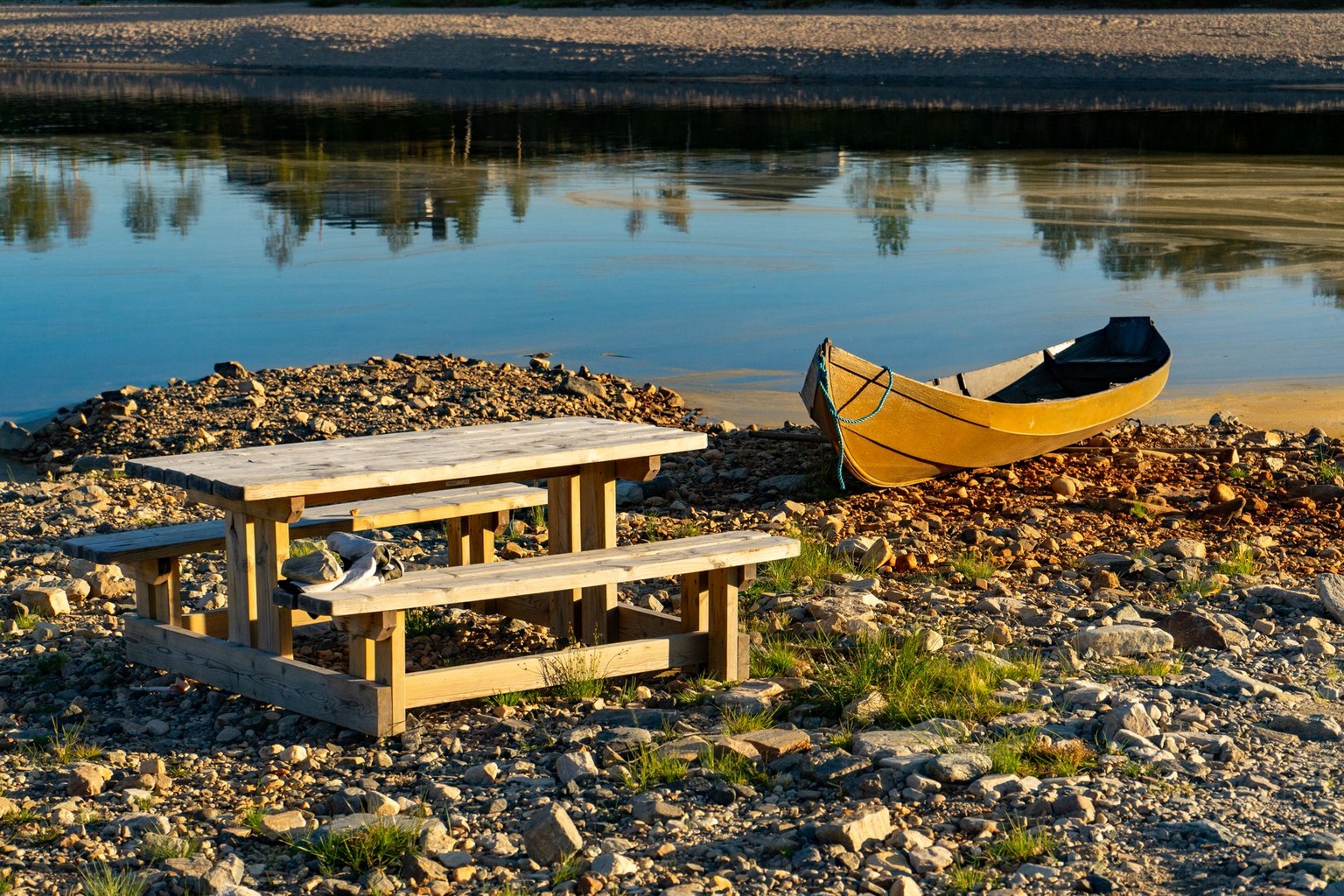
Your itinerary should balance active outdoor pursuits with downtime to prevent fatigue and ensure everyone enjoys the trip. Start your day with a slow breakfast in your glamping unit, allowing time to hydrate and plan the day’s activities before heading out. Mid-morning is ideal for hiking or kayaking because temperatures are cooler and crowds are lighter, while the afternoon heat can make strenuous activities uncomfortable. Reserve late afternoons for relaxed activities like picnicking on a bench overlooking a lake or watching wildlife from a distance. Evening hours are perfect for stargazing, as the lack of light pollution in national parks offers some of the best views of the night sky in the province.
Involving children in simple nature-based tasks keeps them engaged and teaches valuable survival skills. Ask your kids to help identify trees using a guidebook or app, or challenge them to find three different types of bird tracks during a short walk. Setting up a small nature scavenger hunt with a list of items like a feather, a pinecone, or a smooth stone gives them a purposeful activity that is not screen-based. Cooking simple meals together over the campfire, such as s’mores or foil-wrapped vegetables, turns dinner preparation into a fun collaborative event. These shared experiences create strong family bonds and leave lasting memories that go beyond just sleeping in a nice tent.
Weather changes in southern Ontario can be unpredictable, so always have a backup plan for inclement days. If rain cancels your hiking plans, spend the time exploring local museums, visitor centers, or nearby towns that offer indoor attractions suitable for families. Many parks have covered picnic areas or indoor play spaces where children can burn off energy without getting wet. Use the extra time to rest and recharge, as sleeping in is often the best medicine after a few days of active exploration. Flexibility is key to a successful family trip, so do not stress if plans change, but instead adapt and enjoy the moment at hand.
Managing Departure and Leaving No Trace
The final step of your trip is ensuring you leave the site in the same condition or better than you found it. Pack all your belongings carefully, checking under beds, inside cabinets, and behind furniture for any forgotten items like keys, phones, or snacks. Dispose of any trash in the designated bins provided at the camp office, and recycle plastics, glass, and aluminum if facilities are available. Take a final walk around your site to look for any litter you might have dropped during the day, such as wrappers or bottle caps. A clean site not only helps the park staff but also sets a positive example for other visitors who will follow you.
Reflect on what worked well and what could be improved for future trips while you are still fresh on the details. Note down any specific sites or trails you loved so you can recommend them to friends or return to yourself next year. Share your experience with online travel communities by leaving a review, but focus on factual observations about the condition of the site and the helpfulness of staff. If you encountered any issues, such as broken equipment or unclear signage, report them politely to park authorities so they can make improvements. Your feedback helps maintain high standards for glamping in Ontario national parks and ensures a better experience for everyone.
Drive home safely, taking regular breaks if the journey is long, and allow time to decompress after the adventure. The transition from nature to daily life can feel jarring, so ease back into your routine gradually over the next few days. Keep some mementos from your trip, such as a pressed flower or a photo, to remind you of the peaceful moments you shared in the wilderness. Planning your next adventure while you are still inspired is often the easiest time to book, so consider looking at dates for your next escape immediately. The joy of family glamping lies not just in the destination, but in the preparation and the shared memories created along the way.

I have spent years uncovering the hidden gems and scenic routes across Southern Ontario, from the vineyards of Niagara to the rugged trails of the Bruce Peninsula. My weekends are dedicated to road trips and finding the perfect local diner or cabin stay. I love sharing the diverse beauty and relaxation opportunities found right here in the region.