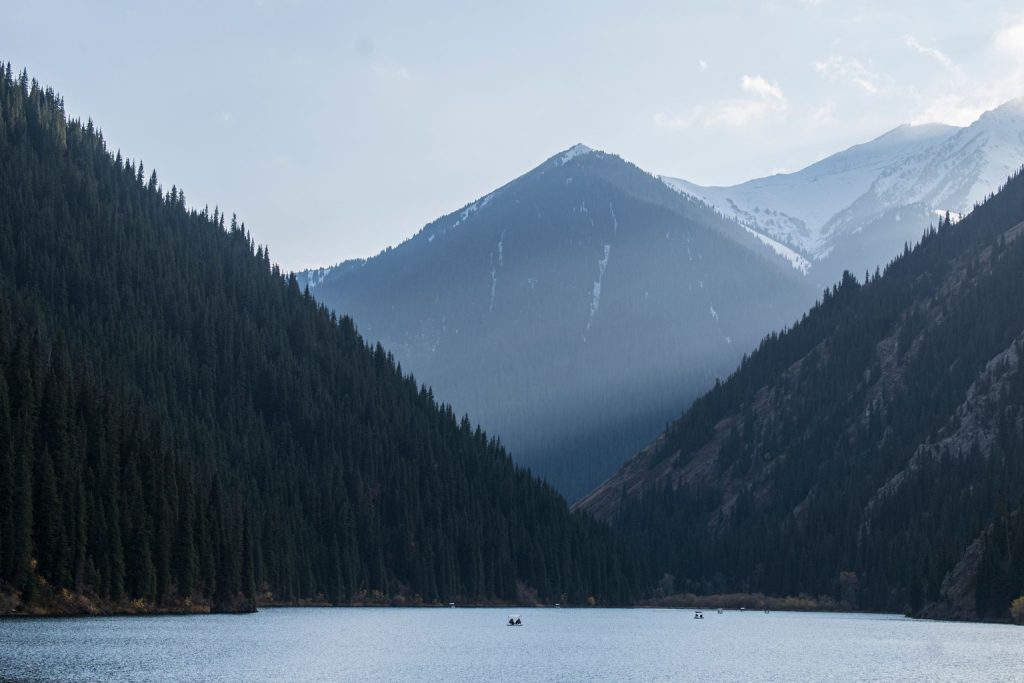
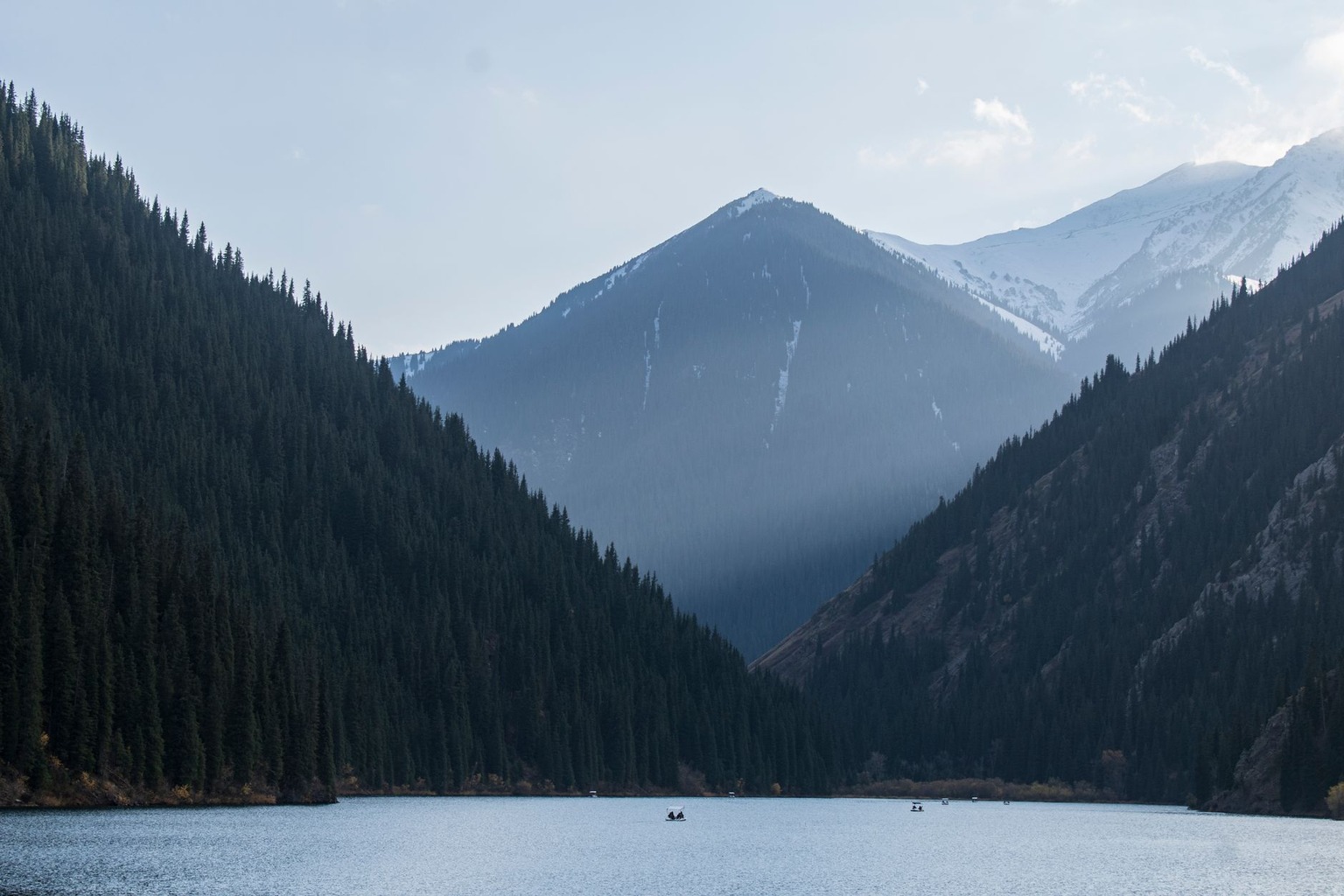
Southern Ontario’s wilderness is a treasure trove for adventurers seeking solitude, where the quiet hum of civilization fades into the rustle of pines and the gentle lapping of hidden lakes. Unlike the overcrowded provincial parks that draw weekend throngs, these secluded spots offer pristine water, towering cliffs, and untouched shorelines, perfect for those who prioritize peace over convenience. The best hidden lakes for camping in Southern Ontario aren’t just distant from the beaten path; they’re embedded in backcountry gems where the only footprints you’ll find are your own. Whether you’re chasing the perfect fishing hole, a campfire that feels like the center of the universe, or the kind of silence that makes your thoughts feel louder, these locations deliver without the hassle of permits or reservations.
How to Identify the Most Remote Hidden Lakes in Southern Ontario
Not all lakes in the region are equal when it comes to seclusion, and the difference often lies in how accessible they are, hidden lakes camping Southern Ontario. Start by focusing on areas like the Algonquin Highlands, the Muskoka Highlands, or the northern reaches of Bruce Peninsula, where provincial parks and conservation areas act as gateways to backcountry hideaways. Look for lakes that are at least a 1.5-hour hike from the nearest trailhead, anything shorter risks encountering other campers or noise from nearby roads. Tools like Ontario’s Ontario Interactive Map or apps like AllTrails can help pinpoint lesser-known lakes, but don’t rely solely on them; many hidden gems lack official trails or even marked campsites. Instead, study topographic maps (like those from the Ontario Ministry of Natural Resources) to spot lakes surrounded by dense forest or ridgelines that block views of neighboring camps. The key is to prioritize lakes with minimal human footprints, often found in areas like the Killarney Provincial Park or the Arrowhead Provincial Park backcountry, where the terrain itself acts as a natural barrier to intruders.
Another telltale sign of a truly secluded spot is the absence of developed campsites. While some hidden lakes may have a single rustic site with a fire ring, others require you to pitch your tent on a flat rock or sandy beach, no amenities, no crowds. For example, Lake 32 in Algonquin Park’s backcountry is a prime example; it’s accessible only via a multi-day portage from a more developed lake, ensuring that by the time you arrive, you’re the only ones enjoying its glassy waters. Always check local regulations, as some of these lakes are protected under Ontario’s Wilderness Areas Act, meaning you must adhere to strict leave-no-trace principles. The best hidden lakes for camping in Southern Ontario aren’t just about distance, they’re about respecting the land and leaving it as you found it.
Essential Gear for Backcountry Camping on Remote Lakes
Camping on hidden lakes demands gear that’s lightweight yet rugged, because you’ll likely be carrying everything from your car to the campsite, sometimes over rough terrain or portages of up to 5 kilometers. A compact, four-season tent with a rainfly is non-negotiable, as weather in these areas can shift from sun to storm in hours. Look for models like the MSR Hubba Hubba NX, which weighs just under 2 pounds and stands up to wind and rain without collapsing. Packing a waterproof sleeping pad is equally critical; the ground on rocky or sandy shores can be unforgiving, and hypothermia is a real risk if you’re not insulated from the cold. Layering is your best friend, start with a moisture-wicking base layer, add a fleece mid-layer, and top it off with a waterproof shell like the Patagonia Torrentshell Jacket, which breathes well even when wet.
Food storage is another critical consideration, as bears and raccoons are common in these areas. Use a bear-proof canister like the BearVault BV500, which is small enough to fit in your backpack but sturdy enough to resist even the most determined critter. For cooking, a portable stove like the MSR PocketRocket 2 is ideal, it’s fuel-efficient, lightweight, and can boil water for coffee or pasta in under five minutes. Don’t forget a headlamp with extra batteries; navigation in the dark is tricky on unfamiliar terrain, and you’ll need it for late-night fires or unexpected delays. Finally, invest in a good pair of waterproof hiking boots with ankle support, as many hidden lakes require traversing uneven terrain or crossing shallow streams. The right gear turns a potentially uncomfortable trip into a seamless escape, where the only thing separating you from nature is your own presence.
Navigating to Hidden Lakes: Trails, Portages, and Hidden Entrances
The journey to a hidden lake often feels like a puzzle, with trails that wind through dense forests or require creative navigation to avoid crowds. For example, to reach Lake 48 in Algonquin Park, you’ll start at the Opeongo Lake Trailhead and follow the Lake 48 Trail, a 3.5-kilometer hike that climbs steadily before opening into a secluded bay. The key is to time your departure early, before 7 AM, to avoid other hikers, and to listen for the sounds of waterfalls or distant loons that might guide you off the main path. Many hidden lakes have unofficial entrances, like narrow gaps in ridges or shallow fords across creeks, which require a bit of trial and error to discover. Apps like Gaia GPS can help, but don’t rely on them entirely; some trails aren’t mapped, and the best routes are often learned from experienced campers or local guides.
For more great ideas, Ryan’s Routes covers the best places to backcountry camp in Ontario in this helpful video you can watch right here.
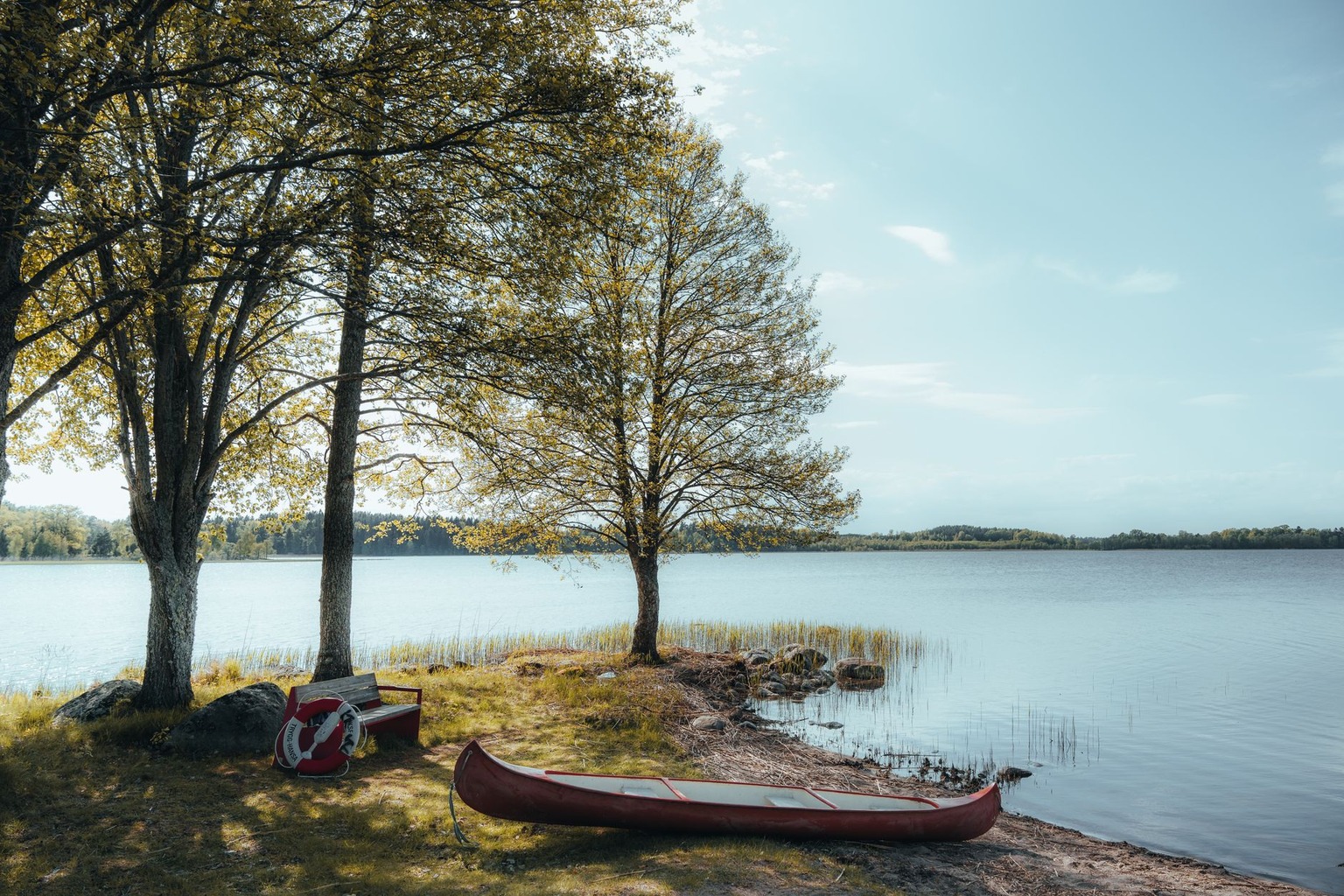
Portages are another way to bypass crowds and reach the most remote spots. For instance, the Lake 32 Portage in Algonquin connects to a series of interconnected lakes, each more secluded than the last. A 4-kilometer portage from Lake 31 to Lake 32 means you’ll arrive at your destination well after most day-trippers have turned back. When portaging, use a lightweight canoe or kayak with a carrying handle, as these are easier to maneuver through tight spaces than bulky backpacks. Always check water levels before committing to a portage, some creeks can be impassable after heavy rain, forcing you to find alternative routes. And if you’re carrying a tent or cooler, distribute the weight evenly to avoid straining your back. The best hidden lakes for camping in Southern Ontario aren’t just about the destination; they’re about the adventure of getting there.
Setting Up Camp: Choosing the Right Spot and Fire Safety
Once you’ve arrived at your hidden lake, the next challenge is finding the perfect campsite, one that’s flat, dry, and close to water but not in a floodplain. Look for natural clearings where the soil is sandy or covered in pine needles, as these dry out quickly after rain. Avoid setting up near dead trees or low-hanging branches, as wind or storms can turn them into hazards. If the lake has a sandy beach, that’s ideal, but if not, search for a rocky outcrop or a gentle slope that drains well. Always clear a 1-meter area around your tent of debris, and if you’re using a fire ring, ensure it’s at least 3 meters from your tent and other flammable materials. Fire safety is non-negotiable in these areas, where dry conditions can turn a small blaze into a wildfire in minutes. Bring a shovel and water, and never leave a fire unattended, even for a quick hike to the lake.
Firewood is another consideration, as many provincial parks restrict the use of firewood from outside the area to prevent the spread of invasive species like the emerald ash borer. Instead, collect deadfall wood from the ground, never cut live trees, and split it into small pieces for easier burning. A compact stove like the Jetboil can supplement your fire, providing quick heat for meals without the need for a large flame. When choosing a fire spot, opt for a downwind location so smoke doesn’t drift toward your tent. And if you’re camping near a waterfall or steep cliff, be extra cautious, rocks can become dislodged by wind or rain, creating unexpected hazards. The best hidden lakes for camping in Southern Ontario offer a sense of freedom, but that freedom comes with responsibility, leaving your campsite cleaner than you found it ensures these spots remain pristine for future visitors.
Fishing, Wildlife, and Respecting the Environment
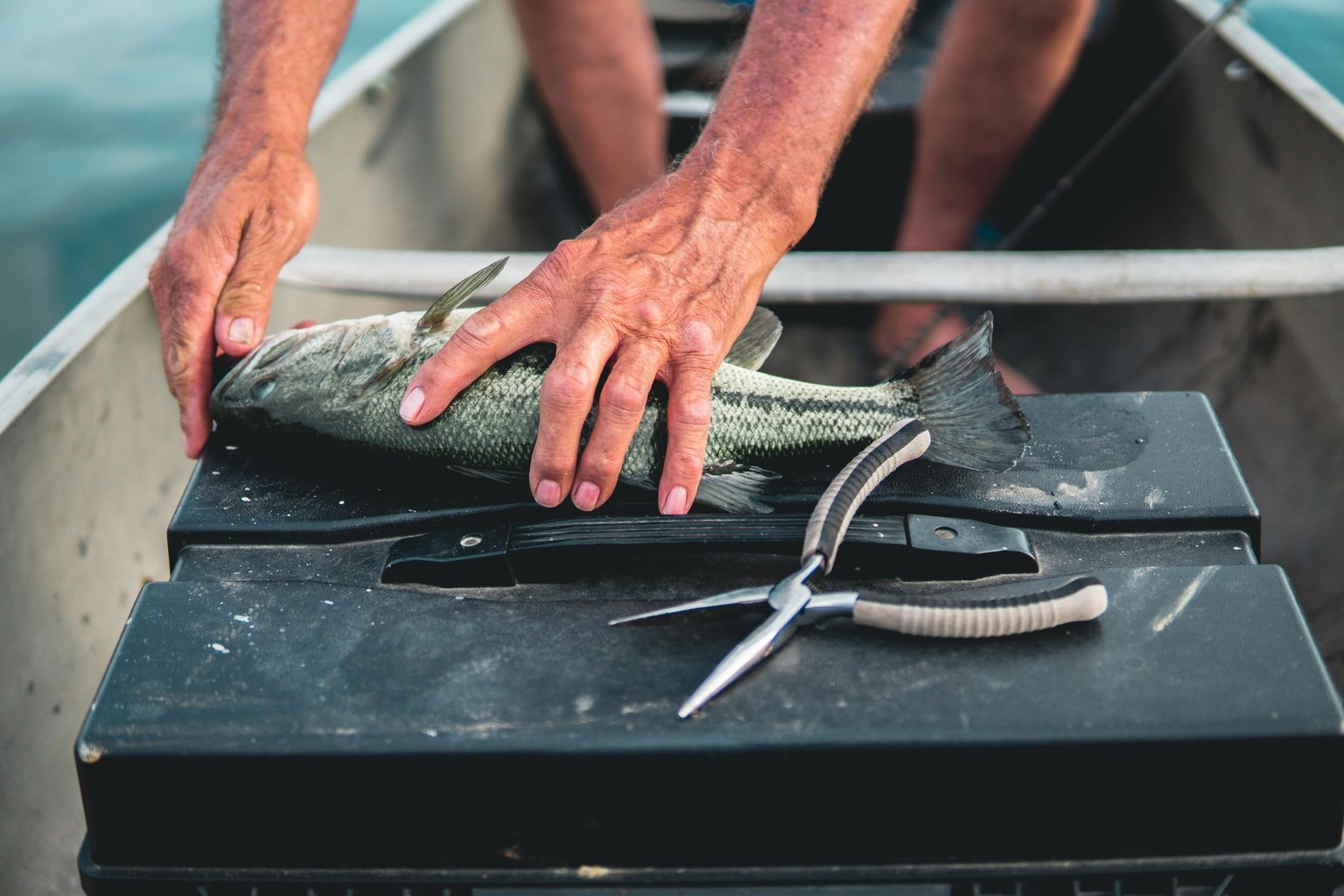
One of the biggest draws of hidden lakes is their untouched fishing opportunities, where bass, pike, and walleye bite freely without the pressure of anglers from nearby resorts. The best spots are often near rocky points or submerged wood, where fish congregate to ambush prey. A medium-action spinning rod with a 6- to 10-pound line is versatile enough for most species, and a small tackle box with live bait like minnows or worms can make the difference between a quiet afternoon and a productive one. Just remember to follow Ontario’s fishing regulations, including size and bag limits, and always practice catch-and-release if you’re not planning to eat your catch. Some hidden lakes are also home to rare species like brook trout, so handle fish with wet hands to avoid damaging their slime coat.
Wildlife encounters are inevitable in these areas, but they’re usually harmless if you’re prepared. Black bears are common, especially near food sources, so store all scented items, including toiletries, in a bear-proof canister. Moose and deer are also frequent visitors, particularly at dawn and dusk, so keep noise levels down and never approach them. If you’re lucky, you might spot a loon calling from the lake or a beaver dam in the distance, these are the sounds of a healthy ecosystem. Always respect wildlife by giving them space, and never feed them, as this can lead to aggressive behavior. The best hidden lakes for camping in Southern Ontario aren’t just about solitude; they’re about reconnecting with the natural world on its own terms. Leave no trace, and you’ll leave with memories that last far longer than any fish you catch.
Packing Smart: What to Bring and What to Leave Behind
When planning for hidden lakes, less is more, you don’t need a full kitchen or luxury amenities, but you do need the essentials to stay comfortable and safe. Pack a lightweight sleeping bag rated for at least 10 degrees Fahrenheit, even in summer, as nights can be chilly near water. A compact water filter like the Sawyer Squeeze is a game-changer, allowing you to drink from any lake or stream without risking illness. And don’t forget a dry bag for your clothes and electronics, rain or dew can turn a dry campsite into a soggy one in hours. Leave behind anything non-essential, like heavy books or extra shoes, as they’ll only weigh you down. Instead, focus on multi-use items like a bandana (for dust, sun protection, or cleaning), a multi-tool, and a whistle for emergencies. The best hidden lakes for camping in Southern Ontario reward those who come prepared, not those who overpack.
One common mistake is bringing too much food, which attracts wildlife and increases your carrying load. Instead, opt for calorie-dense, non-perishable meals like freeze-dried backpacking food or jerky, and supplement with fresh catches from the lake. A small camp stove and fuel canister take up little space but provide the convenience of hot meals. And while it’s tempting to bring a camera or phone, consider leaving them in your car unless you’re using a waterproof case, these devices are fragile and can be easily lost or damaged in rough terrain. The goal is to minimize what you carry while maximizing your enjoyment, so pack only what you’ll actually use. When you arrive at your hidden lake, you’ll realize that the best things to bring are often the ones you didn’t think you’d need.

I have spent years uncovering the hidden gems and scenic routes across Southern Ontario, from the vineyards of Niagara to the rugged trails of the Bruce Peninsula. My weekends are dedicated to road trips and finding the perfect local diner or cabin stay. I love sharing the diverse beauty and relaxation opportunities found right here in the region.