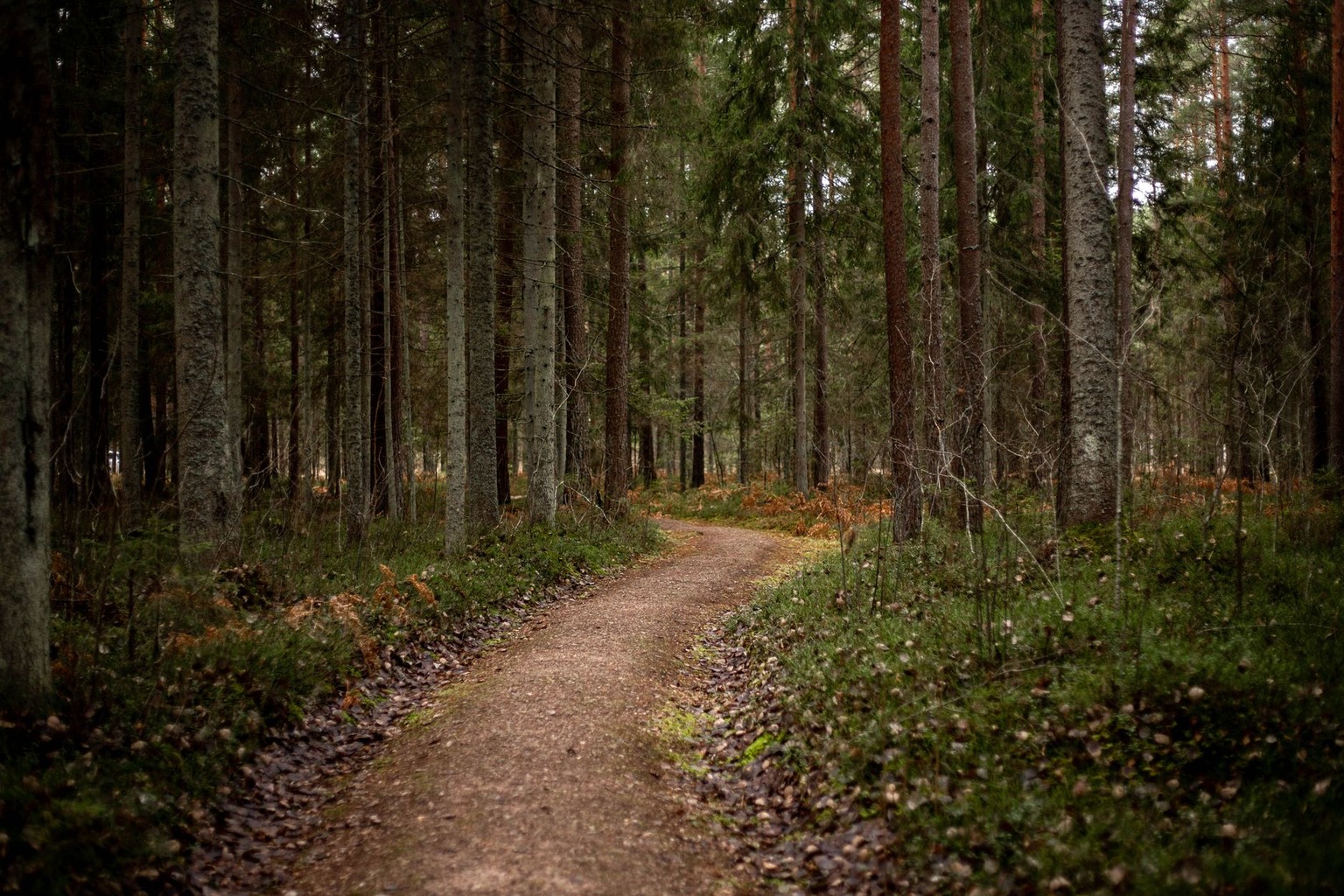
Before heading out for a weekend adventure in Southern Ontario, don’t forget essential travel packing tips to make the most of your trip. The answer lies in selecting the right terrain for your machine, as the region offers a surprising variety of surfaces from sandy forest floors to rocky creek beds. Riders seeking the best dirt biking trails Ontario has to offer need to understand local regulations, seasonal conditions, and specific trail characteristics before packing their gear. This guide walks you through the practical steps to find, access, and enjoy these off-road experiences without getting stuck in mud or fined by conservation officers. You will learn how to match your skill level to specific locations and prepare for the unique challenges of riding in this part of Canada.
Checking Seasonal Access and Trail Conditions
The first step in any successful off-road adventure is verifying that the trail you intend to ride is actually open, because Southern Ontario conservations close many dirt roads during spring thaw to protect the environment. You should call the specific conservation authority or check their online status board before loading your bike onto the trailer, as conditions can change overnight after a rainstorm or a cold snap. For instance, trails in the Bruce Peninsula area may remain closed later into May compared to routes near London due to the slower drainage of clay-heavy soils. Riding on a closed trail not only damages the ecosystem but also voids your liability insurance, so treat these dates as strict boundaries rather than suggestions. Many local riders use smartphone apps that crowdsource real-time mud reports, giving you a more accurate picture than static online calendars provide.
Understanding the microclimate of your specific riding zone helps you predict how long a muddy section will stay passable, saving you hours of frustration on the trail. Sandy trails dry out much faster than rocky or clay-based routes, so if you have just 24 hours after a storm, prioritize sandy terrain for a smoother experience. Check the weather forecast for wind as well, because strong gusts can make narrow single-track sections difficult to navigate by blowing loose debris into your path. Local conservation staff often post weekly condition updates on social media, which is a faster source of information than official websites that may lag behind current realities. Taking five minutes to verify these details before you leave home prevents the most common mistake new riders make: arriving at a trailhead only to find it impassable or closed.
Gathering Essential Gear for Southern Ontario Terrain
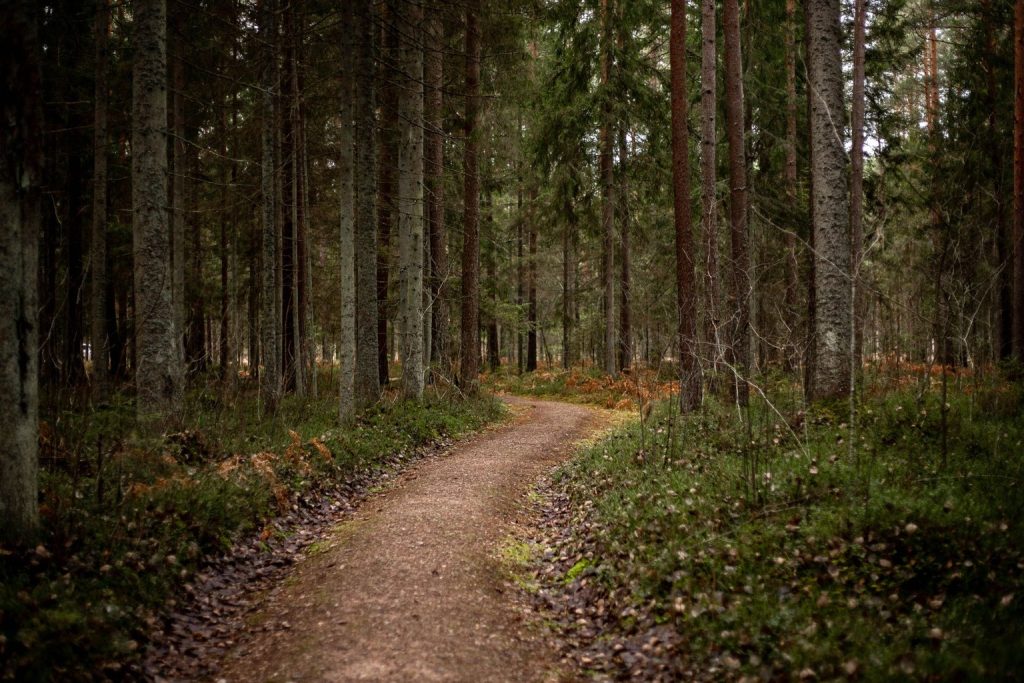
Your equipment must be tailored to the specific challenges of the local landscape, which includes everything from deep sand in the Bruce region to sharp limestone rocks in the Niagara Escarpment. Standard dual-sport tires often struggle in the deeper sandy sections, so consider swapping to knobbier off-road tires if you plan to tackle those specific routes regularly. A higher ground clearance is also beneficial for navigating the root systems found in older forest trails, where a low-hanging exhaust pipe can easily be damaged by an unseen obstacle. Bring extra coolant and fuel because the distances between trailheads and gas stations can be significant, especially in more remote parts of the region like Prince Edward County. Having a basic repair kit with a tire plug and a small wrench addresses the most frequent mechanical issues that occur on rough terrain.
Protective gear goes beyond the basics of helmet and gloves, as the combination of speed and loose gravel creates a high risk for sudden stops and slides. Knee and elbow sliders are essential for protecting your joints when you inevitably need to put a foot down in a tight corner or rocky section. A neck brace adds another layer of safety for high-speed sections where a jump landing might go wrong, reducing the impact on your cervical spine during hard landings. Many experienced riders also carry a first-aid kit specifically designed for outdoor use, which includes items like sterile gauze and antiseptic wipes for treating minor cuts and abrasions. This level of preparation ensures that a small incident does not turn into a major emergency that requires waiting hours for help in a remote location.
Selecting Trails That Match Your Riding Skill
Matching the trail difficulty to your actual riding ability is critical to avoiding injury and ensuring you actually enjoy the experience rather than struggling through it. Beginner riders should start with well-maintained multi-use trails that offer a mix of hardpack and light dirt, allowing them to build confidence in cornering and braking on loose surfaces. Locations near London or Kitchener-Waterloo often have easier access and gentler gradients, making them ideal for those who are still learning how their bike handles in off-road conditions. As your skills improve, you can move to more technical sections that include larger rocks, deeper ruts, and steeper climbs which require better balance and throttle control. The key is to progress gradually, spending a few weeks on easier terrain before attempting the more challenging routes that experienced locals frequent.
On Cardiac Cyclist they cover the Oro Medonte Trailway in Southern Ontario — you can watch it right here.
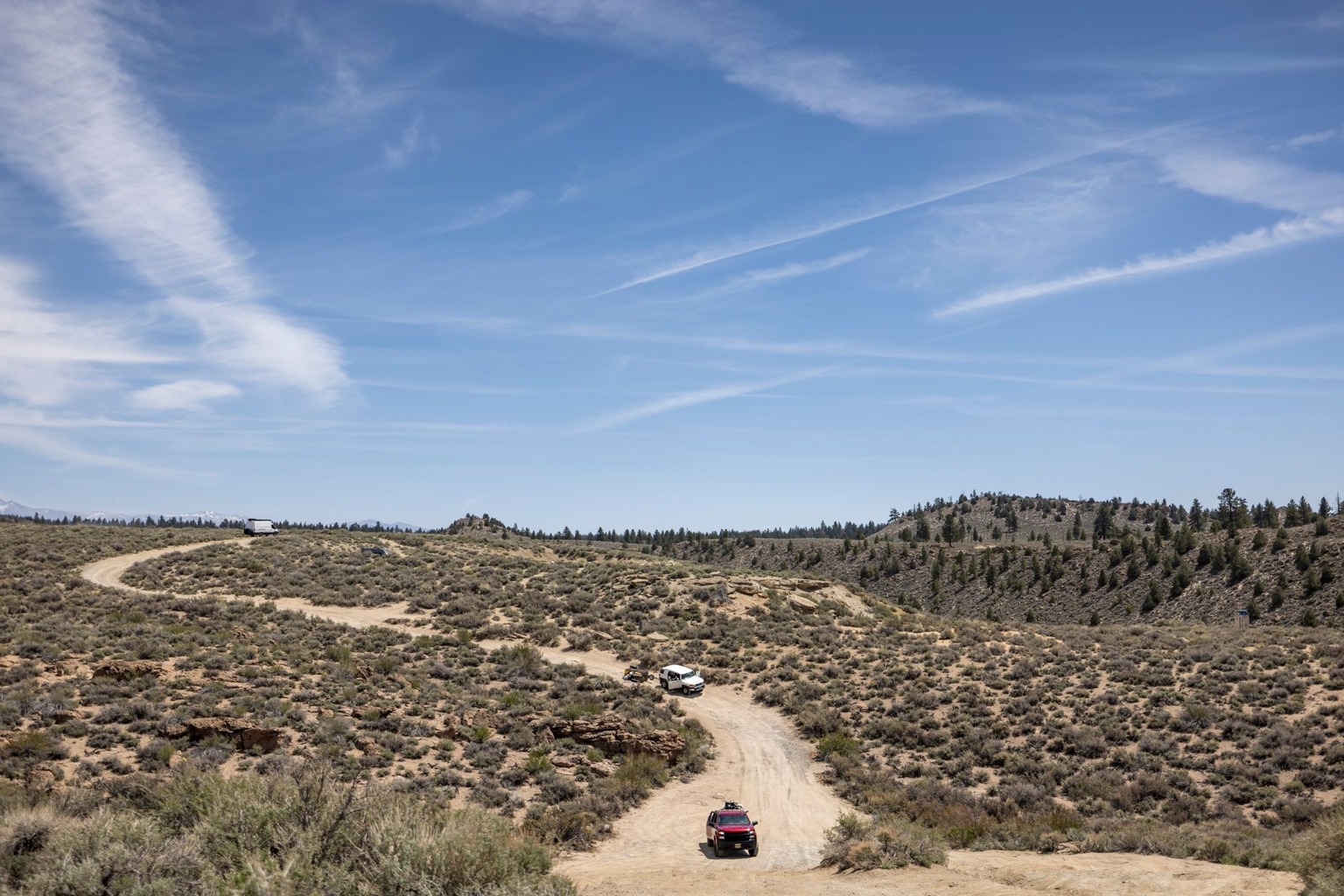
Intermediate and advanced riders will find that the best dirt biking trails Ontario offers for technical challenge are often located in areas with significant elevation changes, such as those found along the Escarpment. These routes feature tight switchbacks, steep descents, and rocky obstacles that demand precise line selection and strong leg strength to manage the bike through rough sections. You should look for trail descriptions that mention specific technical features like rock gardens or rooty sections so you can mentally prepare for the physical demands of the ride. Some trails in this category are long and require full-day endurance, so ensure your bike has sufficient fuel capacity or plan on carrying extra fuel cans. Choosing a trail that is slightly above your current skill level pushes you to improve without being so difficult that you become frustrated or dangerous to yourself.
Navigating Trailhead Access and Parking Logistics
Arriving at the correct trailhead is often easier said than done, as many entry points are marked only by small signs or lack clear signage altogether due to budget constraints. You should download offline maps of the specific area before you lose cell service, because many rural roads in Southern Ontario have poor coverage and GPS signals can drop in dense forest areas. Parking spaces at popular trailheads can fill up quickly on weekends, especially during peak riding season from late May through October, so arriving early in the morning is often necessary. Some conservation areas require a daily vehicle fee even if you are only using the trails, so keep some cash or a card ready to pay at the gate or kiosk upon arrival. Misidentifying the trailhead can lead you to private property, which is a legal issue and an offense to local landowners who depend on their privacy.
Understanding the layout of the trail network before you start riding saves time and prevents you from getting lost in areas where navigation is difficult. Many trails form loops or intersect with other routes, creating a complex web that can be confusing if you do not have a clear plan for your day. Marking your intended turns with small flags or using a GPS device to create waypoints ensures you know exactly where you are and where you need to go next. This is particularly important in foggy conditions or during the early morning hours when visibility is low and trail markers are hard to see. A clear navigation plan allows you to focus on riding rather than constantly stopping to check your position, which makes the experience much more fluid and enjoyable.
Avoiding Common Mistakes on Sandy and Rocky Sections
One of the most frequent errors riders make is trying to force their way through deep sand with high throttle input, which causes the rear wheel to dig in and bury itself further into the loose material. The correct technique is to keep your momentum steady and avoid sudden acceleration or braking, allowing the bike to float over the surface rather than plow through it. If you do get stuck, lean forward on the handlebars to shift weight to the front wheel, which helps it dig in for traction while you gently twist the throttle. Rocky sections require a different approach, where you should keep your speed moderate and your body position centered to maintain balance over uneven surfaces. Avoiding these common mistakes significantly reduces the risk of crashes and mechanical damage, allowing you to complete your ride without unnecessary delays or repairs.
Another critical mistake is underestimating the physical demands of off-road riding, which requires much more upper body strength and core stability than pavement riding. You should arrive at the trailhead with fresh energy rather than being tired from other activities, as fatigue leads to poor judgment and slower reaction times on technical sections. Hydration is also essential, as the combination of physical exertion and warm weather can lead to dehydration that affects your focus and coordination. Taking short breaks to stretch and hydrate helps maintain your performance levels throughout the ride, preventing the muscle cramps that can occur when you push too hard for too long. By respecting the physical aspect of riding, you ensure that you remain in control of your bike and make safer decisions on the trail.
Respecting Local Regulations and Landowners
Riding in Southern Ontario means sharing trails with hikers, cyclists, and wildlife, so courtesy and awareness are essential components of a positive experience. Always yield to other users on shared trails, moving your bike to the side to allow them to pass safely without feeling rushed or threatened. Keep your speed appropriate for the conditions, slowing down significantly in areas with high visibility or where other people might be present unexpectedly. Dispose of any trash you bring and leave the trail as you found it, picking up any litter you see even if it is not yours. This respect for the environment and other users helps maintain access to these trails for the long term, preventing restrictions that could limit future riding opportunities.
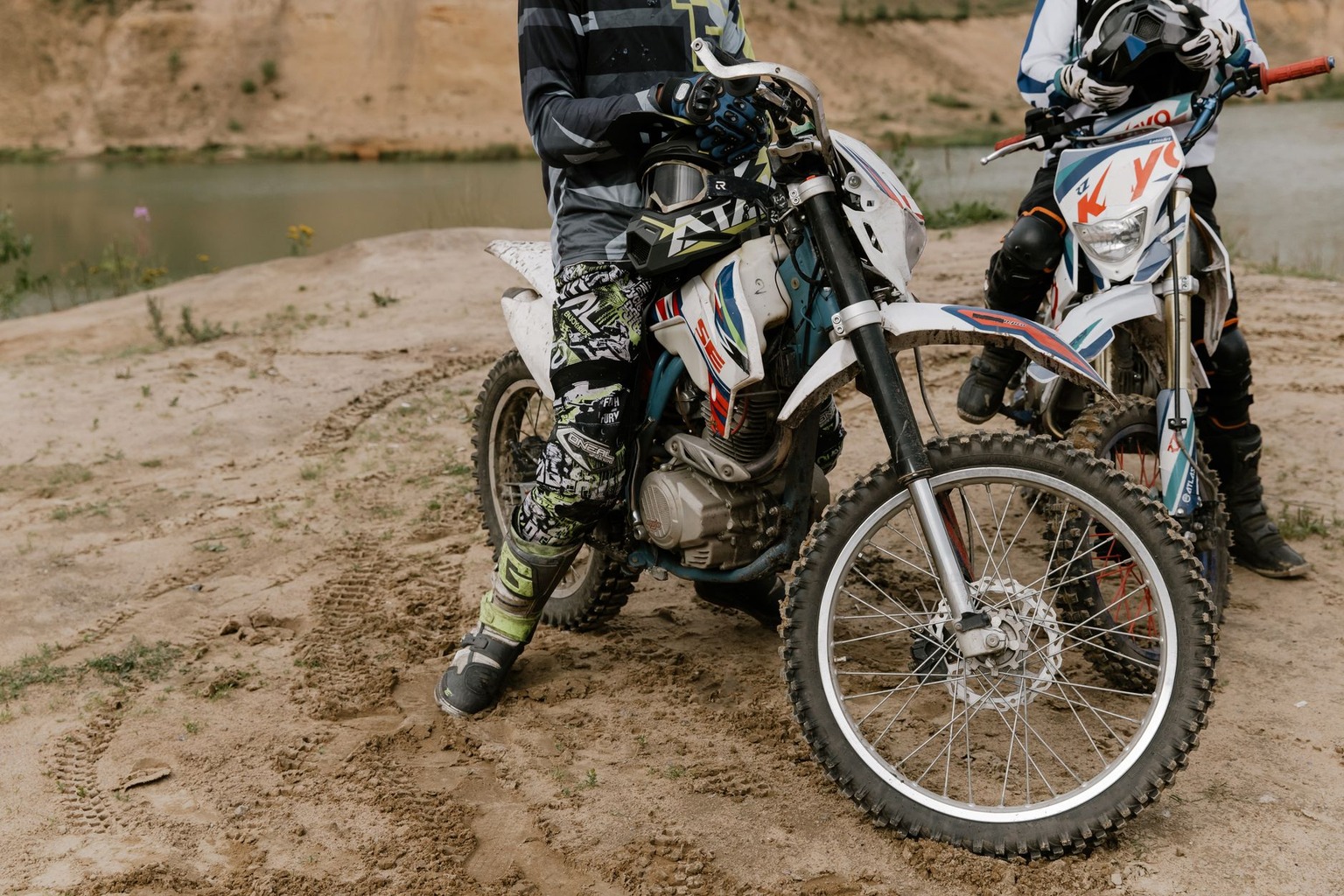
Understanding the specific rules of each conservation area is crucial, as regulations can vary significantly from one location to another within the same region. Some areas restrict riding to certain hours or require a special permit for off-road vehicles, which you must obtain before entering the trail system. Familiarizing yourself with these rules prevents fines and ensures that your riding remains legal and responsible in the eyes of local authorities. If you are unsure about a specific regulation, call the conservation office directly to clarify rather than guessing, as incorrect assumptions can lead to serious consequences. Responsible riding habits not only protect you but also help build goodwill with the local community and land management agencies.
Planning Your Route for Maximum Enjoyment
The best dirt biking trails Ontario offers are often part of larger networks that can be combined into multi-day adventures if you have the time and resources. Planning a route that includes varied terrain, such as starting with easy sand and ending with technical rock, allows you to build endurance before tackling the hardest sections. Consider incorporating stops at local viewpoints or cafes where you can rest and refuel, making your ride a complete travel experience rather than just a series of turns. Many riders find that adding a scenic drive between trail segments enhances the overall adventure, allowing them to enjoy the beauty of Southern Ontario’s diverse landscapes. This approach turns a simple ride into a memorable journey that highlights the best of what the region has to offer.
Documenting your experience with photos or videos adds another layer of enjoyment and provides a record of your progress over time. Set up your camera at key points along the trail to capture the scenery and your friends’ riding skills, creating a visual diary of your adventures. Sharing these moments with the local riding community can help you discover new trails and connect with other enthusiasts who share your passion for off-road travel. This sense of community makes the sport more enjoyable and provides a support network for when you need advice or assistance on the trail. By planning your route with an eye toward both physical challenge and scenic beauty, you create a balanced experience that satisfies both your adrenaline needs and your desire for natural beauty.

I have spent years uncovering the hidden gems and scenic routes across Southern Ontario, from the vineyards of Niagara to the rugged trails of the Bruce Peninsula. My weekends are dedicated to road trips and finding the perfect local diner or cabin stay. I love sharing the diverse beauty and relaxation opportunities found right here in the region.