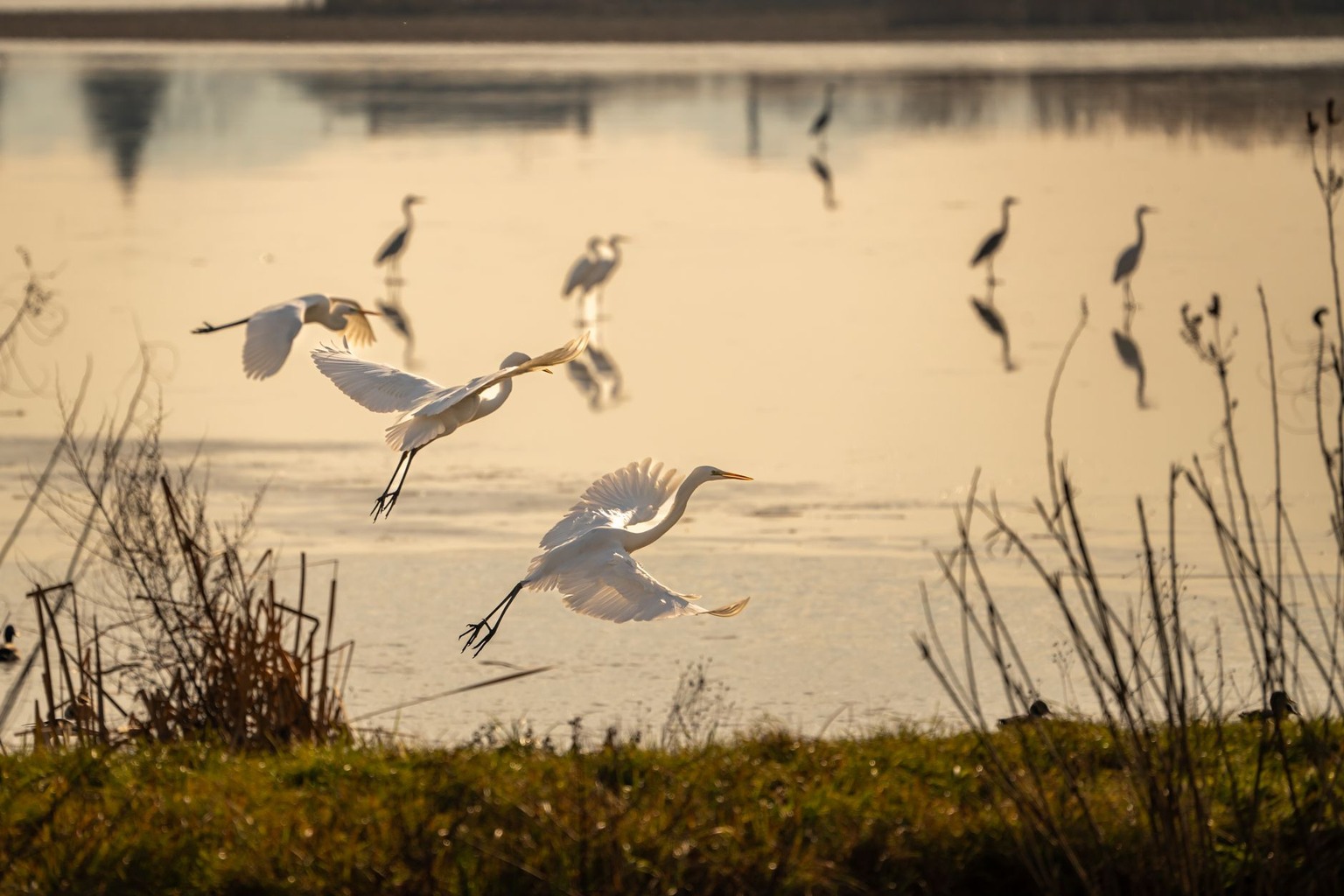
Southern Ontario’s bird migration routes aren’t just a natural spectacle, they’re a hidden treasure for travelers seeking immersive, off-the-beaten-path experiences. Whether you’re planning a weekend getaway in Niagara-on-the-Lake, a nature-focused road trip along the Bruce Peninsula, or a quiet retreat in the Ottawa Valley, understanding these routes transforms your trip from a generic visit into a purposeful adventure. The region’s diverse ecosystems, from the Great Lakes shoreline to the rolling hills of Elgin County, act as critical waypoints for millions of birds each spring and fall. What makes this especially rewarding for visitors is that these migrations coincide with peak travel seasons, letting you combine birdwatching with scenic drives, charming small towns, and local cuisine. But timing, location, and preparation matter. Without the right knowledge, even the best spots can feel underwhelming. To make the most of your trip to Southern Ontario, follow these essential packing tips that will help you prepare for any adventure.
Understand the Seasons and Timing for Peak Migration
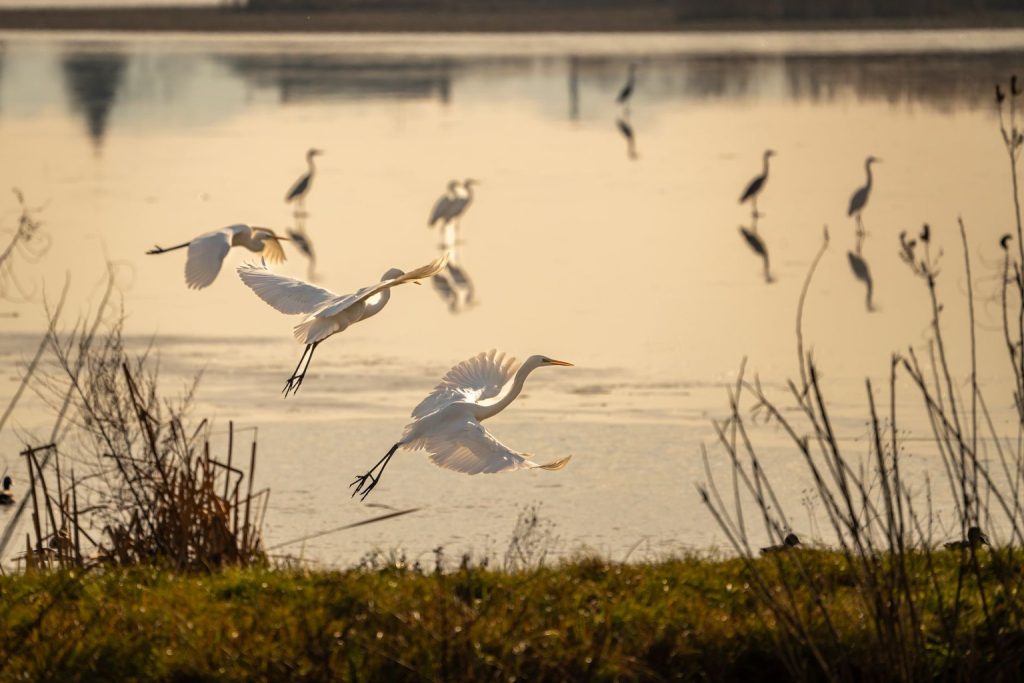
The first rule of birdwatching in Southern Ontario is knowing when to go. Spring migration typically begins in late March and stretches through May, while fall migration peaks between mid-August and October. For travelers, spring offers the advantage of longer daylight hours and blooming landscapes, making it ideal for day trips from Toronto or Hamilton. Fall, however, often delivers higher concentrations of birds, especially waterfowl and songbirds, as they prepare for southern journeys. The key species to target include warblers, ducks, and herons, which pass through the region in predictable waves. For example, the first wave of warblers usually arrives in early May, while waterfowl like Canada geese and mallards dominate fall routes. Pro tip: Check the Ontario Bird Records Database for weekly updates on sightings, which can shift based on weather patterns. A sudden cold snap might delay migration by a week or two, so flexibility is your best tool. Avoid planning trips during extreme weather, thunderstorms or heavy winds can disrupt flights and make conditions miserable for both birds and observers.
If you’re visiting in spring, align your trip with local festivals. The Toronto Bird Festival, held annually in May, combines guided tours, expert talks, and access to prime spots like Rouge National Urban Park. For fall, the Niagara Peninsula’s annual migration events highlight raptors like bald eagles and ospreys, often with live tracking displays. These events are perfect for beginners, as they provide gear rentals, binoculars, and even bird ID workshops. Never assume you’ll see everything in one day, migrations unfold over weeks, so spread your visits across multiple days. For instance, a weekend in Prince Edward County in late September might yield warblers along the shoreline, while a stop in Point Pelee in early October could reveal thousands of shorebirds. Pair these visits with local wineries or craft breweries to blend nature with relaxation, ensuring your trip feels like a true getaway.
Choose the Right Locations Based on Bird Species and Accessibility
Southern Ontario’s migration routes aren’t scattered randomly, they follow natural corridors like the Great Lakes shoreline, river valleys, and agricultural fields. The most reliable spots for travelers are those that balance high bird diversity with easy access. Point Pelee National Park, often called the “Bird Capital of Canada,” is a must-visit for fall migrations, especially for warblers and shorebirds. Its long, narrow peninsula acts as a funnel, concentrating birds as they fly over Lake Erie. For a more urban escape, Rouge National Urban Park, just 20 minutes from downtown Toronto, offers a mix of wetlands and forests where you might spot wood thrushes and red-tailed hawks. Less crowded but equally rewarding is the Bruce Peninsula, where the cliffs at Flowerpot Island draw migrating raptors like peregrine falcons.
Accessibility is critical for travelers with limited time. Parks like Point Pelee and Long Point offer well-maintained trails and visitor centers with expert guides, making them ideal for first-timers. For a self-guided experience, the Niagara Escarpment’s Bruce Trail provides stunning vistas and side trails leading to wetlands where you might see warblers and vireos. Avoid overrated spots like the Toronto Islands, which can feel crowded and lack the diversity of inland sites. Instead, prioritize lesser-known gems like the Greenbelt trails near Mississauga or the wetlands along the Grand River in Kitchener-Waterloo. Pro tip: Use the Ontario Parks app to check trail conditions and parking availability, as some popular spots fill up by mid-morning. If you’re traveling with kids, the Toronto Zoo’s bird sanctuary or the Royal Botanical Gardens in Hamilton offer hands-on experiences with educational signage, making the trip feel like a mini-adventure rather than a chore.
Pack the Right Gear and Know How to Use It
Binoculars aren’t optional, they’re essential for distinguishing species at a distance. For travelers, a pair with 8×42 magnification offers the best balance between clarity and portability. Brands like Vortex or Nikon are reliable choices, and many outdoor stores rent gear if you’re unsure what to buy. Don’t skimp on comfort; a neck strap with a quick-release buckle prevents fatigue during long walks. A field guide, like the Sibley Birds of Eastern North America, is a must, but apps like Merlin Bird ID can help identify species on the spot using your phone’s camera. For fall migrations, a spotting scope (15x-20x magnification) can reveal raptors circling high above, especially at sites like the Niagara River Gorge.
On GeoGlobeTales, they cover amazing animal migrations – you can watch this video on the longest bird migration right here.

Clothing matters almost as much as optics. Layering is key, mornings can be chilly even in summer, while afternoons may heat up. Opt for neutral colors like olive green or khaki to blend into the environment, reducing stress on birds. Waterproof boots are a necessity, especially near wetlands or after rain. Avoid bright colors or strong perfumes, which can deter birds. For extended trips, bring a small notebook to jot down sightings, including dates, locations, and behaviors. This helps track patterns and share observations with local birding groups. A common mistake is relying solely on binoculars; train your eyes to spot movement and silhouettes against the sky. Practice at home by watching bird feeds or local parks to sharpen your skills before your trip. If you’re visiting during dawn or dusk, bring a headlamp for safety, many migration hotspots lack adequate lighting.
Plan Your Itinerary Around Key Migration Hotspots and Local Experiences
Combining birdwatching with other attractions makes your trip more enjoyable and sustainable. For example, a day trip to Point Pelee can include a stop at Leamington’s apple orchards, where you might spot migrating warblers in the trees while sampling local cider. Similarly, a visit to the Toronto Islands includes a ferry ride from downtown, followed by birding along the shoreline and a picnic at Centre Island. Fall trips to the Niagara region often pair birdwatching with wine tastings in Niagara-on-the-Lake or a visit to the Niagara Falls Conservation Area, where you can see eagles perched on cliffs before the crowds arrive. For a more off-the-beaten-path experience, the Saugeen Peninsula offers quiet beaches and forests where you might encounter rare migrants like the cerulean warbler.
Timing your meals around migration activity maximizes your chances of sightings. Early mornings are ideal, birds are most active before sunrise, and the air is still. Pack a thermos of coffee or tea for the trail, and arrive at your destination by 6:30 AM to set up before the sun rises. For fall migrations, late afternoon is also productive, as birds feed before their nighttime journey. Pair these outings with local dining experiences; for instance, a breakfast at the Birds Eye Café in Toronto’s Leslieville neighborhood or lunch at the Point Pelee Inn after a morning of birding. Avoid rushing between spots, allow at least two hours at each location to fully appreciate the surroundings. If you’re traveling with a group, consider hiring a local guide, such as those offered through the Toronto Bird Club, who can share lesser-known spots and tips for spotting elusive species. Always check for closures or restrictions, especially in protected areas like the Bruce Peninsula’s Fathom Five National Marine Park.
Avoid Common Mistakes That Ruin the Experience
The biggest mistake travelers make is underestimating the importance of patience. Birds don’t perform on demand, they move at their own pace, and sightings often require waiting silently for minutes or even hours. A common frustration is expecting to see the same species every visit; migrations are unpredictable, and some years may yield fewer birds due to weather or habitat changes. For example, a dry summer can reduce insect populations, making it harder for warblers to fuel their flights. To combat this, research seasonal trends for your visit date and adjust expectations accordingly. Another pitfall is ignoring local regulations, some parks prohibit feeding birds or require permits for guided tours. Always check Ontario Parks’ guidelines before visiting protected areas like the Long Point Bird Observatory, where research activities may limit public access.
Overlooking safety is another critical error. Wetlands and shorelines can be treacherous, especially after rain, and some areas lack marked trails. Carry a fully charged phone, wear reflective gear if hiking at dawn or dusk, and let someone know your plans. Avoid getting too close to nests or active birds, disturbing them can lead to fines in protected areas. A lesser-known issue is noise pollution; loud voices or sudden movements can scatter flocks, making it harder to observe them. Instead, speak softly and move slowly. If you’re birding with kids, keep them engaged with simple challenges, like spotting the first bird of the day or identifying a specific call. Finally, don’t dismiss weather forecasts, strong winds or storms can ground migrations entirely, so have backup plans like visiting a local museum or taking a scenic drive along the Trans-Canada Trail.
Extend Your Trip with Local Birding Communities and Events
Southern Ontario’s birding scene thrives on community, and joining local groups can elevate your experience beyond solo sightings. Organizations like the Toronto Bird Club, the Niagara Peninsula Bird Observatory, and the Elgin County Bird Club offer guided walks, workshops, and even weekend retreats. These groups often share real-time sightings on social media or through apps like eBird, helping you track rare migrants like the prothonotary warbler. For fall, the Monarch Watch program in Elgin County provides hands-on milkweed planting and tagging workshops, letting you contribute to conservation while learning about monarch migrations. Many of these events are free or low-cost, making them accessible for travelers on a budget.
Events like the Great Backyard Bird Count in February or the Ontario Christmas Bird Count in December are great ways to meet fellow enthusiasts and learn from their experiences. These counts also provide valuable data to scientists, so your participation directly supports conservation efforts. For a more immersive stay, consider booking a night at a bird-friendly inn, like the Point Pelee Inn or the Royal Botanical Gardens’ Nature Lodge, which often host birding-themed retreats. These lodges offer guided tours, educational talks, and even cooking classes featuring locally foraged ingredients. Pairing your trip with these events ensures you leave with new friends, deeper knowledge, and a sense of connection to the region’s wildlife. Always check event calendars in advance, as popular spots like the Niagara River Gorge fill up quickly, especially during peak migration months.

I have spent years uncovering the hidden gems and scenic routes across Southern Ontario, from the vineyards of Niagara to the rugged trails of the Bruce Peninsula. My weekends are dedicated to road trips and finding the perfect local diner or cabin stay. I love sharing the diverse beauty and relaxation opportunities found right here in the region.