Introduction to Eco Tourism in Southern Ontario
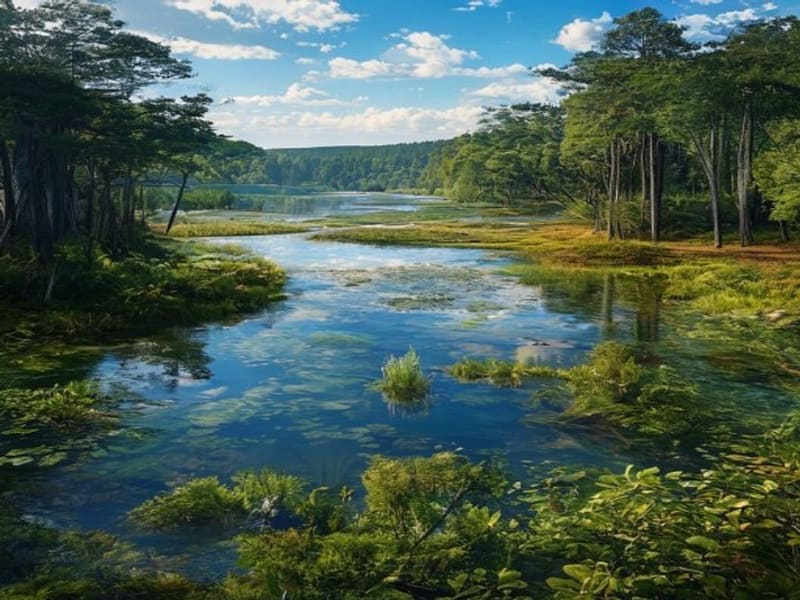
Eco tourism in Southern Ontario offers a unique opportunity to explore some of Canada’s most stunning natural landscapes while embracing the principles of sustainable travel. As a region rich in biodiversity, lush forests, expansive wetlands, and pristine waterways, Southern Ontario has become a premier destination for nature tourism enthusiasts seeking to connect with the environment in a responsible and meaningful way.
At its core, eco tourism is about minimizing the impact on the environment while supporting the preservation of natural habitats and local cultures. In Southern Ontario, this approach is taken seriously, with countless initiatives and protected areas dedicated to fostering sustainability across the tourism industry. Visitors are encouraged to enjoy the region’s natural beauty without compromising the health of ecosystems, ensuring that future generations can experience the same wonders.
Southern Ontario’s commitment to sustainable travel is evident in the numerous eco-friendly accommodations, guided nature tours, and educational programs available throughout the area. Whether it’s exploring the Niagara Escarpment, paddling along the shores of the Great Lakes, or hiking through provincial parks, eco tourism activities are designed to promote environmental awareness and conservation. This balance between leisure and responsibility makes Southern Ontario an ideal destination for travelers who value sustainability alongside adventure.
Moreover, eco tourism in Southern Ontario plays a vital role in supporting local communities and economies by encouraging low-impact and culturally sensitive tourism practices. By choosing eco-friendly experiences, travelers contribute to the preservation of natural spaces while also benefiting small businesses and indigenous groups committed to sustainable development. This holistic approach not only protects the environment but also enriches the social and cultural fabric of the region.
In summary, Southern Ontario represents a shining example of how eco tourism can thrive when paired with a strong dedication to sustainability. Its breathtaking landscapes, combined with a growing network of eco-conscious travel options, make it a must-visit destination for anyone eager to experience nature tourism responsibly. As interest in sustainable travel continues to grow worldwide, Southern Ontario stands out as a leader, inviting visitors to explore and protect its remarkable natural treasures.
Top Eco Tourism Destinations in Southern Ontario
Southern Ontario is home to some of the most remarkable eco destinations, offering travelers unparalleled experiences in nature and wildlife viewing. Among the region’s most cherished gems are its diverse Southern Ontario parks, nature reserves, and wildlife sanctuaries that promote sustainable travel and environmental conservation. Whether you’re seeking scenic nature trails, vibrant wetlands, or quiet woodland retreats, these destinations provide the perfect blend of outdoor adventure and ecological responsibility.
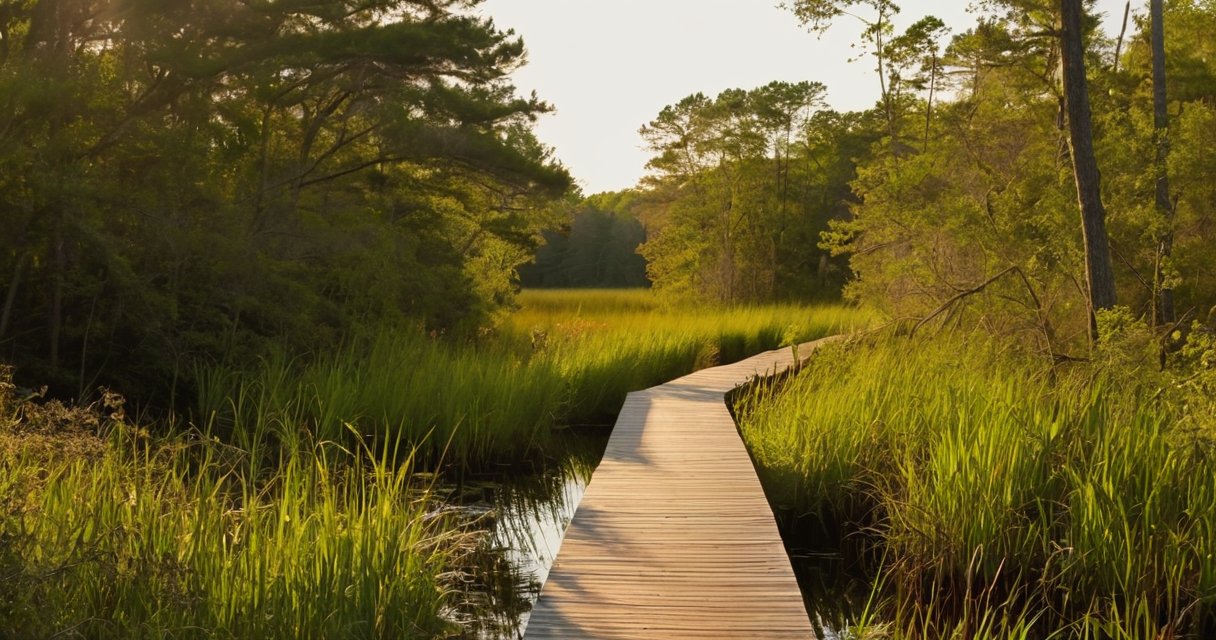
One of the top eco-friendly Southern Ontario parks is Point Pelee National Park. Renowned for being a birdwatcher’s paradise, it is one of Canada’s smallest national parks but rich in biodiversity. Visitors can explore its extensive boardwalks and trails while spotting migratory birds, butterflies, and other wildlife in their natural habitat. The park’s dedication to ecological preservation makes it a must-visit for eco-conscious travelers.
Another standout is Rondeau Provincial Park, offering some of the best nature trails in Southern Ontario. This park protects the unique Carolinian forest ecosystem, home to many rare plants and animals. Hiking through its well-maintained trails allows visitors to immerse themselves in this fragile environment while practicing responsible tourism.
For those interested in wildlife sanctuaries, the Toronto Zoo’s Wildlife Centre provides an engaging option. While it is an urban facility, the centre focuses heavily on conservation and education efforts that support endangered species native to Southern Ontario and beyond. Visitors can learn about sustainable practices and animal protection in a controlled environment that prioritizes ecological sustainability.
Additionally, the Forks of the Credit Provincial Park boasts stunning nature reserves and scenic hiking paths. The park features waterfalls and rugged terrains making it ideal for wildlife viewing and photography enthusiasts who want to capture the beauty of Southern Ontario’s natural landscapes. It serves as an excellent example of how outdoor recreation and ecological mindfulness can coexist.
Finally, the Limberlost Forest and Wildlife Reserve offers guided tours that emphasize wildlife observation and habitat preservation. This private reserve is especially noted for its rehabilitation efforts and educational programs that appeal to travelers passionate about supporting eco destinations in Southern Ontario while enjoying immersive experiences in nature.
Together, these Southern Ontario parks, nature reserves, and wildlife sanctuaries create a diverse portfolio of eco tourism options that encourage sustainable travel and deep appreciation for the natural world. Whether you’re hiking through serene forests, exploring wetlands, or observing native wildlife, these destinations offer enriching opportunities to connect with nature responsibly.
Bruce Peninsula National Park
Bruce Peninsula National Park stands as one of Southern Ontario’s premier destinations for eco tourism, offering a unique blend of natural beauty, geological wonders, and rich wildlife habitats. Situated on the rugged Bruce Peninsula, the park boasts a network of hiking trails that wind through dense forests, along dramatic cliffs, and beside crystal-clear turquoise waters. These trails provide visitors with unparalleled opportunities to explore the diverse ecosystems that the park protects.
The park’s geology is a highlight that draws both nature lovers and geology enthusiasts alike. Formed from ancient limestone and dolomite rock, the area showcases striking formations like the famous Flowerpot Rocks and towering cliffs of the Niagara Escarpment, a UNESCO World Biosphere Reserve. This geological heritage not only offers breathtaking scenery but also plays a vital role in supporting the local flora and fauna.
Conservation efforts at Bruce Peninsula National Park are integral to sustaining eco tourism in the region. The park’s management focuses on protecting endangered species and preserving critical habitats, which in turn supports diverse wildlife populations including black bears, foxes, and numerous bird species. Visitors are encouraged to enjoy the natural environment responsibly, following designated paths and practicing Leave No Trace principles to minimize their impact.
Overall, Bruce Peninsula National Park exemplifies the best of eco tourism in Southern Ontario. Its combination of scenic hiking trails, fascinating geological features, and strong conservation initiatives makes it a must-visit for those seeking a meaningful connection with nature.
Point Pelee National Park
Point Pelee National Park is a renowned destination for bird watching enthusiasts and eco tourists alike. Situated at the southernmost tip of Canada’s mainland, the park is a vital stopover for migratory birds, attracting thousands of species each year. This makes it one of the premier bird watching locations in Southern Ontario, offering visitors an unparalleled chance to observe both rare and common birds in their natural habitat.
The park’s extensive wetlands play a crucial role in supporting biodiversity and maintaining ecological balance. These wetlands provide essential breeding grounds and shelter for a variety of wildlife, emphasizing the importance of wetland conservation in the area. Efforts to protect and restore these ecosystems are a core part of the park’s mission, ensuring that future generations can continue to enjoy its natural beauty and rich bird populations.
For eco tourists interested in deepening their experience, Point Pelee offers expertly guided eco tours. These tours are designed to educate visitors on the significance of the park’s diverse habitats, from lush forests to sprawling marshes. Under the guidance of knowledgeable naturalists, tourists can explore the park responsibly while gaining insight into the delicate balance of the wetlands and the vital role they play in supporting bird life.
Overall, Point Pelee National Park stands out as a beacon for eco tourism in Southern Ontario, combining exceptional bird watching opportunities with committed wetland conservation and engaging eco tours. It remains a must-visit for anyone passionate about nature and sustainability.
Sustainable Practices for Eco Tourists
Southern Ontario offers a wealth of natural beauty and diverse ecosystems, making it a fantastic destination for eco tourism. To ensure these environments remain pristine and vibrant for future generations, it’s essential for visitors to embrace sustainable tourism practices. By adopting eco friendly habits and supporting local conservation initiatives, travelers can significantly reduce their environmental impact while enjoying the region’s stunning landscapes.
One of the most effective ways to practice sustainable tourism in Southern Ontario is to respect wildlife and their habitats. Always stay on marked trails to avoid disturbing fragile plant life and nesting areas, and never feed or approach wild animals. Observing wildlife from a distance ensures minimal stress to the creatures and preserves the natural balance of ecosystems.
Transportation choices play a crucial role in reducing your carbon footprint. Opt for eco friendly options such as biking, hiking, or using public transit where available. Carpooling or renting hybrid or electric vehicles can also greatly diminish greenhouse gas emissions compared to solo car trips, aligning with the principles of responsible travel.
Supporting local businesses that prioritize sustainable practices is another impactful way to contribute to eco tourism. Choose accommodations certified for their green initiatives, such as energy efficiency, water conservation, and waste reduction programs. Dining at farm-to-table restaurants and purchasing handmade crafts from local artisans help sustain the community economically while minimizing environmental harm.
Visitors can also engage directly in conservation tips by participating in community clean-ups, tree planting events, or volunteering with local environmental organizations. Many parks and nature reserves in Southern Ontario offer educational programs focused on protecting biodiversity and promoting responsible travel habits, making these opportunities both rewarding and educational.
Additionally, minimizing waste while traveling is a simple yet powerful practice. Carry reusable water bottles, bags, and utensils to reduce single-use plastics. Properly dispose of all trash and recycle when possible to prevent pollution and protect natural habitats.
By integrating these sustainable practices into your visit to Southern Ontario, you contribute to the preservation of its natural treasures and foster a culture of responsible travel. Sustainable tourism is not just about enjoying nature—it’s about ensuring that the environment flourishes long after your trip has ended.
Local Eco Friendly Accommodations and Tours
Southern Ontario offers a variety of eco lodges and green hotels that make sustainability a priority. These accommodations are designed to minimize their environmental footprint while providing guests with comfortable, nature-integrated stays. Many Southern Ontario accommodations use renewable energy sources, incorporate water-saving technologies, and support local food suppliers to ensure an eco-conscious experience.
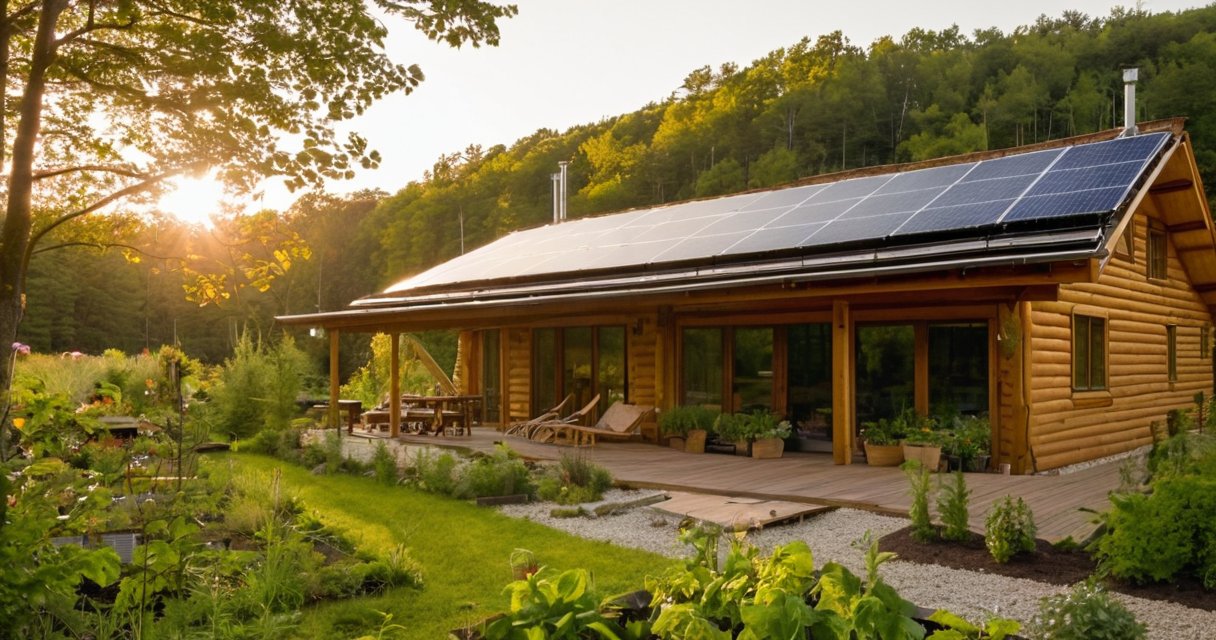
One standout example is the Glen Echo Eco Lodge, nestled in the heart of Prince Edward County. This eco lodge is built with sustainable materials and features solar panels, composting toilets, and organic gardens. Guests are encouraged to engage in low-impact activities that highlight the region’s natural beauty without harming sensitive ecosystems.
In Toronto and surrounding areas, a growing number of green hotels have embraced eco-friendly certifications such as LEED and Green Key. These establishments focus on energy efficiency, waste reduction, and green cleaning products. Staying at these green hotels ensures you’re supporting accommodations committed to environmental stewardship while enjoying urban conveniences.
Beyond lodging, Southern Ontario’s vibrant eco tours offer immersive nature experiences that promote conservation and education. Eco tours here are often guided by experts who emphasize responsible interaction with wildlife and habitats. Popular activities include bird watching, hiking eco trails in provincial parks, and kayaking through protected wetlands.
Operators such as Ontario Eco Adventures provide sustainable eco tours that highlight the unique ecosystems of Southern Ontario. Their tours use low-impact transportation and follow strict guidelines to preserve the flora and fauna. Participants not only explore pristine areas but also learn about ecological challenges and conservation efforts firsthand.
Whether you choose an eco lodge, a green hotel, or join an eco tour, Southern Ontario accommodations and tour operators dedicated to eco-friendly practices offer enriching experiences that respect the environment. These sustainable options help protect the region’s natural heritage while allowing travelers to connect with nature responsibly.

I have spent years uncovering the hidden gems and scenic routes across Southern Ontario, from the vineyards of Niagara to the rugged trails of the Bruce Peninsula. My weekends are dedicated to road trips and finding the perfect local diner or cabin stay. I love sharing the diverse beauty and relaxation opportunities found right here in the region.