Planning a trip across the southern region of Ontario requires balancing historic exploration with local culinary discoveries, especially if you plan on tracking down every single heritage museum sandwich along the way. Food lovers and history enthusiasts often find themselves torn between spending entire afternoons inside quiet exhibition galleries or rushing outside to catch the lunch rush at nearby farm-to-table farmhouses. This regional trail spans multiple counties, connecting nineteenth-century pioneer villages with modern bakeries that reinterpret traditional recipes for contemporary palates. Understanding how to pace your itinerary helps prevent museum fatigue while ensuring you never miss out on regional specialties crafted by local artisans. Every stop offers a distinct perspective on the settlement era, agricultural evolution, and the diverse cultural influences that shaped the contemporary food scene across the province. Drivers heading out on this journey should prepare for scenic rural routes, seasonal opening hours, and small-town bakeries that often sell out of their signature creations before mid-afternoon.
Historical Exhibits Versus Farm Fresh Eateries
Deciding how to divide your daily schedule between preserved historical sites and modern culinary destinations defines the overall rhythm of your regional road trip. Visitors who lean heavily toward education often spend hours examining agricultural machinery and textile looms inside regional archives. Meanwhile, travelers prioritizing gastronomy might skip the indoor galleries entirely to focus on farmers markets and orchards producing heirloom apples and artisanal cheeses. The ideal approach involves alternating morning museum tours with long, leisurely lunches at nearby country bistros that source their ingredients from surrounding fields. This balanced routine keeps younger travelers engaged and prevents adults from experiencing cognitive overload after viewing too many glass display cases.
Budgeting your time effectively means accepting that you cannot tour every single historic homestead and still enjoy a sit-down meal at a renowned regional smokehouse. Rural museums often close their gates by four in the afternoon, which means early lunches are essential if you want to pair a morning exhibit with a substantial midday meal. Some travelers prefer packing a picnic basket filled with local cheeses, cured meats, and fresh bread bought directly from roadside farm stands. Others treat themselves to a heritage museum sandwich served in a restored nineteenth-century tavern located right on the museum grounds. Each method offers a valid way to experience the past, though visiting an on-site historical kitchen adds an authentic sensory dimension to your historical research.
Weather conditions and seasonal schedules heavily influence your daily choices between indoor historical displays and open-air food trails. Autumn brings crisp harvest festivals where roadside pumpkin patches and cider mills draw massive crowds away from traditional indoor exhibits. Springtime brings muddy rural roads and limited hours for outdoor heritage attractions, making cozy downtown bakeries and indoor culinary workshops much more appealing. Checking operating calendars before you leave home prevents frustrating arrivals at locked gates and empty parking lots. Flexibility remains your best asset when navigating the rural highways and hidden valleys of this remarkable Canadian region.
Urban Downtown Cores Versus Rural Country Roads
Navigating the culinary trail involves a distinct choice between exploring bustling downtown heritage districts or driving quiet concession roads in search of hidden farm gates. Urban centers like Windsor and nearby historic towns offer dense clusters of eateries, museums, and boutique shops within easy walking distance of one another. You can park your car in a central municipal lot and spend an entire afternoon hopping between coffee roasters, historical plaques, and local sandwich shops. City explorations provide convenience and variety, allowing you to sample multiple culinary traditions in a single afternoon without burning excess fuel.
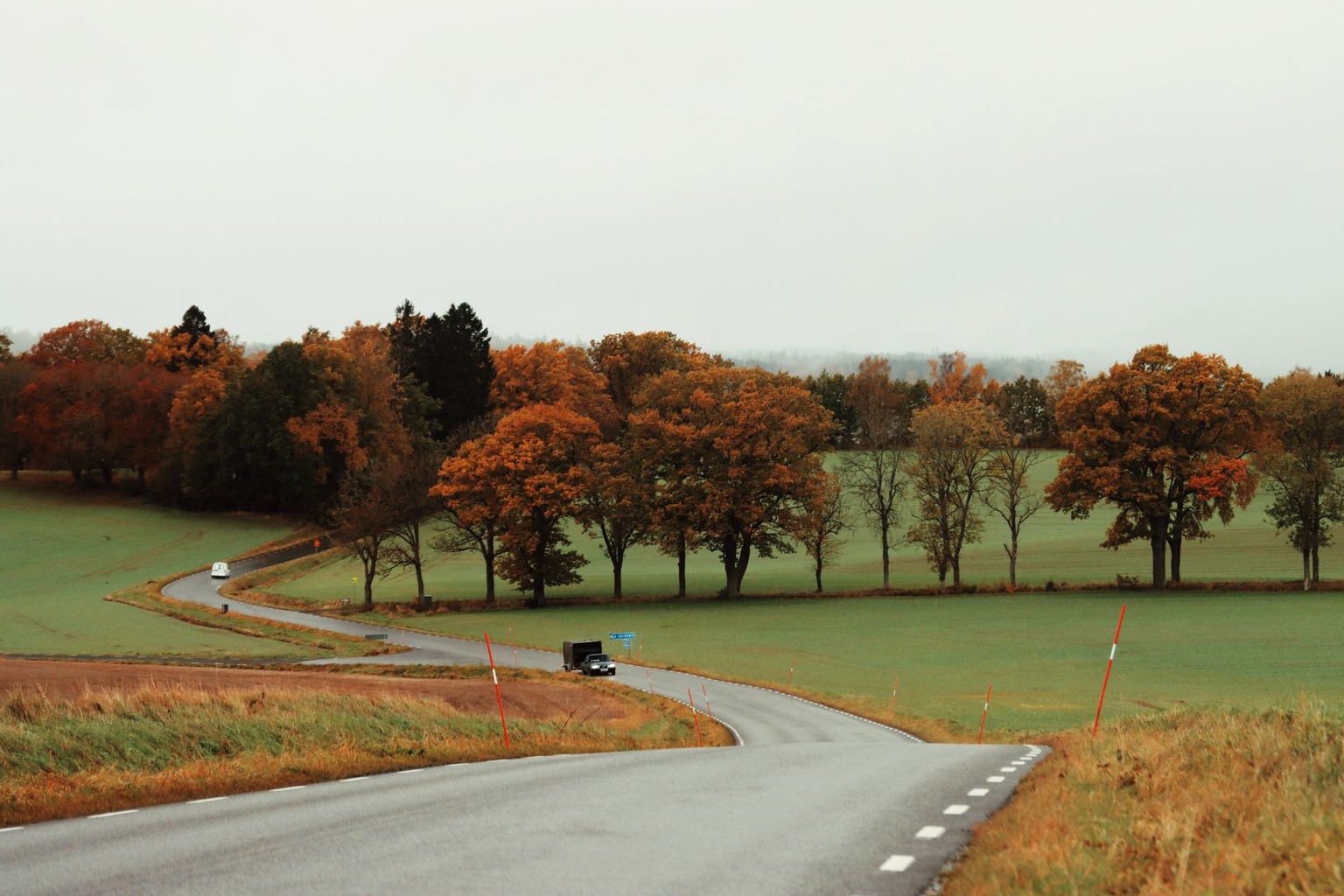
Rural driving routes present an entirely different set of logistical challenges and rewarding discoveries for adventurous road trippers. Concession roads wind past sprawling orchards, heritage barns, and family-owned smokehouses that have operated for generations in relative obscurity. Finding these rural treasures often requires relying on patchy cellular reception and physical paper maps handed out at local visitor information booths. While rural touring demands more driving time and careful route planning, the reward is an authentic connection to the agricultural roots of the province. You get to meet the actual growers and bakers who supply ingredients to the best regional kitchens.
Deciding which environment suits your travel style depends largely on your tolerance for city traffic versus gravel roads and slow farm machinery. Urban cores feature accessible parking garages, paved sidewalks, and English-speaking hospitality staff ready to recommend their favorite local dishes. Country roads offer peace, quiet, and stunning views of the Niagara Escarpment or Lake Erie shoreline, punctuated by farm stands selling fresh berries and homemade preserves. Many successful travelers dedicate the first half of their trip to urban history museums before escaping to the quiet countryside for farm lunches and orchard tours.
Self Guided Road Trips Versus Structured Tour Packages
Choosing between building your own custom itinerary or booking a pre-arranged culinary tour changes your entire travel experience from start to finish. Self-guided journeys grant you absolute freedom to sleep in, linger at a roadside antique barn, or completely abandon your plans when you spot a promising bakery. You control the budget, the driving pace, and the exact stops you make along the regional trail. However, crafting your own route requires extensive online research, booking accommodation months in advance, and accepting responsibility for any missed reservations or unexpected road closures.
The Wholesome channel highlights the history of Ontario rest stops, offering a fascinating look at the region’s roadside heritage.
Structured tour packages eliminate the guesswork by bundling hotel stays, museum admission tickets, and reserved tastings at local vineyards and smokehouses into one neat price. Tour operators handle the logistics, often providing knowledgeable local guides who share fascinating historical anecdotes that you would likely miss traveling alone. The downside is a rigid schedule that forces you to board a coach bus when you might prefer spending another hour browsing a fascinating local quilt exhibit. These packages suit travelers who prefer zero stress and enjoy the social aspect of meeting fellow history and food enthusiasts.
Evaluating your personal comfort level with rural navigation helps determine whether an independent road trip or a structured package is the smarter choice. If you enjoy impromptu discoveries and chatting with strangers at country gas stations, building your own route delivers unmatched personal satisfaction. If you find vacation planning overwhelming and prefer expert curation, booking a regional heritage food tour saves valuable time and energy. Regardless of your choice, keeping a printed itinerary in your glove compartment ensures you stay on track through areas with unreliable mobile data networks.
Budget Planning Versus Luxury Splurges on the Trail
Managing travel expenses along this historical route requires deciding where to save your hard-earned dollars and where to splurge for memorable experiences. Budget-conscious travelers can easily enjoy the region by packing coolers, visiting free community museums, and buying simple lunches from local farmers markets. You can picnic in public parks overlooking Lake Ontario while enjoying artisanal bread, local cheddar, and fresh orchard fruit for a fraction of the cost of a sit-down meal. Public parks and scenic lookouts throughout the region offer magnificent dining backdrops without charging a single penny for admission.
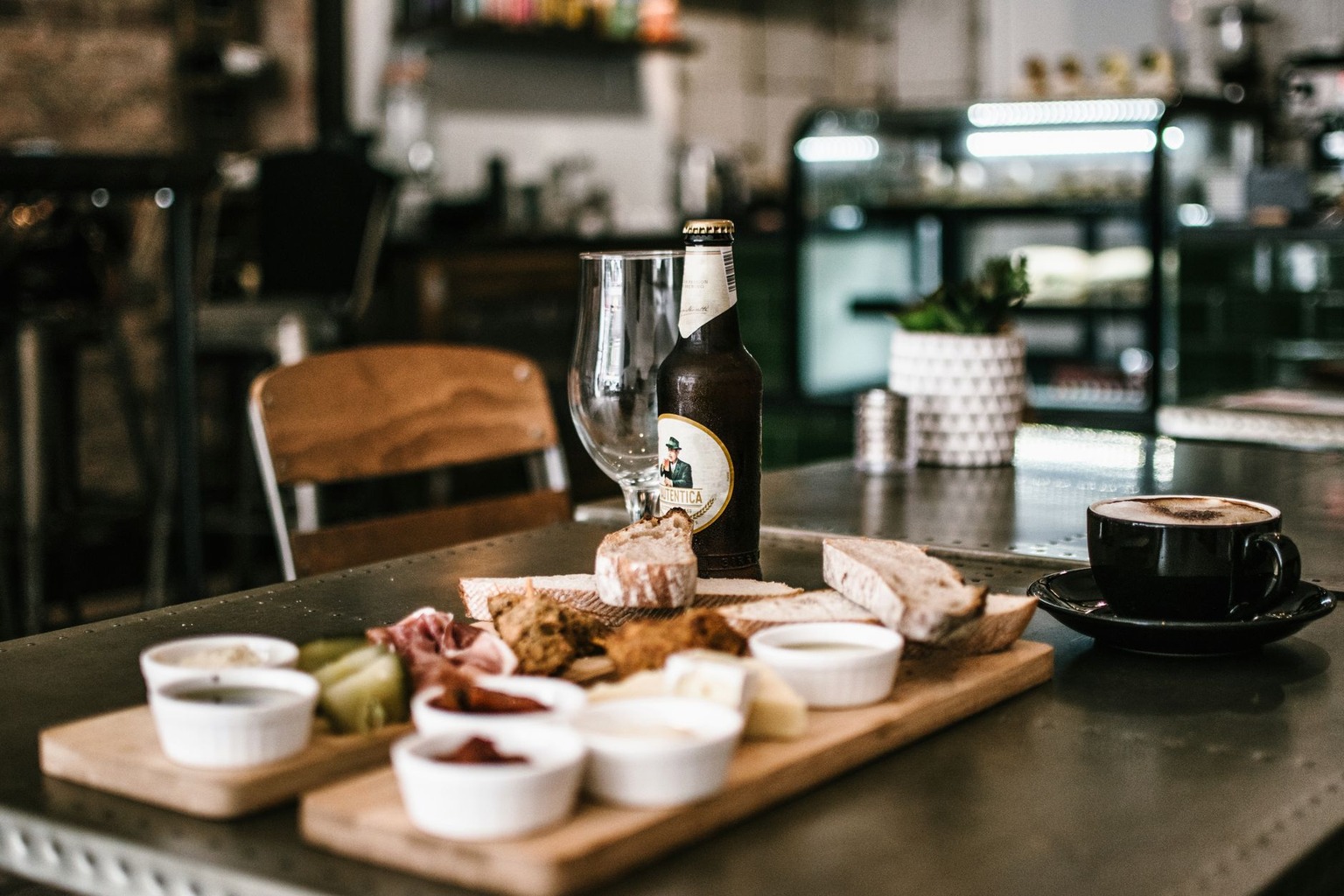
Luxury travelers can transform the same geographical route into an upscale culinary adventure by booking boutique heritage inns and multi-course chef tastings. Historic properties converted into luxury hotels often feature award-winning dining rooms that highlight hyper-local ingredients paired with VQA Ontario wines. Indulging in a heritage museum sandwich crafted with premium house-cured meats and artisan sourdough elevates a humble lunch into a gourmet dining experience. These high-end splurges support local agriculture and historic preservation efforts, ensuring these cultural landmarks remain open for future generations of travelers.
Striking the right financial balance involves identifying the specific experiences that matter most to your traveling group. If authentic food is your primary passion, allocate a larger portion of your budget toward farm-to-table dinners and specialty tastings rather than expensive hotel rooms. If comfort and historical ambiance take priority, invest in heritage accommodations while keeping your daytime meals simple and casual. Planning ahead prevents impulse spending and ensures you do not run out of funds halfway through your four-day regional expedition.
Family Friendly Stops Versus Adult Centered Cultural Tours
Traveling with children alters your itinerary completely, requiring a careful mix of educational entertainment and high-energy culinary stops that appeal to younger tastes. Family-oriented heritage sites often feature costumed interpreters, farm animals, and interactive baking demonstrations where kids can knead dough and churn butter. Choosing eateries with outdoor seating and casual menus ensures parents can relax while children burn off excess energy between museum visits. Avoid quiet, formal dining rooms that lack patience for tired toddlers and restless school-aged explorers.
Adult-centered cultural tours open up entirely different possibilities, including craft brewery tours, historical whiskey tastings, and deep dives into nineteenth-century political history. Adult groups can appreciate nuanced architectural tours of heritage towns and linger over multi-course meals paired with regional cool-climate wines. These itineraries can maintain a faster driving pace and include lesser-known historical archives that might bore younger family members. The conversation shifts toward complex local histories, agricultural economics, and advanced culinary techniques utilized by regional chefs.
Determining your travel companion demographic before finalizing any reservations prevents awkward situations and mismatched expectations at heritage attractions. Family trips require shorter driving legs, frequent snack breaks, and flexible schedules that accommodate unpredictable meltdowns or sudden rainstorms. Adult getaways allow for deeper immersion into historical archives and longer, more decadent meals at destination restaurants across the peninsula. Designing the trip around the actual participants guarantees a much smoother and more enjoyable journey for everyone involved.
Peak Season Crowds Versus Off-Season Solitude
Deciding when to visit the Southern Ontario culinary trail dictates the atmosphere of every museum and restaurant you experience during your travels. Summer brings warm weather, vibrant green landscapes, and bustling outdoor heritage festivals that attract large families and tour buses from major cities. While summer offers guaranteed opening hours for every roadside attraction and farm stand, it also means crowded parking lots and long wait times for popular dining spots. Reservations for historical tours and premium restaurants become mandatory months in advance during peak July and August weekends.
Opting for shoulder seasons like late spring or golden autumn rewards travelers with cooler weather, changing foliage, and a much quieter touring environment. September and October showcase breathtaking harvest displays, apple orchards loaded with fruit, and historic villages operating at a relaxed, unhurried pace. You can chat at length with museum curators and bakers who have more time to share stories when visitor numbers drop. However, off-season travel requires checking schedules carefully, as some rural heritage sites and seasonal farm stands close their doors entirely after Thanksgiving.
Weighing the pros and cons of seasonal travel helps you decide whether you prefer lively crowds or peaceful solitude on your historical road trip. Summer suits travelers who want warm lake breezes, vibrant outdoor markets, and maximum operational hours at every regional attraction. Autumn appeals to photographers, food lovers, and history buffs seeking lower accommodation rates and atmospheric morning fog rolling over historic farmlands. Understanding seasonal rhythms ensures your expectations match the reality of what rural Ontario offers throughout the changing calendar year.

I have spent years uncovering the hidden gems and scenic routes across Southern Ontario, from the vineyards of Niagara to the rugged trails of the Bruce Peninsula. My weekends are dedicated to road trips and finding the perfect local diner or cabin stay. I love sharing the diverse beauty and relaxation opportunities found right here in the region.