Southern Ontario offers a surprisingly rich canvas for those who pause to watch the wild. Beyond the bustling streets of Toronto, a network of conservation areas, rolling hills, and quiet wetlands provides reliable stages for deer, foxes, and owls. The region’s mix of forest, field, and water creates the conditions these animals need to thrive, and knowing where to look transforms a simple walk into a rewarding encounter. For anyone planning a trip focused on wildlife watching Southern Ontario, understanding the seasonal rhythms and specific habitats of these creatures is the first step toward a successful outing.
Algonquin Provincial Park and the Highland Corridor
Algonquin Provincial Park stands as the crown jewel for wildlife watching Southern Ontario, drawing visitors who seek the classic boreal experience. The park’s vast interior supports healthy populations of white-tailed deer, particularly along the park’s many logging roads and shoreline trails. Early morning or late evening drives along Highway 60 often reveal deer grazing in the clearings, their silhouettes stark against the morning mist. Foxes, both red and the rarer grey variety, patrol the edges of the forest, their keen ears tuned to the slightest movement in the underbrush. Owls are less frequently seen but deeply rewarding; the park is home to the great horned owl and the northern saw-whet, whose distinctive calls echo through the spruce and pine stands after dusk. Visitors should come prepared with warm layers, as the park’s elevation and proximity to the Canadian Shield create cooler temperatures that these animals have adapted to survive.
The park’s layout encourages a slow, methodical pace, which is essential for spotting animals that blend into the dappled light of the forest floor. Trails such as the Opeongo River route offer excellent opportunities to see deer drinking at the water’s edge, while the quiet stretches of the Highland Corridor are prime spots for catching a glimpse of a fox trotting between the trees. For owl enthusiasts, stopping at one of the designated observation points just after sunset and listening for the soft hoots can yield a magical sighting. Remember that patience is key; the animals here are accustomed to the park’s rhythm, and sudden movements will send them fleeing into the deeper woods.
Rouge National Urban Park and the Valleylands
For those based in the Greater Toronto Area, Rouge National Urban Park provides an accessible gateway into wildlife watching Southern Ontario without requiring a long drive. This park uniquely blends urban infrastructure with restored meadows and woodlands, creating a habitat where deer have learned to navigate the edges of the city’s sprawl. The park’s extensive trail system, particularly around the Toronto Zoo perimeter and the Orchard Trail, offers frequent deer sightings, especially during the rutting season in autumn when bucks are more visible and active. Foxes in this region have adapted to the presence of humans, often denning in the park’s grasslands and hunting along the hedgerows at dusk. Their adaptability makes them slightly easier to spot than in wilder areas, though they remain cautious of the trail traffic.
Owls in the Rouge Valley benefit from the park’s commitment to preserving dead trees and snags, which serve as essential nesting sites. The barred owl is a common resident, known for its characteristic “who-cooks-for-you” call that resonates through the mature deciduous woods. Night walks along the quieter sections of the trail, particularly near the creek crossings, increase the chances of hearing an owl before seeing one. The park’s educational signage often highlights the importance of these nocturnal hunters in controlling rodent populations, adding a layer of appreciation to any encounter. Visitors are encouraged to keep a respectful distance and use red-filtered flashlights to minimize disturbance to the animals’ night vision.
Kawartha Highlands Provincial Park and the Lake Country
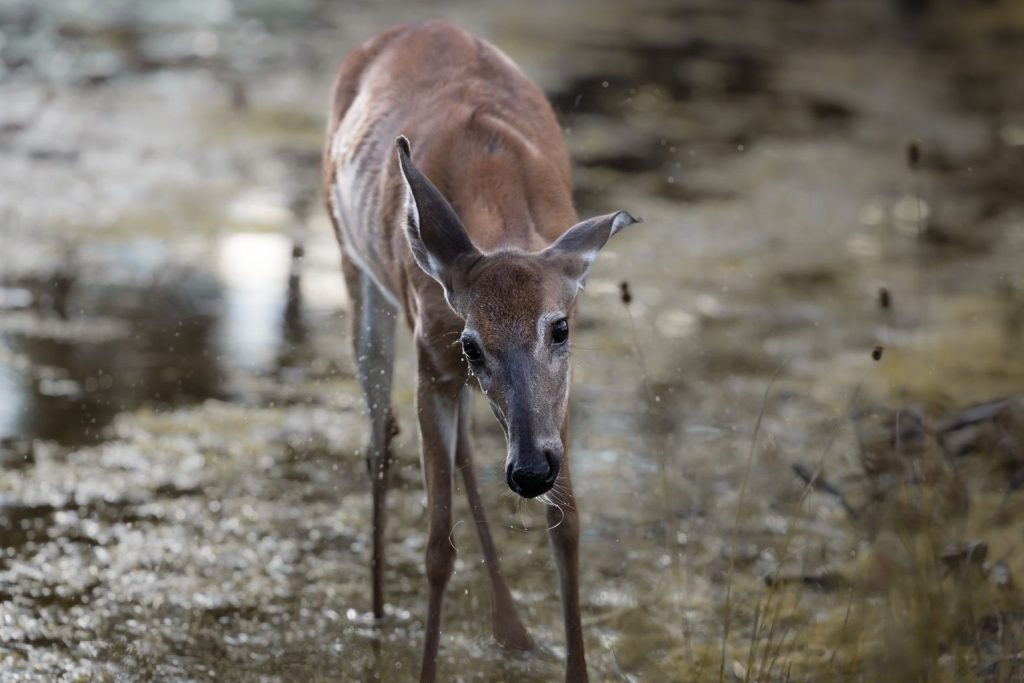
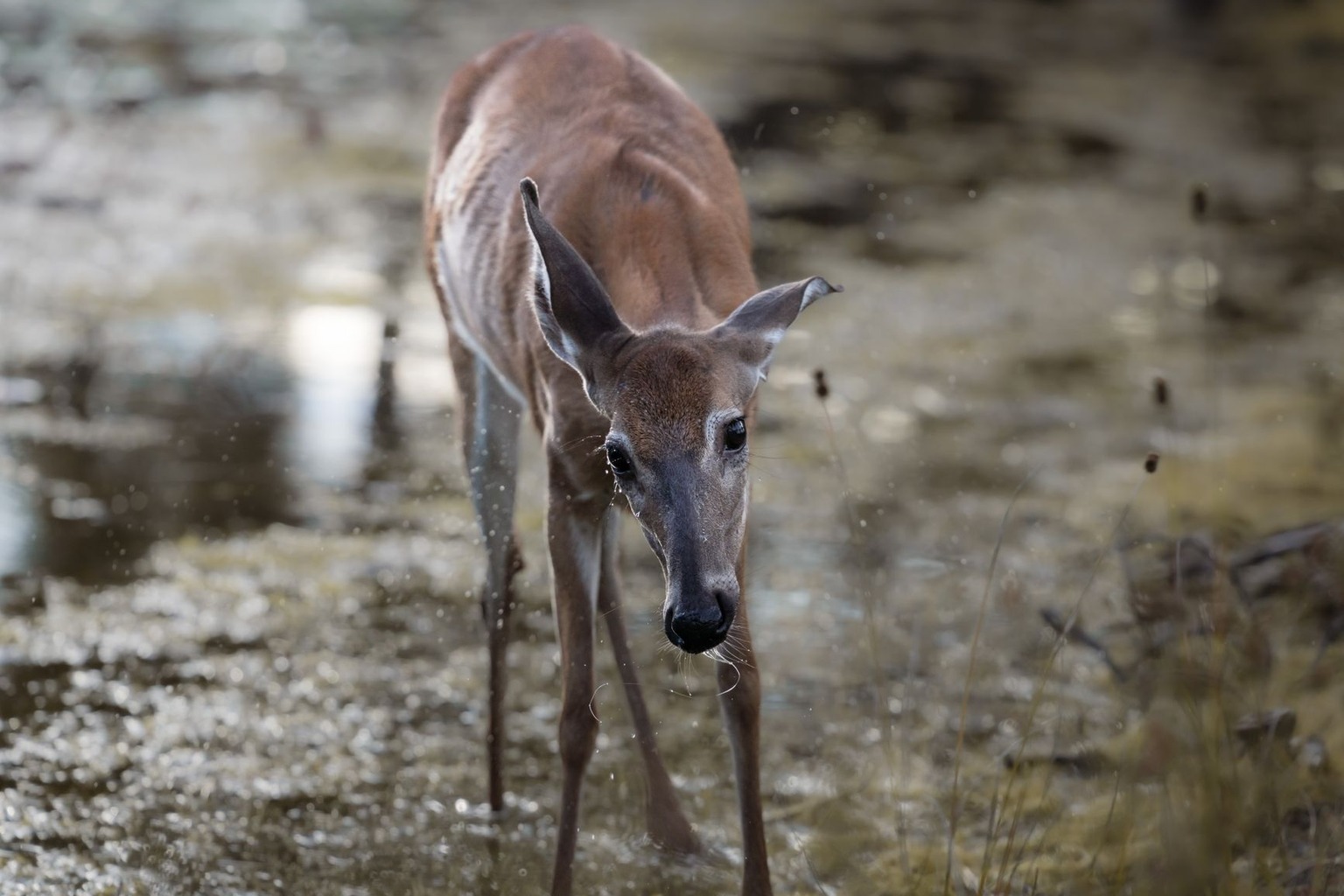
Kawartha Highlands Provincial Park offers a different flavor of wildlife watching Southern Ontario, characterized by its chain of lakes and rugged granite ridges. The park’s inland location provides a sanctuary for white-tailed deer, who frequent the shorelines in search of aquatic plants and the mineral-rich grasses that grow near the water. The park’s extensive canoe routes are not just for paddlers; they serve as quiet corridors for observing deer moving between islands and mainland plots. Early morning paddles often reward the quiet observer with deer standing knee-deep in the calm water, a picture-perfect moment for those with a camera and a patient eye. Foxes in this region are often seen trotting along the rocky shorelines or hunting meadow voles in the park’s open muskeg areas.
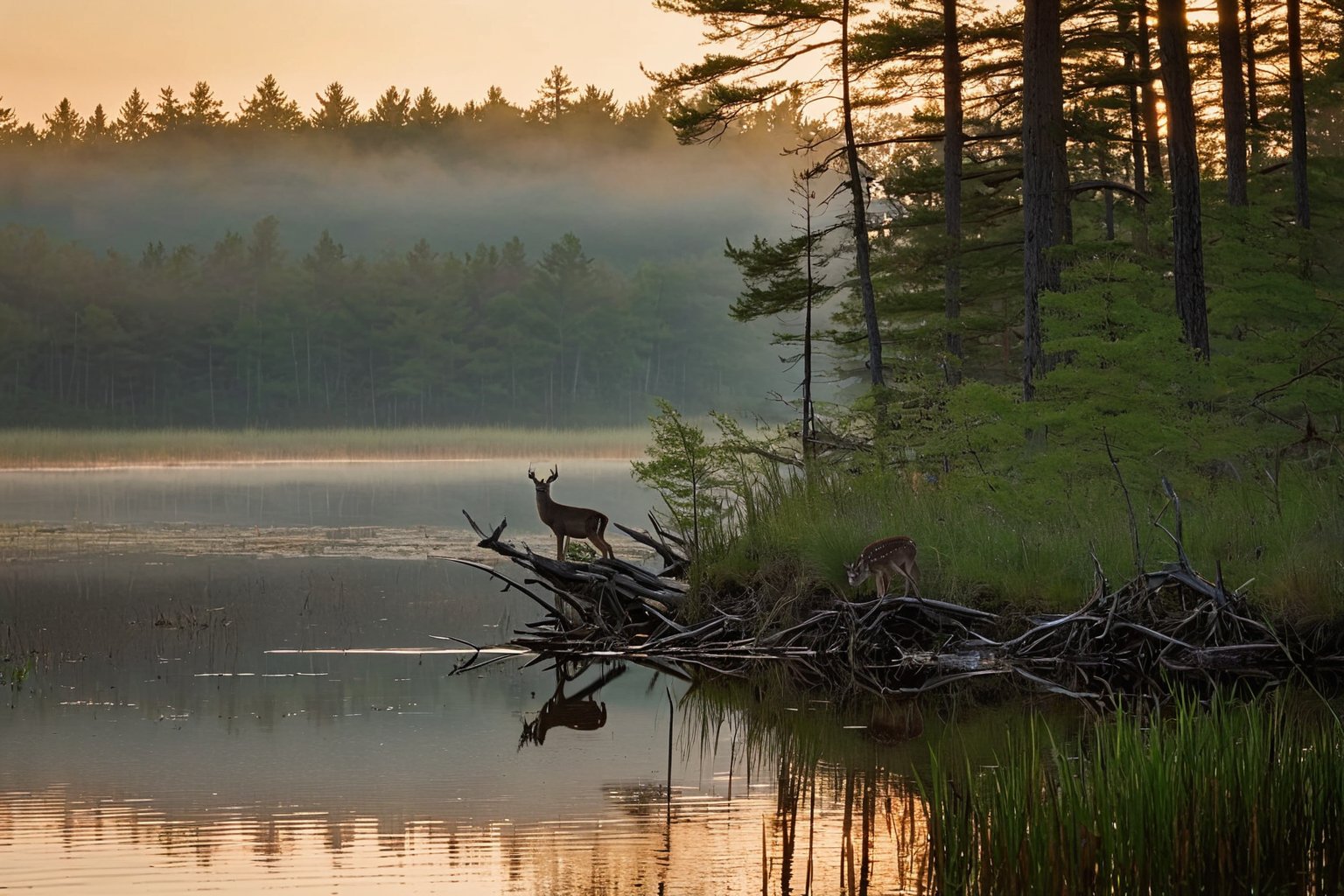
The owl population here is particularly diverse, with species such as the eastern screech-owl making its home in the park’s mixed forests. Unlike the deep-voiced hoots of their northern cousins, screech-owls produce a trilling song that can be heard from the park’s many boardwalks and forest edges. Nighttime canoe trips offer a unique perspective, as the silence of the water amplifies the sounds of the forest. Spotting an owl perched silently on a low branch, eyes reflecting the moonlight, is a highlight for many visitors. The park’s management practices, which include limited artificial lighting, help maintain the natural nocturnal environment these birds require.
Presqu’ile Provincial Park and the Lake Ontario Shoreline
Presqu’ile Provincial Park, jutting out into Lake Ontario, provides a unique coastal environment for wildlife watching Southern Ontario. The park’s mix of beach, marsh, and deciduous forest supports a steady population of white-tailed deer, who are often seen browsing the shoreline vegetation during the cooler months. The open marsh areas are particularly attractive in winter when deer move lower to seek shelter and food sources not available in the deeper woods. Foxes, especially the red fox, are common residents of the park’s edge habitats, where they hunt mice and voles that thrive in the tall grasses. The park’s relatively flat terrain makes it easier to spot a fox trotting across the open fields during the golden hours of sunrise and sunset.
Owls at Presqu’ile are often associated with the park’s mature oak and maple stands, which provide the necessary cavities for nesting. The great horned owl is a frequent visitor, and its presence is often announced by the frantic scolding of smaller songbirds mobbing the predator during the day. Winter walks along the park’s trails offer the best chances to see owls, as the bare branches make them more visible against the sky. The park’s location on a major migratory route also means that occasional migrant species may pass through, adding an element of surprise to any birding or wildlife watching Southern Ontario excursion. Bringing binoculars with a good low-light capability is recommended for the best experience.
Norfolk County and the Carolinian Corridor
Norfolk County represents the northern extent of the Carolinian life zone, and this botanical distinction brings a unique set of opportunities for wildlife watching Southern Ontario. The region’s warmer climate and diverse hardwood forests support species that are less common further north, including certain subspecies of deer that favor the dense understory of oak and hickory. The area’s extensive farmland and hedgerow networks create a mosaic of habitats where foxes thrive, hunting the abundant rodent populations that live in the field margins. Unlike the more solitary foxes of the boreal north, those in Norfolk are often seen utilizing the connectivity provided by farm lanes and woodlots to traverse the landscape efficiently.
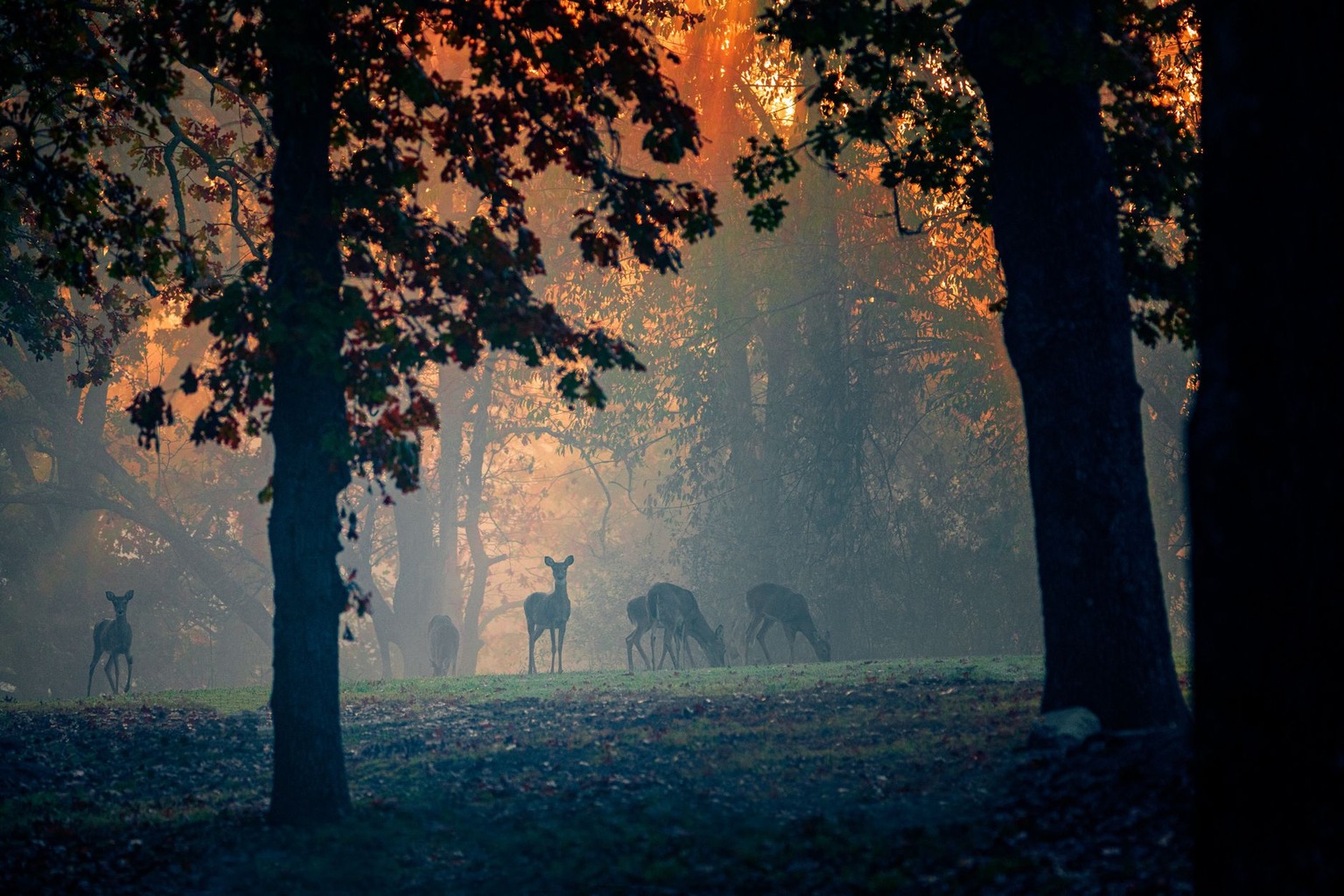
Owl species in this region have adapted to the mixed forest-agriculture landscape. The barred owl remains a staple, but the region is also a stronghold for the short-eared owl, which can sometimes be seen quartering low over the open fields during dawn and dusk. These owls prefer the open grasslands and hayfields that dot the countryside, hunting moths and small birds on the wing. Exploring the county’s network of country roads and designated nature reserves, such as the Backus Heritage Conservation Area, provides the best opportunities to encounter these unique owl behaviors. The agricultural setting means that wildlife watching Southern Ontario here often involves a mix of farm awareness and nature appreciation, requiring visitors to respect private property while enjoying the public trails.
Turkey Point Provincial Park and the Wetland Edges
Turkey Point Provincial Park, situated on the north shore of Lake Erie, offers a wetland-focused experience for wildlife watching Southern Ontario that is distinct from the forest parks previously mentioned. The park’s extensive marshes and boardwalks are prime habitat for deer, who wade into the shallow waters to feed on emergent vegetation and escape the biting insects of the summer months. Observers will often see deer moving in small family groups along the park’s perimeter trails, their movements synchronized with the tides and water levels. Foxes in this environment are skilled at navigating the transition zones between marsh and meadow, using the dense cattails for cover while hunting the rich amphibian and insect life that populates the wet edges.
The owl population at Turkey Point is closely tied to the health of the wetland ecosystem. The northern saw-whet owl and the barred owl both find suitable nesting sites in the park’s mature trees bordering the marsh. Listening for owl calls from the boardwalks just after dusk is a popular activity, as the acoustics of the open water carry the sounds far across the marsh. The park’s commitment to wetland conservation means that the food web supporting these owls, from frogs to large insects, is robust, increasing the likelihood of successful sightings. For those interested in the interplay between water, land, and wildlife, Turkey Point provides a compelling case study in how specialized habitats shape animal behavior.

I have spent years uncovering the hidden gems and scenic routes across Southern Ontario, from the vineyards of Niagara to the rugged trails of the Bruce Peninsula. My weekends are dedicated to road trips and finding the perfect local diner or cabin stay. I love sharing the diverse beauty and relaxation opportunities found right here in the region.