Southern Ontario sits on a natural gateway to the United States, offering travelers a mix of easy road access, emerging rail projects, and vibrant cross‑border destinations. The region’s proximity to the Great Lakes, historic towns, and outdoor hotspots means a weekend getaway can turn into a multi‑state adventure with minimal planning. From the bustling streets of Detroit to the quiet fishing lodges of Michigan’s Upper Peninsula, the options for leisure travel are as diverse as the landscapes themselves. Understanding the practicalities of customs, transportation choices, and seasonal attractions helps visitors maximize their time and avoid common pitfalls while exploring the neighboring states.
Road routes and primary border crossings
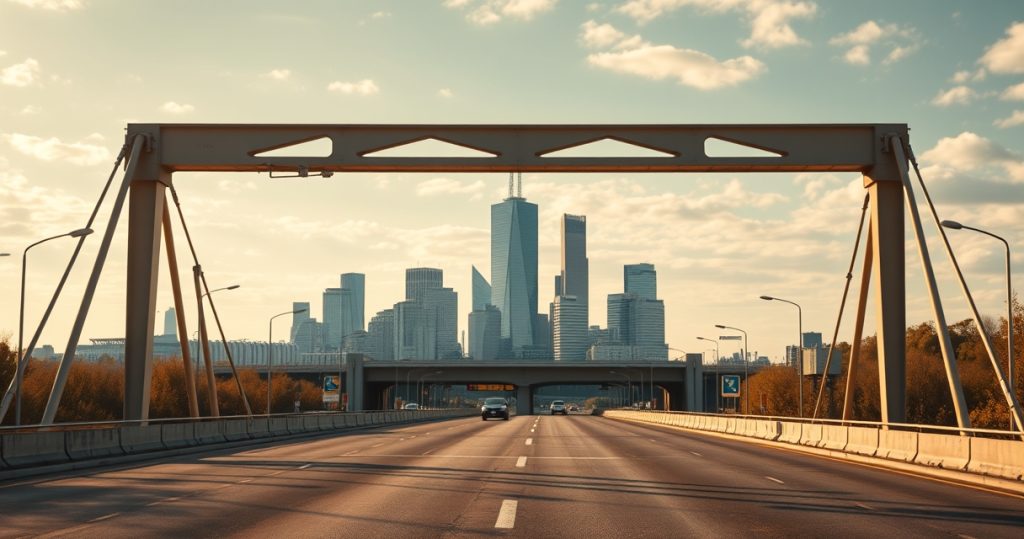
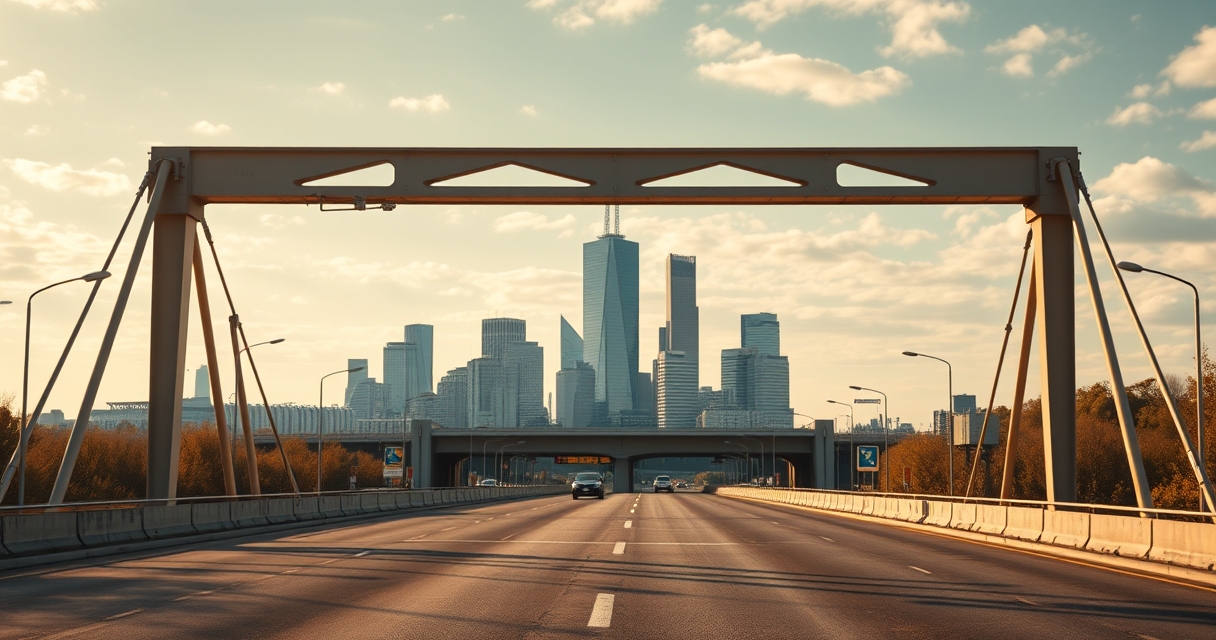
The most popular way to leave Southern Ontario is by car, and the region boasts several well‑marked crossings that handle thousands of travelers each day. The Ambassador Bridge linking Windsor to Detroit is a 2.5‑kilometre span that sees roughly 25 000 vehicles daily, making it the busiest commercial gateway in Canada. For leisure traffic, the Blue Water Bridge at Sarnia offers a scenic view of the St. Clair River and a smoother flow for passenger vehicles, especially during off‑peak hours. Both crossings operate 24 hours a day, but travelers should check real‑time wait times on provincial websites to avoid unexpected delays during holiday weekends.
Further east, the Peace Bridge at Fort Erie provides a direct route to Buffalo, New York, and is especially convenient for visitors heading to Niagara Falls or the western side of New York State. Seasonal traffic spikes in summer often push wait times past an hour, so early morning departures are advisable. The border stations are equipped with electronic passport scanners and NEXUS lanes for approved travelers, which can cut processing time dramatically. Planning a route that aligns with these facilities can turn a potentially stressful border crossing into a quick checkpoint.
Emerging passenger rail between Ontario and Michigan
A cross border coalition of municipalities and transportation agencies has outlined a vision for a passenger rail line connecting the Greater Toronto area with Detroit and beyond. The proposed route would follow existing freight corridors, reducing the need for new right‑of‑way acquisition and keeping construction costs in check. Early feasibility studies estimate a travel time of roughly three hours between Toronto and Detroit, a competitive alternative to driving that could attract both business commuters and leisure tourists seeking a relaxed journey along the Great Lakes shoreline.
Funding discussions point to a mix of provincial, federal, and private investment, with the goal of launching service within the next decade. If realized, the rail line could serve as a catalyst for tourism, linking Ontario’s wine regions with Michigan’s craft breweries and enabling day‑trippers to explore attractions such as the Henry Ford Museum without the fatigue of a long drive. For travelers who prefer to avoid the highway and enjoy scenic vistas, the rail option promises a comfortable, eco‑friendly way to cross the border.
Driving safety and customs awareness
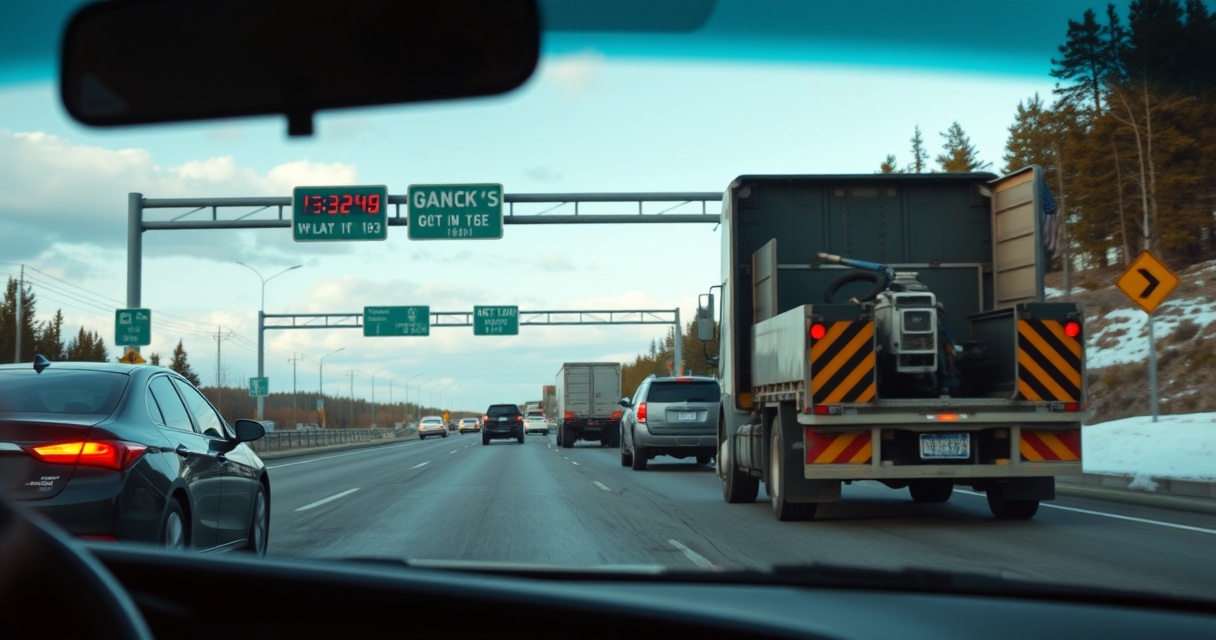
Recent incidents have highlighted the importance of responsible driving when approaching the U.S. Canada border. Law enforcement reports from Michigan detail cases where impaired drivers attempted to cross the border, leading to arrests and heightened scrutiny at inspection stations. These events serve as a reminder that border officers conduct sobriety checks and may detain motorists who exhibit signs of impairment. Travelers should plan to stop at a rest area, hydrate, and ensure they are fully alert before reaching the checkpoint, especially after a long drive on the 401 or the Queen Elizabeth Way.
Customs officers also enforce strict regulations on items such as firearms, alcohol, and agricultural products. For example, bringing more than 12 litres of wine into the United States without proper declaration can result in fines or seizure. Seasonal fruit, especially apples from the Niagara region, is subject to inspection to prevent the spread of pests. Familiarizing oneself with the Canada Border Services Agency’s list of prohibited and restricted goods helps avoid costly delays and keeps the travel experience pleasant for all parties.
Day trips to Buffalo and Detroit from Southern Ontario
Buffalo, New York, sits just across the Peace Bridge and offers a surprising array of attractions for Canadian visitors. The city has embraced its cross border visitors with welcoming billboards that greet hockey fans traveling to games at the KeyBank Center. Beyond sports, Buffalo’s waterfront park provides stunning views of Lake Erie, while the historic architecture of the downtown district invites leisurely strolls. A short drive from the border leads to the famous Niagara Falls State Park, where the American side offers a different perspective on the iconic cascade, including the Maid of the Mist boat tour.
Detroit, accessible via the Ambassador Bridge, blends automotive heritage with a vibrant arts scene. The city’s revitalized downtown hosts museums such as the Motown Museum and the Detroit Institute of Arts, home to a world‑renowned collection of American paintings. Food lovers can explore the Eastern Market, where local vendors sell fresh produce, cheese, and craft beer. Because Detroit operates on Eastern Time, travelers from Ontario should adjust their schedules accordingly to make the most of a day‑long excursion.
Fishing lodges and nature retreats just across the border
The Upper Peninsula of Michigan, a short drive from the Sault Ste. For anglers, Sault Ste. Marie is one of the top fishing destinations in Southern Ontario, thanks to its crystal-clear lakes and diverse fish species. Lodges along Lake Superior and Lake Michigan cater to anglers seeking lake trout, walleye, and smallmouth bass. Many of these establishments provide guided tours, equipment rentals, and cabin accommodations that blend rustic charm with modern comforts. The region’s fall foliage, with vibrant reds and golds, creates a picturesque backdrop for a weekend of outdoor recreation.
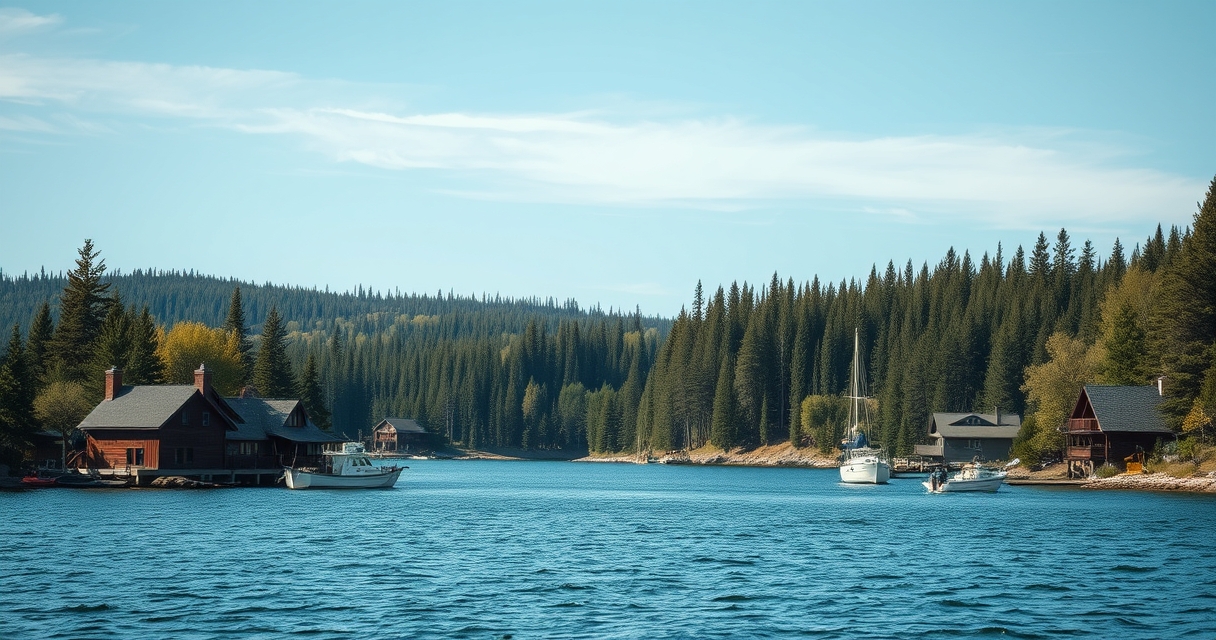
Beyond fishing, the surrounding forests host hiking trails that lead to waterfalls, such as Tahquamenon Falls, and to the historic copper mining sites of Houghton. Visitors can combine a fishing expedition with a cultural tour, learning about the area’s Native American heritage at museums in Marquette. Because the Upper Peninsula is less crowded than the southern Great Lakes shoreline, travelers often enjoy a sense of solitude that is hard to find in more tourist‑heavy locations.
Practical tips for planning a cross border itinerary
Before setting out, travelers should verify the validity of their travel documents. Canadian citizens need a passport or an approved NEXUS card, while U.S. citizens require a passport or a trusted traveler card. For families, it is advisable to carry birth certificates for children under 16, as some border agents may request proof of identity. Checking the expiration dates of documents ahead of time prevents last‑minute surprises at the checkpoint.
Seasonal considerations also impact the travel experience. Winter weather can close certain routes, especially the less‑maintained secondary highways that lead to remote fishing lodges. In contrast, summer brings festivals and outdoor concerts in both Detroit and Buffalo, offering additional entertainment options for travelers. By aligning travel dates with local events, visitors can enjoy a richer cultural experience while exploring the cross border attractions that Southern Ontario makes easily accessible.

I have spent years uncovering the hidden gems and scenic routes across Southern Ontario, from the vineyards of Niagara to the rugged trails of the Bruce Peninsula. My weekends are dedicated to road trips and finding the perfect local diner or cabin stay. I love sharing the diverse beauty and relaxation opportunities found right here in the region.