Southern Ontario Fishing Seasons Overview
Southern Ontario fishing seasons offer anglers a dynamic experience shaped by the region’s climate and diverse waterways. The ontario fishing calendar divides the year into distinct periods, each influenced by weather patterns and fish behavior. Spring brings warming waters that trigger spawning activity for many fish species ontario, making it one of the best fishing times for species like bass and pike.
Summer heat can push fish to deeper areas, requiring adjustments in technique and location. Fall cooling triggers feeding frenzies before winter, while ice fishing defines the colder months. Weather fluctuations such as sudden temperature drops or heavy rains directly impact fish activity and accessibility across Southern Ontario.
To maximize success, consult the ontario fishing calendar for open seasons and limits. Plan trips around optimal southern ontario fishing seasons by monitoring forecasts and targeting active periods for various fish species ontario. Early morning or evening outings often yield the best fishing times during warmer months.
Preparation includes checking regulations, selecting appropriate gear for seasonal conditions, and scouting locations in advance. These strategies help anglers adapt to changing fish behavior and enjoy consistent results throughout the year in Southern Ontario.
Spring Fishing Seasons in Southern Ontario
Spring fishing ontario presents some of the most rewarding experiences for dedicated anglers throughout the region. When focusing on southern ontario bass, the season kicks off as ice melts and water temperatures rise to between 50 and 60 degrees Fahrenheit. This warming trend activates largemouth bass in shallow weedy areas and smallmouth bass near rocky structures. Prime locations include the shallow bays of Lake Erie, the Trent-Severn Waterway, and numerous inland lakes around the Greater Toronto Area such as Lake Scugog and Rice Lake. Anglers should equip themselves with essential gear such as spinning reels paired with 7-foot medium rods, braided line with fluorocarbon leaders, and versatile lures including jerkbaits, tube jigs, and spinnerbaits to cover different conditions effectively.
Meanwhile, trout fishing spring thrives in the cold, clear waters of southern Ontario rivers and creeks. As water temperatures stabilize around 45 to 55 degrees Fahrenheit, rainbow trout and brook trout move into spawning grounds making them more aggressive towards bait. Excellent destinations encompass the Niagara River, Credit River, and various tributaries feeding into Lake Ontario as well as the Grand River system. For success, pack lightweight fly rods or spinning gear with 4-6 lb line, along with live bait like worms or artificial flies and spoons.
Checking ontario fishing regulations is crucial, as they dictate open seasons, catch limits, and protected zones to promote sustainable fishing practices that preserve these valuable resources for future generations. Combining these pursuits allows for diverse spring adventures. Bass fishing often peaks in the afternoons when sun heats the water, while trout prefer early mornings in shaded areas. Safety considerations include monitoring weather changes and wearing life jackets on boats. With proper preparation and adherence to rules, spring fishing ontario can yield memorable catches of southern ontario bass and trout alike. Additional tips involve scouting locations in advance using maps and apps, and using fish finders to locate schools in deeper waters during cooler periods of the day.
Summer Fishing Seasons in Southern Ontario
Summer fishing ontario peaks from June through August when warm waters draw anglers to southern ontario lakes for consistent action. Walleye fishing summer offers excellent opportunities as fish move to deeper structures during the day before feeding aggressively at dawn and dusk. Targeting these predators with jigs or live bait near drop-offs yields strong results across the region.
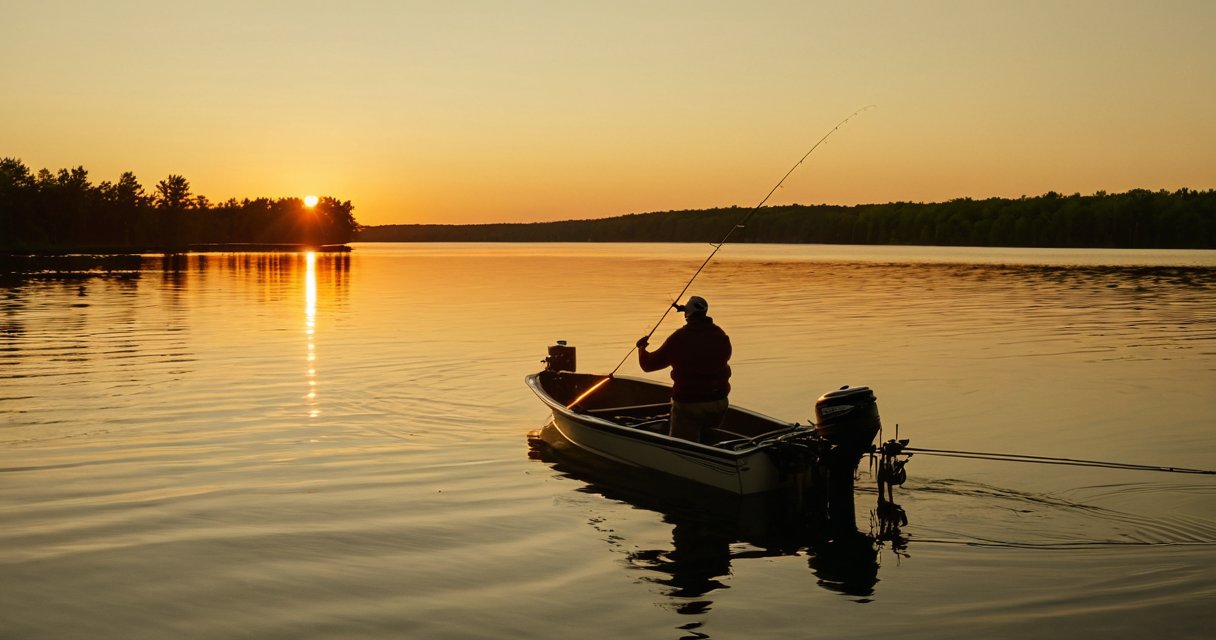
Panfish ontario species such as bluegill, crappie, and perch remain highly active in shallow bays and weed lines throughout the season. These fish provide nonstop bites for families and beginners while also serving as prime forage for larger gamefish. Anglers often switch to small hooks and light line to maximize success during midday heat.
Other popular targets include smallmouth bass and northern pike that thrive in the same warm conditions. Early morning topwater lures and evening trolling patterns prove effective when surface temperatures climb. Hot weather strategies emphasize fishing during cooler hours, using polarized sunglasses to spot fish, and carrying plenty of water to avoid dehydration on the water.
Boat rentals become essential for reaching prime spots on larger southern ontario lakes such as Simcoe, Rice Lake, and the Kawarthas. Local marinas offer reliable aluminum boats and pontoons equipped with fish finders, making it easy to explore river mouths and offshore humps without owning equipment. The Grand River and Credit River also deliver solid summer action for those preferring current.
Success during walleye fishing summer often depends on locating thermoclines and using electronics to find suspended schools. Combining these tactics with knowledge of local regulations ensures sustainable harvests while enjoying the long daylight hours that define summer fishing ontario.
Fall Fishing Seasons in Southern Ontario
Fall fishing ontario brings cooler temperatures and active fish populations across lakes and rivers. Anglers enjoy productive days as species prepare for winter, with strong runs and aggressive feeding patterns creating memorable outings.
Salmon fishing fall highlights include major runs of Chinook and Coho salmon moving upstream in rivers such as the Credit, Grand, and Humber. These migrations typically peak from September through November, drawing crowds to prime spots where fish stage before spawning. Anglers often find success near river mouths and deeper pools.
Pike ontario autumn activity intensifies as northern pike shift toward shallower weedy bays and river mouths to feed heavily. Migration patterns show these predators moving from deeper summer haunts into transitional zones with abundant baitfish. This behavior makes them more accessible to shore and boat anglers alike.
Recommended baits for salmon include spawn bags, spoons, and egg flies drifted or cast into current seams. For pike, large spinnerbaits, jerkbaits, and sucker minnows work well when retrieved slowly through vegetation edges. Matching lure size to local forage improves hookup rates during these cooler months.
Always consult current ontario fishing reports before heading out, as water levels and fish movements can change quickly. Safety considerations for cooler months include wearing a life jacket at all times, dressing in moisture-wicking layers, and carrying a whistle or communication device. Hypothermia risks rise with wind and spray, so monitor conditions closely and avoid isolated areas after dark.
Planning trips around peak migration windows and checking local regulations ensures both success and compliance. Fall fishing ontario rewards preparation with excellent catches while emphasizing respect for changing weather and fish populations.
Winter Ice Fishing in Southern Ontario
Winter ice fishing in Southern Ontario transforms frozen lakes into bustling outdoor playgrounds for anglers seeking adventure. The season generally runs from late December through early March, with peak activity when ice reaches safe thicknesses. Enthusiasts across the region embrace ice fishing ontario as a rewarding way to connect with nature during the coldest months.
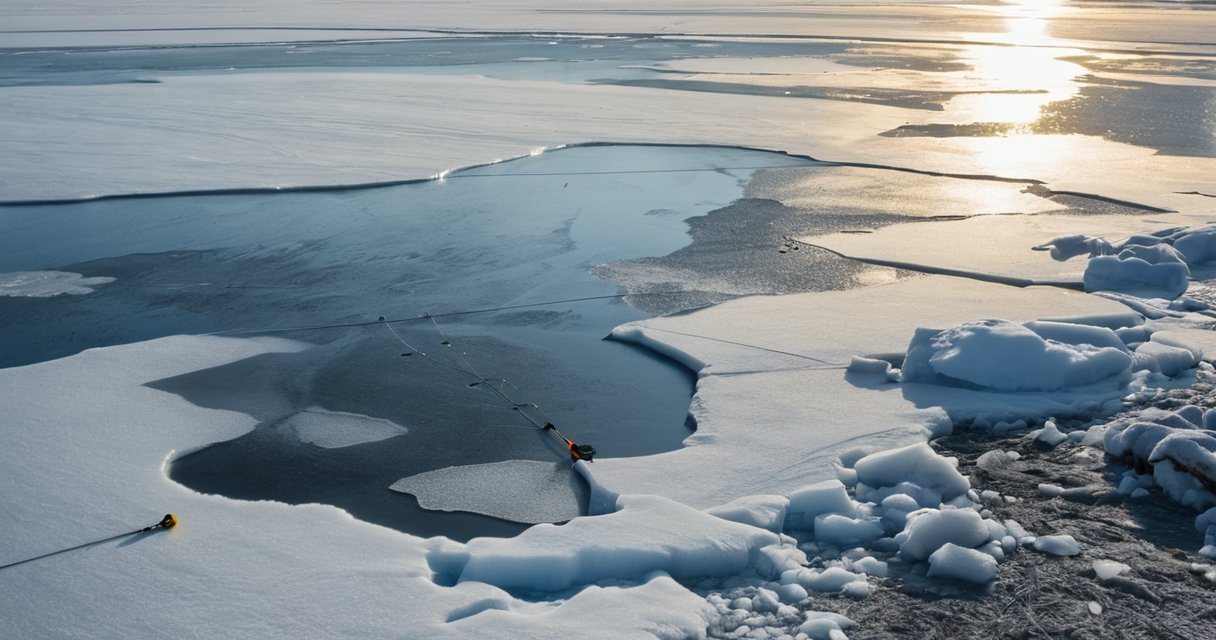
Safe ice conditions are essential for any outing. Anglers should verify at least four to six inches of clear, solid ice before venturing out on foot and eight to twelve inches for snowmobiles or vehicles. Local reports and apps provide real-time data, helping participants avoid thin spots near currents or springs during winter fishing southern ontario.
Target species often center on perch, with ontario perch fishing delivering consistent action through the ice. Yellow perch school in shallow bays, making them accessible even for beginners. Other catches may include pike and walleye, but perch remain the star due to their abundance and tasty fillets.
Effective ice fishing tips start with proper equipment. A sharp hand or power auger creates quick holes, while short rods, sensitive tip-ups, and small jigs tipped with minnows or wax worms entice bites. Portable shelters protect against wind, and electronics like flashers help locate fish beneath the ice.
Layered clothing is critical for comfort and safety. Start with moisture-wicking base layers, add insulating mid-layers, and finish with waterproof, windproof outer shells plus insulated boots and gloves. A life jacket or float suit adds extra protection should the unexpected occur.
Popular destinations include Lake Simcoe, the Bay of Quinte, and inland lakes near Hamilton and Kitchener. These areas offer ample parking, rentals, and guided services, making them ideal for both locals and visitors. Always follow local regulations and practice catch-and-release where needed to sustain fisheries for future seasons.

I have spent years uncovering the hidden gems and scenic routes across Southern Ontario, from the vineyards of Niagara to the rugged trails of the Bruce Peninsula. My weekends are dedicated to road trips and finding the perfect local diner or cabin stay. I love sharing the diverse beauty and relaxation opportunities found right here in the region.