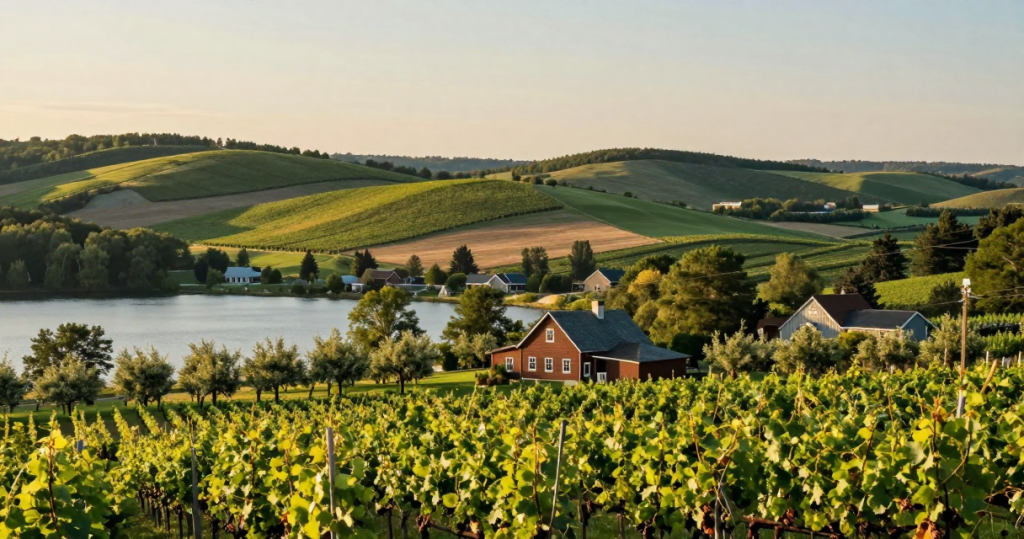
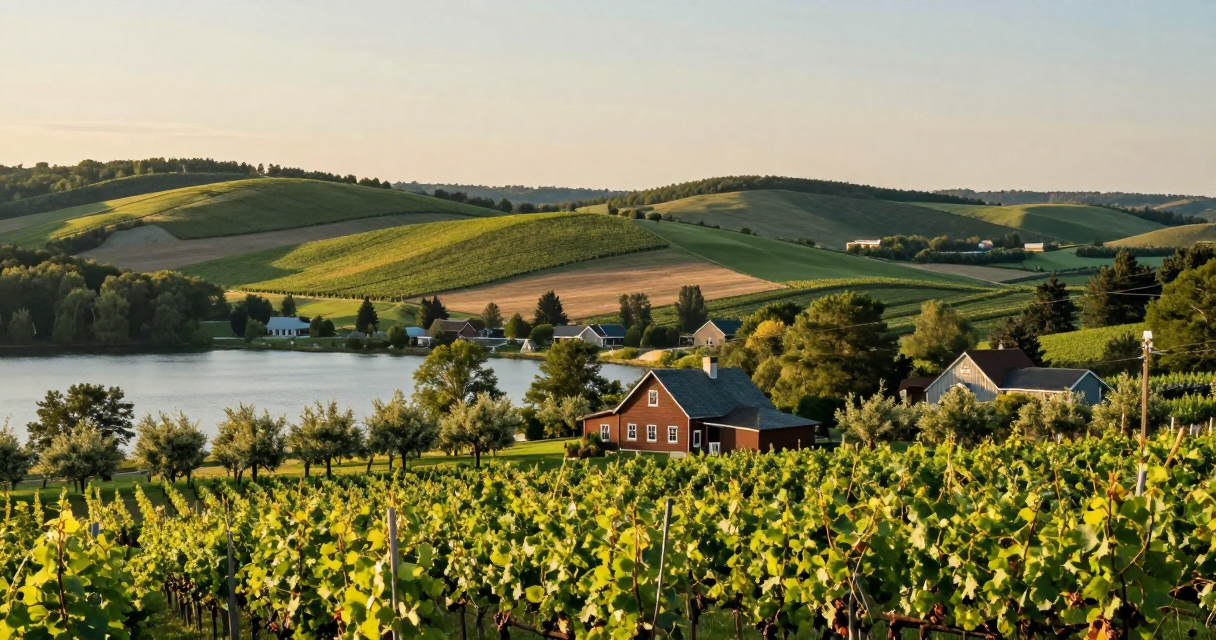
Southern Ontario’s rural areas offer a blend of rolling vineyards, historic farms, and welcoming small towns that attract travelers looking for a slower pace. The region’s easy access from major cities like Toronto and Hamilton makes it an ideal weekend destination, while the diversity of experiences, from wine tasting to canoeing, ensures that each visit feels fresh. Visitors can wander through centuries‑old orchards, sample locally produced cheese, and stay in cottages that overlook quiet lakes. This combination of natural beauty, culinary richness, and community spirit creates a tourism niche that continues to grow as more people seek authentic, countryside getaways.
Exploring the Landscape: Why Rural Tourism Thrives in Southern Ontario
The geography of Southern Ontario, with its fertile valleys, gently undulating hills, and network of rivers feeding into the Great Lakes, provides a rich backdrop for outdoor activities in Southern Ontario. These natural features have supported agriculture for over two hundred years, shaping a landscape dotted with family‑run farms, boutique wineries, and artisanal food producers. According to recent tourism data, more than 1.2 million visitors explore the rural corridor each year, drawn by the promise of fresh produce and scenic drives. The region’s climate, with warm summers and mild winters, allows for a year‑round calendar of events that keep travelers returning season after season.
Infrastructure plays a crucial role in making the countryside accessible. Highway 401 slices through the heart of the area, while secondary routes such as the 9 and the 6 provide scenic alternatives that pass through historic villages. Public transportation options, including regional bus services and seasonal train routes, connect larger urban centers with smaller hubs like Stratford and Niagara-on-the-Lake. This blend of road and rail connectivity ensures that even travelers without a car can enjoy accessible travel in Southern Ontario’s rural heartland.
Farm Stays and Agri‑Tourism Experiences
Farm stays have become a cornerstone of the region’s tourism offering, allowing guests to immerse themselves in daily agricultural life. Properties ranging from century‑old dairy farms to modern organic vegetable operations welcome visitors for overnight stays, often featuring hands‑on activities such as milking cows, harvesting strawberries, or feeding chickens. In 2023, the Ontario Ministry of Agriculture reported a 15 percent increase in farm‑based accommodations, reflecting growing demand for authentic, hands‑on experiences. Many hosts also provide farm‑to‑table meals prepared with ingredients harvested that very morning, giving travelers a literal taste of the land.
Beyond overnight stays, agri‑tourism events draw crowds to seasonal festivals, pick‑your‑own orchards, and farmer’s markets. The annual Apple Harvest Festival in the Niagara Peninsula, for example, attracts over 30,000 visitors who enjoy cider tastings, live music, and craft workshops. Similarly, the Fall Corn Festival in the town of Port Hope showcases corn mazes, pumpkin carving contests, and local honey stalls. These events not only boost the local economy but also foster a sense of community pride, as residents collaborate to showcase the region’s agricultural heritage.
Wine Trails and Culinary Adventures
Southern Ontario’s wine industry has earned international recognition, with more than 150 wineries scattered across the Niagara, Lake Erie, and Prince Edward County regions. The Niagara Wine Route alone features 30 distinct vineyards, each offering tastings, cellar tours, and gourmet dining experiences. Visitors often combine wine tasting with culinary tours that highlight locally sourced cheeses, charcuterie, and seasonal produce. Many establishments have earned accolades for their farm‑to‑table menus, with chefs emphasizing ingredients grown within a 30‑kilometre radius.
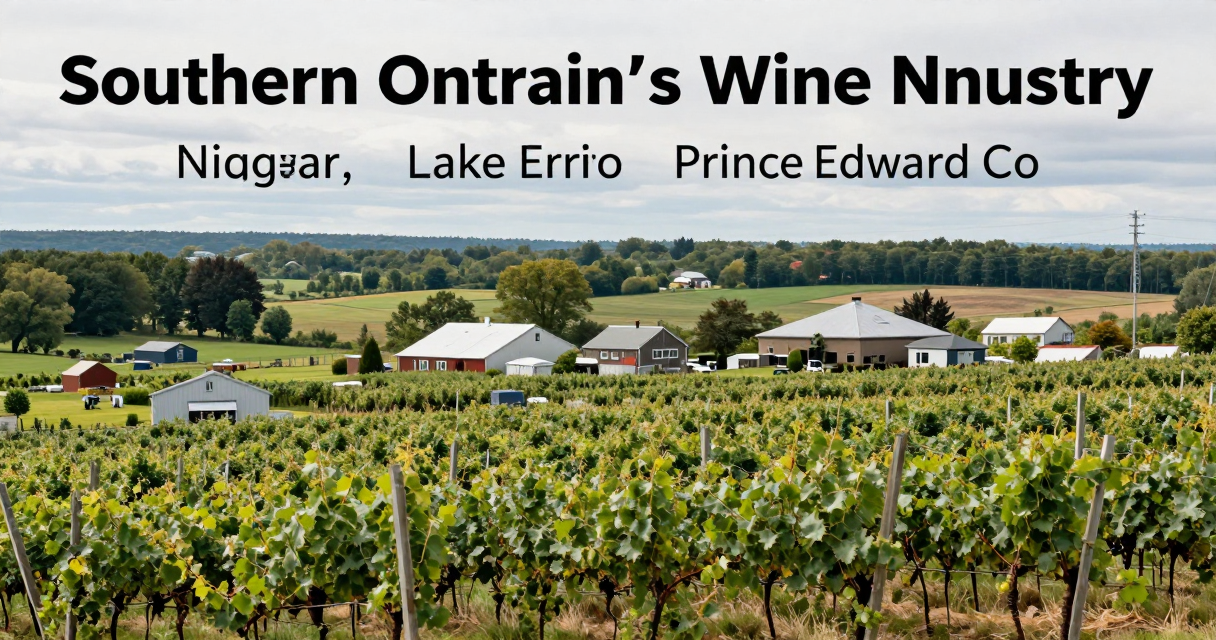
Beyond wine, the region’s culinary scene embraces a wide array of flavors, from maple‑glazed pork ribs in the town of St. Catharines to artisan chocolate workshops in the hamlet of Port Rowan. Seasonal food tours, such as the Summer Harvest Trail, guide travelers through a curated list of farms, markets, and restaurants, ensuring a cohesive tasting experience. These tours often include behind‑the‑scenes access to food processing facilities, giving guests insight into the craftsmanship behind each product.
Small Town Charm: Heritage and Community Events
Historic towns like Elora, Stratford, and Picton provide a backdrop of heritage architecture, boutique shopping, and cultural festivals that enrich the rural tourism portfolio. In Elora, the annual Blues & Roots Festival attracts music lovers with multiple stages set against the backdrop of the stunning Elora Gorge. Stratford, renowned for its world‑class theatre festival, draws thousands of visitors each summer, offering an unexpected cultural flourish amid pastoral surroundings. These towns also boast preserved main streets lined with Victorian storefronts, antique shops, and locally owned cafés that invite leisurely exploration.
Community events play a pivotal role in sustaining the vibrancy of these locales. The Port Hope Summer Festival, for instance, showcases local artisans, live performances, and historical reenactments that celebrate the town’s 19th‑century roots. Such events often incorporate educational components, including guided heritage walks and workshops on traditional crafts. By blending entertainment with education, these festivals create a memorable experience that encourages repeat visitation and word‑of‑mouth promotion.
Outdoor Recreation: Trails, Lakes, and Seasonal Activities
The region’s extensive trail network provides ample opportunities for hiking, cycling, and horseback riding. The 800‑kilometre-long Waterfront Trail follows the shoreline of Lake Ontario, offering cyclists and walkers panoramic views of the lake and access to numerous parks and conservation areas. In the spring, the Huron‑Bruce Trail system becomes a hotspot for birdwatchers, who come to spot migrating warblers and raptors. Winter transforms the same pathways into groomed snowshoe routes, attracting visitors who seek quiet, snow‑covered landscapes.
Lakes and rivers add another layer of attraction, with activities ranging from paddleboarding on Lake Simcoe to canoeing along the Grand River. Many cottage rentals provide equipment rentals, allowing guests to explore the waterways without additional planning. Seasonal events, such as the annual Ice Fishing Derby on Lake Erie, draw anglers from across the province, while summer regattas showcase competitive sailing and family‑friendly boat races. These water‑based pursuits complement the land‑based experiences, offering a well‑rounded outdoor itinerary.
Sustainable Travel: Supporting Local Producers and Conservation
Travelers increasingly seek experiences that align with environmental stewardship, and Southern Ontario’s rural tourism sector has responded by emphasizing sustainable practices in seasonal travel planning. Numerous farms have adopted regenerative agriculture techniques, reducing chemical inputs and enhancing soil health, while still offering tours that educate visitors about these methods. Certification programs such as “Ontario Green Farm” provide a recognizable label for guests who prioritize eco‑friendly accommodations.
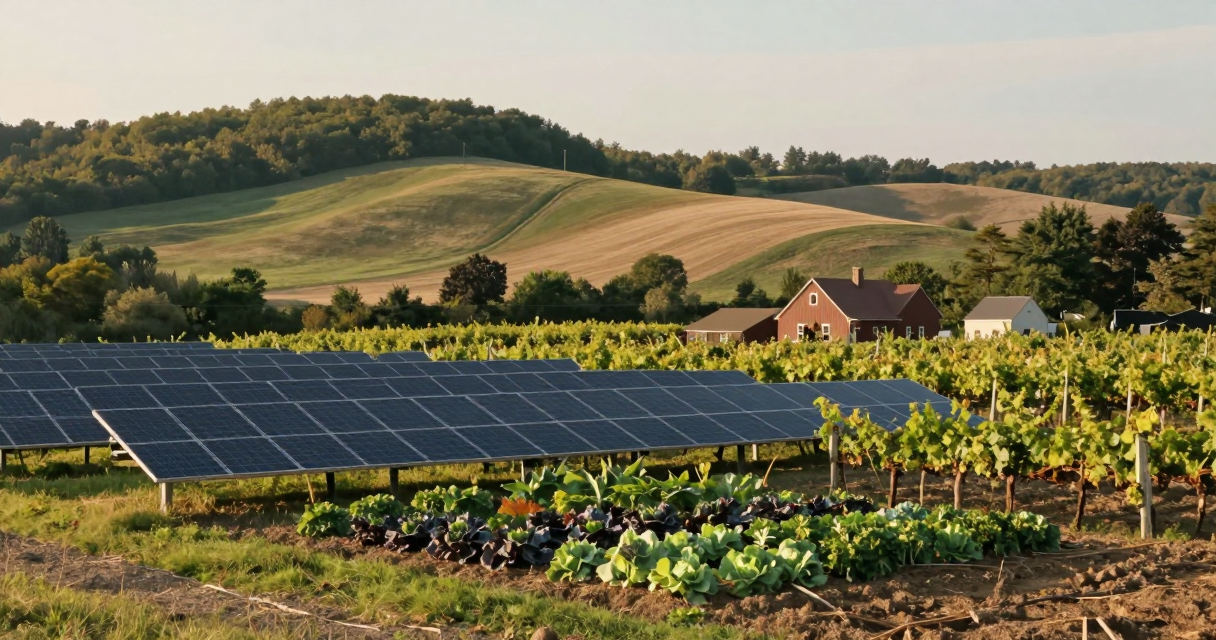
Conservation initiatives also intersect with tourism, as many protected areas partner with local businesses to promote responsible visitation. For example, the Niagara Escarpment UNESCO World Heritage Site collaborates with nearby wineries to implement shuttle services that reduce traffic congestion and emissions. Visitors who choose to stay in energy‑efficient cottages or participate in low‑impact activities such as guided nature walks contribute directly to the preservation of the region’s natural assets. This alignment of tourism and sustainability ensures that the countryside remains vibrant for future generations.
Planning Your Rural Getaway: Practical Tips and Resources
Effective planning begins with selecting the right season for your interests. Summer offers the fullest slate of festivals, open‑air markets, and water activities, while autumn provides spectacular foliage, harvest celebrations, and cooler temperatures ideal for hiking. Spring presents a burst of wildflowers and early‑season fruit picking, whereas winter opens opportunities for snowshoeing, ice fishing, and cozy cottage stays. Checking local event calendars and weather forecasts helps travelers align their itinerary with the experiences they value most.
Resources such as the Ontario Tourism website and regional visitor centres provide maps, accommodation listings, and discount packages that streamline trip planning. Many farms and wineries offer online booking systems, allowing visitors to reserve tastings, tours, or farm‑stay rooms well in advance. Additionally, subscribing to newsletters from local chambers of commerce can alert travelers to pop‑up events, special promotions, and limited‑time experiences that might otherwise be missed. By leveraging these tools, visitors can craft a personalized rural adventure that captures the essence of Southern Ontario’s countryside.

I have spent years uncovering the hidden gems and scenic routes across Southern Ontario, from the vineyards of Niagara to the rugged trails of the Bruce Peninsula. My weekends are dedicated to road trips and finding the perfect local diner or cabin stay. I love sharing the diverse beauty and relaxation opportunities found right here in the region.